
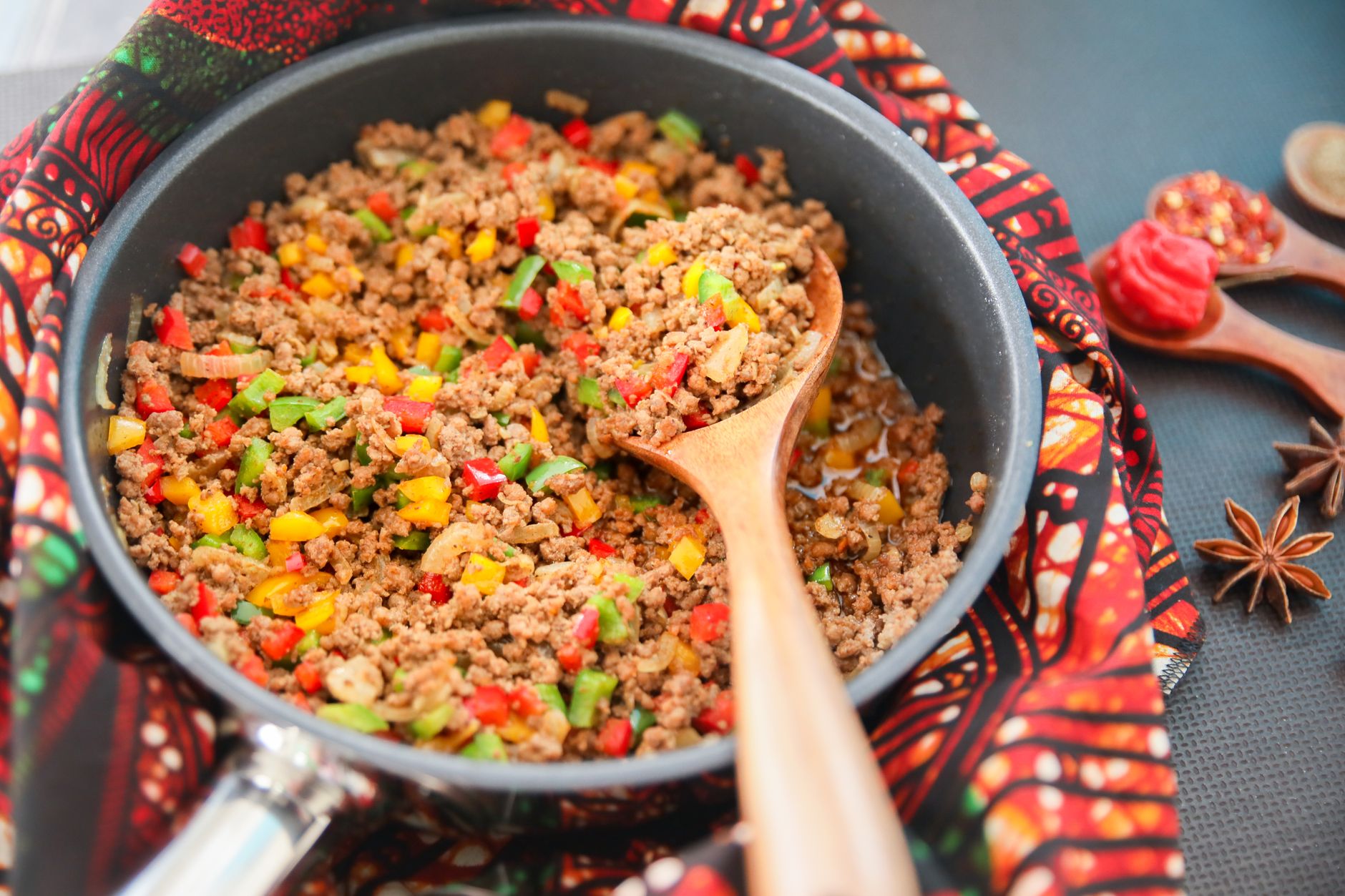
Ground beef is a versatile ingredient commonly used in various dishes like tacos, burgers, and meat sauces. The flavor of ground beef can be greatly enhanced with the right seasonings, elevating your meal from average to exceptional. In this guide, we’ll explore various seasoning options, methods, and timing to help you achieve perfectly flavored ground beef every time.
Understanding how and when to season your ground beef can make a significant difference in your cooking. From classic combinations to creative seasoning blends, you’ll discover techniques that complement the natural flavors of the beef while catering to different culinary styles and preferences.
What Do You Season Ground Beef With?
To season ground beef effectively, consider a blend of herbs, spices, and other flavor enhancers. Common ingredients include salt, pepper, garlic powder, onion powder, and paprika. Additionally, consider using fresh herbs, sauces, or marinades for added depth. Different dishes may call for different seasoning profiles, so tailor the flavors according to your recipe.
Basic Seasoning Ingredients
When seasoning ground beef, the following ingredients form the core of most flavoring blends:
- Salt: Essential for enhancing all flavors, typically used at 1 teaspoon per pound of meat.
- Pepper: Freshly ground black pepper adds heat and depth; use about 1/2 teaspoon for each pound of ground beef.
- Garlic Powder: Adds a savory, aromatic quality. About 1/2 teaspoon per pound is usually enough.
- Onion Powder: Provides sweetness and complexity. Use 1/2 teaspoon per pound.
- Paprika: For a mild smokiness and color, use 1 teaspoon for every pound of beef.
- Cumin: Particularly good for tacos or chili, provide earthy notes. Use 1/2 teaspoon per pound.
- Dried Oregano: Adds a fresh herbal taste, commonly used in Italian and Mexican cuisine. About 1/2 teaspoon is recommended.
- Chili Powder: Essential for spicy dishes; start with 1 teaspoon and adjust to taste.
- Fresh Herbs: Cilantro, parsley, or thyme can be chopped and mixed in for a brighter flavor.
Creative Seasoning Blends
For a more distinctive flavor profile, you can explore different seasoning blends that can be used with ground beef:
- Italian Blend: Combine 1 teaspoon each of dried basil, oregano, garlic powder, and onion powder for Italian-inspired dishes.
- Tex-Mex Blend: Mix 1 teaspoon each of cumin, chili powder, garlic powder, and onion powder to add a southwestern kick for tacos or chili.
- Asian Blend: Incorporate 1 teaspoon of ginger, 1 tablespoon of soy sauce, and a sprinkle of sesame oil for a stir-fry or Asian meatballs.
- Cajun Seasoning: Use 1 teaspoon of paprika, cayenne pepper, garlic powder, and thyme for a zesty Southern twist.
- BBQ Rub: Combine brown sugar, smoked paprika, salt, pepper, onion powder, and cumin for a sweet and smoky flavor.
Fresh Ingredients to Enhance Flavor
Apart from dry seasonings, incorporating fresh ingredients can bring out the best in your ground beef.
- Garlic: Fresh minced garlic can be sautéed with the beef for an aromatic wave. Use 1-2 cloves per pound.
- Onions: Sautéed onions not only add flavor but also texture; use 1 small onion for every pound of beef.
- Peppers: Bell peppers or hot peppers can be chopped and mixed in for added color and flavor.
- Dijon Mustard or Worcestershire Sauce: These can be added for moisture and a tangy depth to your meat. Use a tablespoon per pound.
The Best Methods for Seasoning Ground Beef
The timing and method of seasoning can greatly affect the overall flavor. Here are the common techniques:
Mixing Seasonings Before Cooking
- In a bowl, combine all seasonings. The essential ones should be mixed consistently with any optional herbs or spices.
- Thoroughly mix the seasonings with the ground beef until well incorporated. Ensure even distribution for consistent flavor.
- Let the mixture sit for at least 15 minutes to meld the flavors before cooking.
Incorporating Seasonings During Cooking
- Preheat your pan over medium heat. If using fat (like oil or butter), add it before the beef.
- Once the beef is added, start breaking it apart gently without giving it time to steam.
- Sprinkle your seasoning mix over the beef and continue to break it apart. This not only helps evenly distribute flavors but allows the meat to absorb the seasonings.
- Cook until browned, stirring frequently to avoid burning.
Timing Your Seasoning
Timing is crucial when it comes to maximizing flavor in ground beef.
Before Cooking
By seasoning ground beef before cooking, you allow the flavors to permeate the meat, resulting in a deeper taste. Allow the seasoned meat to rest for 15 to 30 minutes at room temperature for optimal results.
During Cooking
Adding seasonings midway through cooking ensures that the flavors remain prominent and bright. This is particularly effective with fresh herbs, garlic, and onion, as they release aromatic compounds when cooked.
After Cooking
You can also sprinkle additional seasoning at the end, especially if you’re looking to enhance flavors further. Fresh herbs or a dash of salt can make a surprising difference at serving time.
Common Mistakes and Troubleshooting
Even experienced cooks can face seasoning challenges. Here are common mistakes and solutions:
- Too Much Salt: If your beef is over-salted, balance it by mixing in plain bread crumbs or serving it with low-salt sides.
- Flat Flavor: You might be missing acidity. A splash of lemon juice or vinegar can brighten the dish.
- Bland Beef: If the seasoning is not visible or detectable, it might not have been mixed thoroughly or added enough time before cooking to meld.
- Burnt Seasonings: If your garlic or spices seem burnt, try to lower the heat and add later in the cooking process.
Serving Suggestions for Seasoned Ground Beef
Once you’ve successfully seasoned your ground beef, it’s time to serve it. Here are a few ideas:
- Tacos: Load seasoned beef into taco shells and top with diced tomatoes, shredded lettuce, cheese, and avocado.
- Spaghetti and Meatballs: Use seasoned ground beef mixed with breadcrumbs to create meatballs for pasta dishes.
- Stuffed Peppers: Mix seasoned ground beef with rice and vegetables, stuff into bell peppers, and bake until tender.
- Chili: Combine seasoned beef with beans, tomatoes, and spices for a hearty chili meal.
- Burgers: Shape seasoned beef into patties and grill or pan-fry; serve with your favorite toppings.
Make-Ahead and Meal Prep Tips
Seasoned ground beef can be a great component for meal prep. Here’s how to store and reheat it:
Make-Ahead
Season and cook ground beef in advance, let it cool, then store in an airtight container. It can stay fresh in the fridge for up to 3 days.
Freezing
Freeze cooked, seasoned ground beef in freezer-safe bags for up to three months. Thaw overnight in the refrigerator before reheating.
Reheating
Reheat on the stove over medium heat, stirring frequently until heated through. You can add a splash of beef broth to maintain moisture and flavor.
Variations for Seasonal and Dietary Preferences
Adapting seasonings to cater to various dietary preferences can be simple. Here are a few suggestions:
- Low-Sodium: Choose fresh herbs, lemon juice, or vinegar instead of salt-heavy seasonings.
- Gluten-Free: Most seasonings are gluten-free, just confirm it if using packaged mixes.
- Vegan Alternatives: Substitute with plant-based ground meat and replicate seasonings to infuse similar flavors.
- Spicy: Enhance with crushed red pepper or fresh jalapeños for heat; adjust to preference.
Seasoning Ground Beef by Regional Cuisine
Seasoning preferences can vary dramatically based on specific regional cuisine. Here’s how to adapt ground beef flavor profiles to different culinary traditions:
- Mexican: Use chili powder, cumin, garlic, and lime juice for tacos or enchiladas.
- Italian: Incorporate oregano, basil, garlic, and parmesan for meat sauces or meatballs.
- Asian: Use soy sauce, ginger, garlic, and scallions for stir-fries or dumplings.
- Middle Eastern: Season with cumin, coriander, allspice, and mint for kebabs or shawarma.
Ultimately, the secret to enhancing ground beef lies in understanding the key seasonings and how they work together to create balanced flavors. Experiment with different blends and adjust based on your dish preferences.
For more delicious recipes, check out this Mongolian Ground Beef Recipe and learn to make a comforting Cheeseburger Macaroni Recipe.