
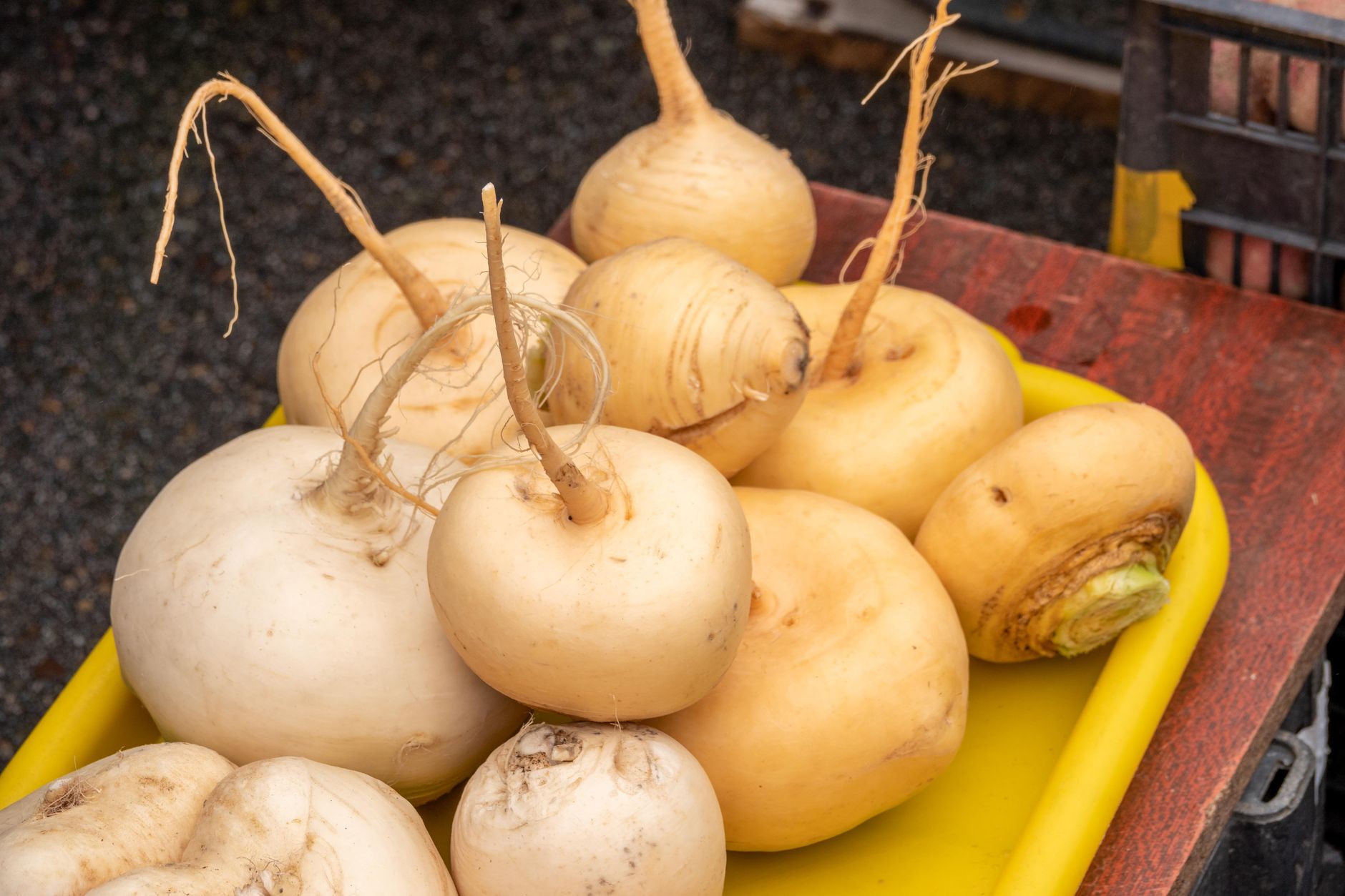
Turnips are an often-overlooked root vegetable that can add a unique flavor and versatility to various dishes. With culinary roots that trace back centuries, these hardy vegetables possess a distinct taste that can star in many meals. Understanding what turnips taste like, their texture, and how to pair them can elevate your cooking game and aid in meal planning.
This article will explore turnips by examining their flavor profile, texture, best culinary uses, and popular pairings. We will also talk about how to select, prepare, and cook turnips in various ways that will suit a range of dietary preferences.
What Do Turnips Taste Like?
Turnips have a slightly sweet, peppery flavor that can range from mild to more pronounced depending on their maturity. Younger turnips are often tender with a more delicate taste, while older ones can be stronger and somewhat bitter. The crunchiness of turnips contributes to the experience, making them a unique addition to meals.
Flavor Profile of Turnips
The flavor of turnips is complex, featuring a blend of earthiness and a hint of spiciness. This duality allows them to be paired with both sweet and savory dishes. Fresh turnips can sometimes exhibit a subtle sweetness, especially when roasted, while their peels can add a more robust flavor if left unpeeled.
Sweet vs. Bitter
As mentioned, younger turnips tend to taste sweeter and are less bitter. When they reach full maturity, the bitterness can become more pronounced. This bitterness varies by variety, with some, like the Purple Top White Globe, being particularly mild and sweet, while others, like the Black Spanish, can deliver a stronger peppery flavor.
Unique Varieties of Turnips
- White Turnip: Mild and sweet, this is the most common variety found in grocery stores.
- Purple Top White Globe: Known for its tender flesh and balanced flavor.
- Tokyo Turnip: Smaller and more delicately flavored, great for salads and eating raw.
- Black Spanish: A hearty variety with a distinctly sharp, peppery taste.
Texture of Turnips
Turnips have a unique texture that varies based on cooking methods and age. When raw, they are crunchy and crisp, akin to radishes or jicama. This texture makes them a refreshing addition to salads or slaws. When cooked, they become tender yet retain a slight firmness, which can add a pleasant mouthfeel to soups, stews, and roasted dishes.
Raw vs. Cooked Texture
Raw turnips are crisp and crunchy, lending a great bite to dishes. However, when cooked, they soften significantly while maintaining a slight firmness. This quality allows them to be pureed, roasted, or included in stir-fries without becoming completely mushy.
Culinary Uses of Turnips
Turnips are a versatile ingredient that can be used in a variety of cooking methods. They can be roasted, boiled, steamed, mashed, or even consumed raw. Their adaptability means that they can fit seamlessly into many types of cuisines and dishes.
Raw Applications
When used raw, turnips can be cut into sticks, chips, or grated into salads. Their crunchy texture and slightly sweet flavor make them a great addition to fresh vegetable platters or salad mixes.
Cooked Applications
- Roasted: Roasting turnips caramelizes their natural sugars, enhancing their sweetness. Season with olive oil, salt, and pepper for a simple yet delicious side dish.
- Mashed: Turnips can be mashed like potatoes. Boil them until tender, then mash with butter and cream for a delectable side dish.
- Soups and Stews: Chopped turnips add depth to soups and stews, offering both nutrition and flavor. They can replace potato or be included alongside other root vegetables.
- Stir-fried: In stir-fries, turnips will absorb flavors from sauces and spices while maintaining a slight crunch.
- Pickled: Pickling turnips is also quite popular, especially in Asian cuisine. The pickling process enhances their flavor and gives them a delightful tang.
Pairing Turnips with Other Ingredients
Understanding how to pair turnips effectively with other ingredients is key to enhancing their flavor and broadening their culinary applications. Here are some common flavor pairings.
Herbs and Spices
- Thyme: The earthy notes of thyme complement the sweetness of turnips.
- Rosemary: This herb’s robust flavor works well with roasted turnips.
- Cumin: Adds a warm, nutty flavor when used in spices mixtures with turnips.
- Garlic: Imparts a strong flavor that can balance the sweetness of turnips.
Fruits and Vegetables
- Carrots: Their sweetness and texture work well with turnips in both raw salads and cooked dishes.
- Onions: Sautéed onions bring out the sweetness in turnips, creating a flavorful base in various dishes.
- Apples: The sweetness and acidity of apples contrast nicely with the earthiness of turnips, especially in salads.
- Leeks: Their mild flavor provides a perfect complement to the taste of turnips in soups or gratins.
Proteins
- Pork: Turnips pair wonderfully with pork chops or roasted pork, as their flavors balance each other.
- Chicken: Roasted chicken with turnips makes for a wholesome, hearty meal.
- Beef: Turnips served alongside beef stew or pot roast can enrich the dish.
Cheeses
- Feta: Crumbled feta cheese adds a salty kick that complements the sweetness of turnips, especially in salads.
- Parmesan: A sprinkle of grated Parmesan can elevate roasted turnips with a savory note.
- Goat Cheese: Creamy and tangy, goat cheese works well with mashed turnips, enhancing both flavor and texture.
Selecting and Preparing Turnips
Choosing the right turnips and preparing them correctly can impact the final dish significantly. Here is a guide on selecting fresh turnips and prepping them for cooking.
How to Select Fresh Turnips
- Look for firm and smooth skinned turnips with no softness, blemishes, or spots.
- The size of turnips can vary; smaller turnips are often sweeter, while larger turnips can be more bitter.
- Avoid turnips that feel hollow or have dried-out tops; these can indicate age and lack of freshness.
Preparing Turnips for Cooking
- Wash turnips thoroughly under running water to remove any dirt.
- Peel the skin if desired; however, keeping it on can enhance the flavor and nutrients.
- Cut off the tops and roots before preparing turnips to ensure even cooking.
- Chop them into slices, dice them, or leave them whole based on your recipe’s requirements.
Cooking Techniques for Turnips
Different cooking methods can emphasize or transform the flavors of turnips. Here are some of the most popular techniques that you can use in your kitchen.
Boiling Turnips
To boil turnips, first, chop them into uniform pieces so they cook evenly. Place them in a pot of salted water, ensuring they’re covered. Cook for about 15-20 minutes until tender. They can then be mashed or pureed for other recipes.
Roasting Turnips
Roasting brings out the natural sugars in turnips. Preheat the oven to 400°F (200°C), cut turnips into cubes, toss with olive oil, salt, and pepper, and roast on a baking sheet for 25-30 minutes. Turn occasionally for even browning.
Steaming Turnips
Steaming is a quick method to retain nutrients while cooking. Place turnips in a steamer basket over boiling water, cover, and steam for about 10-15 minutes until tender.
Grilling Turnips
Grilling thin slices of turnips adds a smoky flavor. Brush the slices with olive oil and grill over medium heat for about 5-7 minutes on each side until they are tender and have grill marks.
Storing Turnips
Properly storing turnips can extend their shelf life and help maintain their quality. Here are some tips for storage:
- Unwashed turnips can be kept in a cool, dark place, or in the refrigerator for up to two weeks.
- Once washed and cut, they should be stored in an airtight container in the fridge and used within a few days.
- Cooked turnips can be refrigerated for 3-5 days. Ensure they are stored in a sealed container to avoid drying out.
Common Mistakes When Cooking Turnips
Here are some common pitfalls to avoid when cooking turnips to ensure the best flavor and texture.
- Overcooking is the most common mistake; it can lead to mushy texture and loss of flavor. Always check for doneness regularly.
- Not seasoning adequately can leave turnips bland. Use herbs, spices, and seasonings to enhance their natural flavor.
- Peeling when unnecessary can strip away some of the nutritional benefits and additional flavor.
- Buying larger turnips without realizing they can be more bitter. Always taste a smaller sample first if unsure.
Adaptable Turnip Recipes
Incorporating turnips into your meals can be both easy and delicious. Here are a few adaptable tips on how to integrate them into your favorite recipes.
- In salads, try shredding or slicing raw turnips for added crunch. Pair with nuts, cheese, and a tangy dressing.
- In soups, add diced turnips during the cooking process to let their flavor meld with other ingredients.
- Create a turnip mash as a substitute for mashed potatoes by blending boiled turnips with butter and cream.
- Roast alongside other root vegetables for a hearty side dish, enhancing overall flavor.
In summary, understanding the flavor and texture of turnips can open up a world of culinary possibilities. Whether you’re looking to switch up your meals with a new vegetable or incorporate more nutritious options into your diet, turnips are a fantastic choice. Explore their unique taste, experiment with pairings, and utilize diverse cooking methods to enjoy this versatile root vegetable.
For more delicious ideas, consider checking out our guides on cooking techniques or exploring other versatile ingredients to enhance your dishes.