
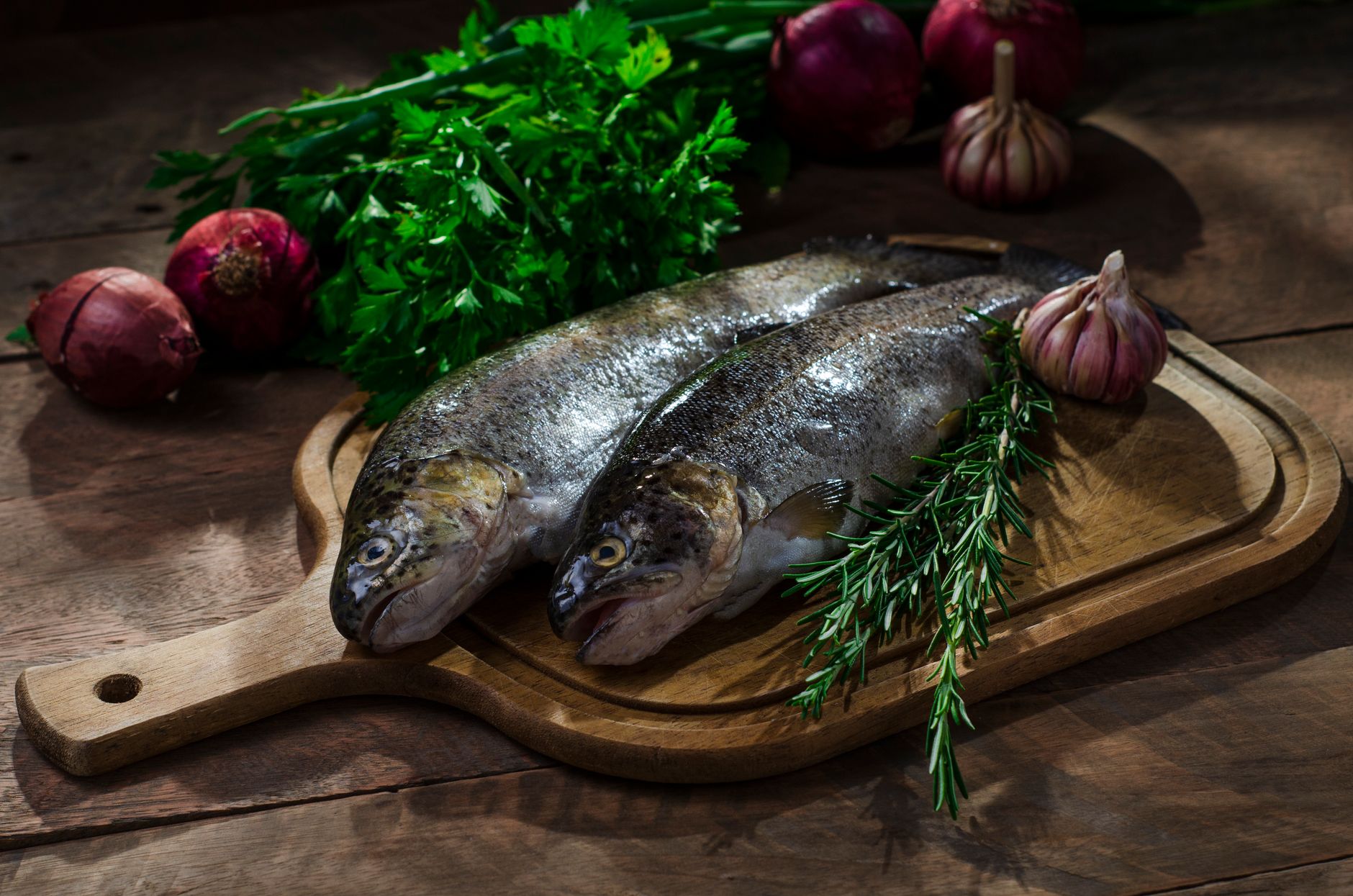
Understanding what trout like to eat can enhance both fishing success and culinary enjoyment. Trout are opportunistic feeders, meaning they consume a wide variety of foods depending on their environment and the season. By delving into their diet, anglers can better strategize their fishing approach while home cooks can prepare delicious trout dishes that highlight their unique flavors.
In this article, we will explore the food preferences of trout, how these choices affect their taste and texture, and ways to incorporate them into your cooking. We will also cover practical tips for selecting, preparing, and cooking trout, ensuring you make the most of this versatile fish.
What Do Trout Like to Eat?
Trout primarily feed on insects, smaller fish, crustaceans, and other aquatic creatures. Their diet varies based on their age, habitat, and the availability of food sources. Generally, young trout consume more insects and zooplankton, while adults tend to eat larger prey such as minnows and smaller fish. Understanding their feeding habits can provide insights into how to catch them and how to cook them for the best flavor.
The Diet of Trout: Key Components
- Insects: Adult trout mostly eat insects such as mayflies, caddisflies, and stoneflies. These are often found near the water’s surface and are an essential part of the trout’s diet.
- Small Fish: As trout grow, they begin to consume small fish like minnows and juvenile trout. This shift in diet enhances their flavor and texture, as they gain a richer taste from the various nutrients in their prey.
- Crawfish: In waters where crawfish are abundant, trout will also eat these crustaceans. They are especially favored during the warmer months.
- Zooplankton: Young trout feed on zooplankton, which are tiny aquatic organisms. This is a crucial food source for trout in their early developmental stages.
- Plant Matter: Although less common, trout will occasionally eat algae and other plant matter when food options are limited.
How Trout’s Diet Affects Flavor and Texture
The flavors and textures of trout are significantly influenced by their diet. Trout that predominantly feed on insects tend to have a milder, more delicate flavor, while those that consume more fish may develop a richer and more pronounced taste. Additionally, the texture can vary based on their diet. A diet high in protein and healthy fats from smaller fish leads to firmer, more succulent flesh.
For example, steelhead trout, which often feed on small fish, have a more pronounced taste compared to rainbow trout, which may primarily eat insects. Understanding these differences can help you select the specific type of trout that matches your culinary preferences.
Types of Trout and Their Culinary Uses
Several types of trout are commonly found in fresh waters, each with its unique flavors and culinary applications. Here are some popular varieties:
1. Rainbow Trout
Rainbow trout have a mild flavor and a delicate, flaky texture. They are versatile and can be prepared in various ways, including grilling, baking, and broiling. Their flesh is often pink or orange, thanks to the foods they consume.
2. Brown Trout
Known for their rich flavor, brown trout have a firmer texture than rainbow trout. They can be smoked or roasted, providing a hearty dish. Their taste is often enhanced when caught from clean rivers where they feed on insects and small fish.
3. Brook Trout
Brook trout are smaller and have a softer texture. They are often pan-fried or grilled whole. Their delicate flavor makes them a great choice for simple preparations that highlight their natural taste.
4. Steelhead Trout
Steelhead, a migratory form of rainbow trout, offers a robust flavor profile due to their diverse diet, which includes more small fish. They are excellent for grilling or smoking, creating rich and flavorful dishes.
How to Choose Fresh Trout
When selecting trout for cooking, freshness is key to ensuring the best flavor and texture. Here are some tips for choosing the best trout:
- Look for fish with clear, bright eyes. Cloudy eyes indicate that the trout is not fresh.
- The skin should be shiny and moist, with no discoloration. Dull or dry skin may suggest age.
- The flesh should spring back when pressed. If it leaves an indentation, it may be past its prime.
- Check for a clean smell. A fresh trout will have a mild, ocean-like scent, while an off smell indicates spoilage.
- If possible, ask your fishmonger when the trout was harvested. Freshly caught trout will always yield the best results in the kitchen.
Preparing Trout for Cooking
Once you have selected your trout, proper preparation is essential for achieving the best taste. Here are steps to prepare trout before cooking:
- Cleaning: If your trout is whole, start by cleaning it. Rinse it under cold water and remove any scales with a fish scaler or the back of a knife.
- Gutting: Make an incision along the belly of the trout and carefully remove the internal organs. Rinse the cavity thoroughly under cold water to ensure no residual blood or guts remain.
- Filleting: If desired, you can fillet the fish. Use a sharp fillet knife to cut along the backbone and work your way down to separate the flesh from the bones.
- Removing Pin Bones: Once filleted, run your fingers along the fillet to locate any pin bones. Use a pair of tweezers to remove them for a better eating experience.
- Marinating (Optional): Consider marinating the trout to enhance its flavor before cooking. Simple marinades of olive oil, lemon juice, herbs, or garlic can elevate the taste.
Cooking Techniques for Trout
Trout can be prepared using various cooking methods, allowing you to tailor the preparation to your preferences. Here are some popular techniques along with their benefits:
1. Grilling
Grilling trout gives it a smoky flavor while enhancing its natural taste. Whole trout can be grilled directly over high heat for approximately 8-10 minutes per side, while fillets require about 4-6 minutes per side. This method accentuates the fish’s delicate texture and flavors.
2. Baking
Baking is another effective technique that retains moisture and brings out the flavor. Preheat your oven to 375°F (190°C), place the trout in a baking dish with your desired seasonings, and bake for 20-25 minutes. Adding lemon slices and herbs can enhance the overall taste.
3. Pan-Frying
Pan-frying trout in butter results in a crispy exterior while keeping the inside tender. Simply coat the fillets in flour, season with salt and pepper, and cook in a preheated skillet. It takes about 4-5 minutes per side to achieve a golden-brown color.
4. Smoking
Smoking trout is a traditional method that yields a deliciously rich flavor. Cold smoking can take several hours, while hot smoking typically takes around 20-30 minutes. Use wood chips like cedar or apple for additional flavor.
5. Poaching
Poaching trout in seasoned water or broth keeps the fish moist and tender. Bring the poaching liquid to a simmer and gently add the trout, cooking for about 10 minutes. This method is great for preparing trout for salads or pasta dishes.
Practical Substitutions and Variations
While trout is delicious as it is, you can experiment with various ingredients to personalize your dish. Here are some common substitutions and cultural variations:
- Lemon: If you don’t have fresh lemon, try lime or vinegar to achieve a similar acidity.
- Herbs: Consider using dill, parsley, or tarragon instead of the traditional thyme or rosemary for a different flavor profile.
- Cooking Fat: Instead of butter, use olive oil or coconut oil for a different richness and flavor.
- Accompaniments: For sides, pair trout with roasted vegetables, rice, or a fresh salad to balance its richness.
Avoiding Common Mistakes
Cooking trout can be straightforward, but common mistakes may lead to undesirable results. Here are tips to avoid pitfalls:
- Avoid overcooking, as trout can become dry. Keep a close eye on cooking times and use a thermometer to reach 145°F (63°C) for doneness.
- Be cautious with seasonings; a simple combination of salt, pepper, and lemon can allow the trout’s natural flavor to shine without overwhelming it.
- When grilling, ensure the grill is well-oiled to avoid sticking.
Serving Suggestions for Trout Dishes
When serving trout, presentation and pairing can enhance the overall dining experience. Consider the following suggestions:
- Garnish with fresh herbs and lemon wedges for a bright presentation.
- Serve with a light and refreshing side salad, such as a cucumber and tomato salad dressed with vinaigrette.
- Pair with white wine or a light beer to complement the fish’s flavors.
- Offer sauces like tartar sauce, garlic butter, or a rosemary-infused olive oil for added richness.
Storing and Reheating Trout
If you have leftover trout, proper storage and reheating are crucial for maintaining its quality.
- Refrigeration: Store cooked trout in an airtight container in the refrigerator, where it can last for up to three days.
- Freezing: If you wish to keep trout for longer, wrap it tightly in plastic wrap and then place it in a freezer bag. It can be frozen for 2-3 months.
- Reheating: When ready to enjoy leftovers, reheat the trout gently in the oven at 350°F (175°C) for 10-15 minutes, or until warmed through to avoid drying it out.
Understanding what trout like to eat and adjusting your culinary approach accordingly can help you appreciate this delightful fish even more. By following these guidelines, you can enhance your fishing adventures and your meals at home. Whether you are grilling, baking, or frying, you can create delicious trout dishes that highlight the wonderful flavors it offers.
For a delicious recipe featuring steelhead trout, check out our steelhead trout recipe. Explore related recipes, cooking tips, or food guides for additional culinary inspiration. Enjoy your journey with trout in the kitchen!