
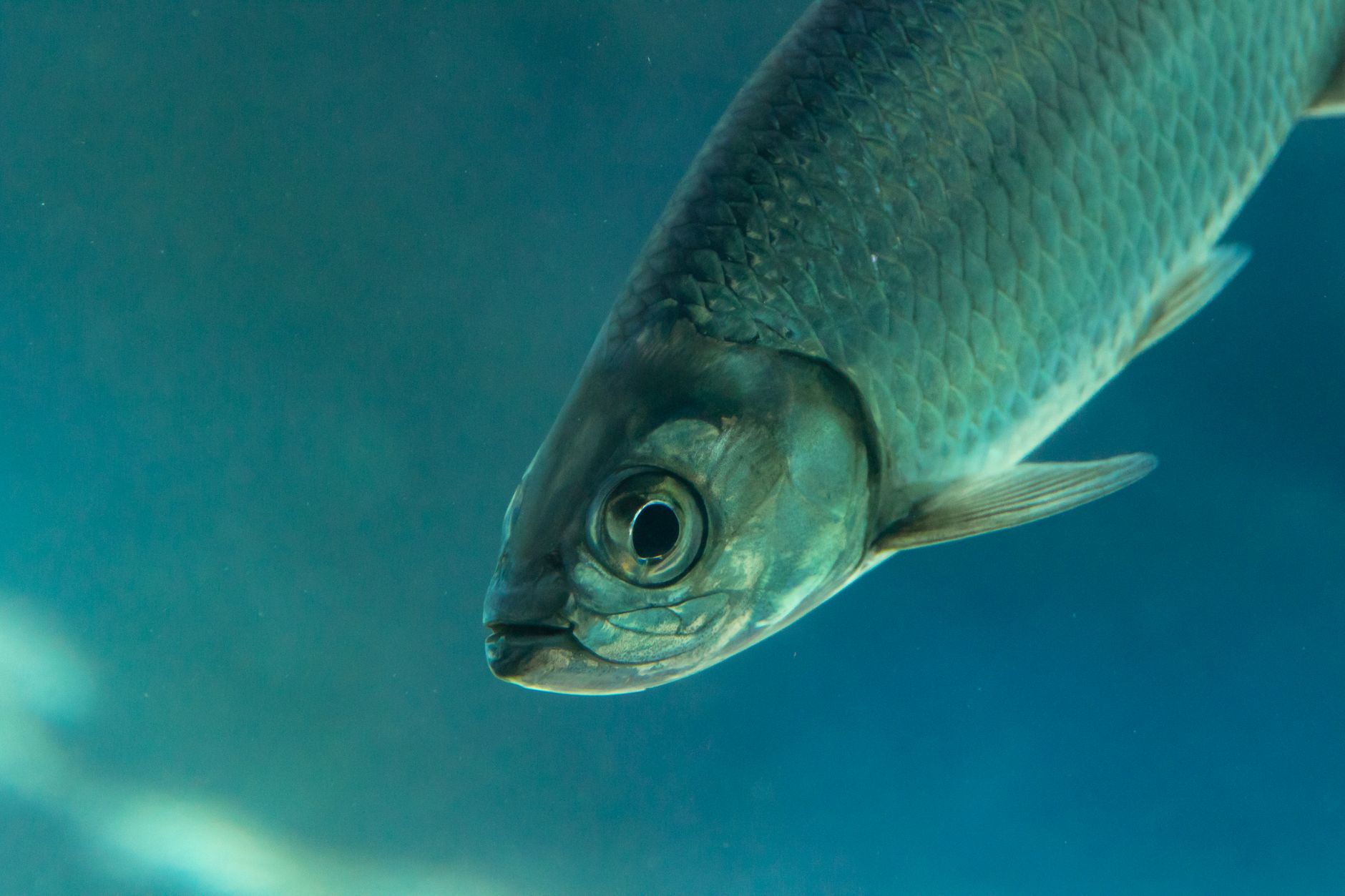
As one of the most sought-after species in sport fishing, tarpon not only entice anglers with their acrobatic behavior but also with their unique flavor. Understanding what tarpon eat can provide insight into their flavor profile and how best to prepare them. This article delves into the natural diet of tarpon and presents tips on how to serve this magnificent fish.
Tarpon are large, powerful fish that inhabit coastal waters. Their diet varies based on their life stage and habitat but mainly consists of crustaceans and small fish. Exploring the nuances of tarpon’s diet reveals much about their culinary potential.
What Do Tarpon Eat?
Tarpon predominantly feast on small fish, crustaceans, and occasionally jellyfish. Their diet includes species such as menhaden, mullet, shrimp, and various types of crabs. Understanding these eating habits helps in both fishing practices and culinary preparation, as it enhances flavor while cooking.
The Diet of Tarpon: Composition and Sources
Knowing what tarpon eat provides knowledge on their taste and texture. When considering tarpon for culinary purposes, the freshness and type of bait they consume play a significant role in flavor development.
1. Fish
Small fish form the bulk of a tarpon’s diet. Common fish consumed by tarpon include:
- Mullet: Known for their high oil content, they impart a rich flavor to tarpon.
- Menhaden: Another oily fish that contributes to the flavor complexity.
- Herring: A smaller fish that serves as a primary food source for younger tarpon.
2. Crustaceans
Tarpon also indulge in crustaceans. They exhibit a preference for:
- Shrimp: Wild shrimp enhance the sweet flavor profile of the tarpon’s flesh.
- Crabs: Blue crabs or fiddler crabs add distinct flavors and textures.
3. Other Organisms
In addition to fish and crustaceans, tarpon may consume:
- Jellyfish: Though not a staple, jellyfish can occasionally be part of their diet.
- Plankton: Especially in their juvenile stages, small tarpon may eat plankton as a primary food source.
Understanding Tarpon Flesh
The diet of tarpon contributes significantly to the quality of their flesh. Tarpon are known for a rich, oily texture due to their natural food sources, which can do wonders for taste when cooked properly.
Flavor Profile
Tarpon has a distinctive flavor, often described as slightly sweet and firm. The flesh possesses a medium-fat content, rendering it versatile for various culinary techniques. Those who appreciate a richer fish flavor will find tarpon appealing.
Texture
The texture of tarpon is firm and meaty, making it an excellent choice for grilling, broiling, or even frying. The fish can hold up well against various cooking methods, which is a significant advantage when preparing meals.
Cooking Tarpon: Preparation and Methods
Now that we understand what tarpon eat and its flavor profile, it is essential to know how to cook this fish to highlight its best qualities. Here are various methods and practical tips:
1. Grilling Tarpon
Grilling is a popular technique that brings out the tarpon’s natural richness. To properly grill tarpon:
- Ensure the grill is clean, preheated, and oiled to prevent sticking.
- Season the fish with salt, pepper, and citrus for enhanced flavor.
- Cook over medium heat for 8 to 10 minutes per side, depending on the thickness, until the flesh is opaque and flakes easily.
2. Baking Tarpon
Baking is another suitable method that retains moisture while making use of delicious toppings.
- Preheat the oven to 375°F (190°C).
- Place the fish in a baking dish, add desired herbs, lemon, and a splash of white wine.
- Bake for 20 to 25 minutes or until the internal temperature reaches 145°F (63°C).
3. Pan-Seared Tarpon
Pan-searing brings out a crispy skin, while the interior remains juicy.
- Heat oil in a skillet over medium-high heat.
- Season the fish and place it skin-side down in the skillet.
- Cook for about 4 to 5 minutes on each side until golden brown and cooked through.
Serving Suggestions for Tarpon
Once you have prepared tarpon, consider these serving suggestions to complement its rich flavor:
1. Citrus Accompaniments
The fresh taste of citrus, such as lemon or lime, enhances the flavor of tarpon. A squeeze of fresh juice over the top just before serving can elevate the dish’s overall profile.
2. Herb-infused Butter
A dollop of herb-infused butter can add richness. Combining unsalted butter with fresh herbs such as dill or parsley works well.
3. Side Dishes
Pair tarpon with light side dishes like:
- Herbed quinoa or rice,
- Grilled vegetables,
- Or a fresh green salad.
Common Mistakes When Cooking Tarpon
Like any fish, cooking tarpon requires attention to detail. Here are some common mistakes to avoid:
1. Overcooking
Tarpon flesh can become dry if overcooked. Monitor cooking time and temperature closely.
2. Inadequate Seasoning
Due to its rich flavor, insufficient seasoning can lead to a bland dish. Don’t shy away from salt, pepper, and fresh herbs.
3. Skipping Marinades
Marinating the fish can enhance the flavors significantly. A simple citrus-based marinade can add depth.
Storing and Reheating Tarpon
Proper storage and reheating are essential for maintaining the quality of cooked tarpon. Follow these guidelines:
1. Storage
$If you have leftover cooked tarpon, it can be stored in an airtight container for up to 3 days in the refrigerator. It’s better to consume it fresh, so try to limit your leftovers.
2. Reheating
To maintain moisture when reheating:
- Preheat your oven to 350°F (175°C) and place the fish in a covered dish.
- Heat for 10-15 minutes until warmed through.
Exploring Tarpon Beyond the Kitchen
For those interested in the broader aspects of tarpon, from their ecological importance to sport fishing regulations, understanding their lifecycle is crucial. Tarpon are migratory fish, and fishing regulations often protect their breeding areas to ensure population sustainability.
Fishing Regulations
Many regions have specific regulations regarding tarpon fishing, including catch-and-release practices. Always consult local guidelines to ensure sustainable practices and protect these magnificent creatures.
Conclusion
Understanding what tarpon eat provides context for appreciating its culinary versatility and rich flavor. Exploring various cooking methods and serving suggestions can enhance your dining experience. By respecting the fish’s ecological role, you can enjoy tarpon while contributing to conservation efforts.
For those eager to explore more about cooking techniques and recipes, consider looking at grilling fish recipes, herb marinades, or light side dishes. Each of these topics can further enhance your culinary skills and appreciation for diverse seafood dishes.