
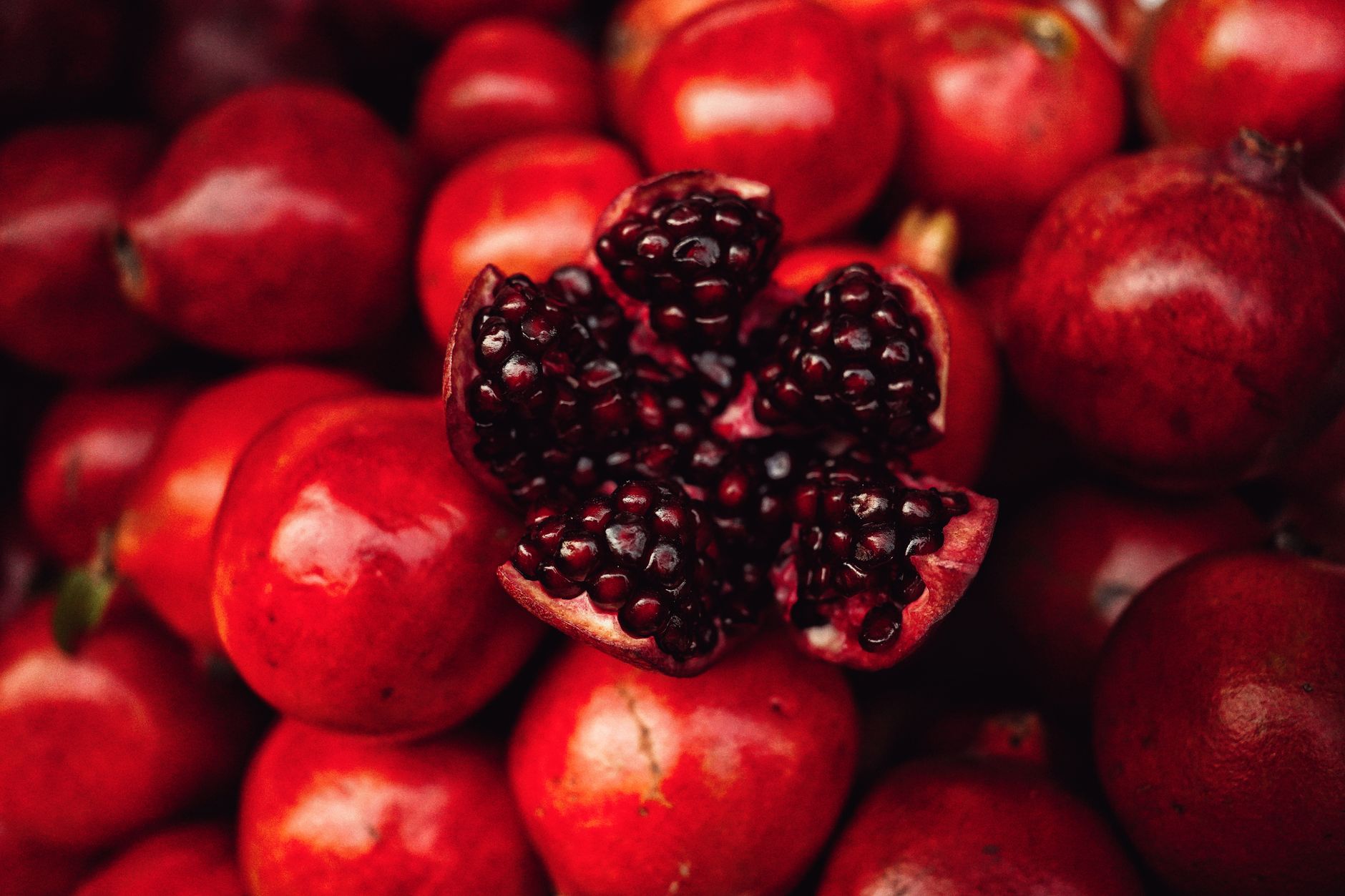
Pomegranates are a unique and intriguing fruit, prized not only for their vibrant color but also for their rich flavor profile and health benefits. Understanding what pomegranates taste like can enhance your culinary explorations and expand your use of this versatile ingredient.
When you bite into the juicy arils of a pomegranate, you experience a mix of tartness and sweetness, with a refreshing crunch. This article will delve into the flavor, texture, various uses, and health benefits of pomegranates, offering practical advice and insights for home cooks.
What Do Pomegranates Taste Like?
Pomegranates are known for their unique flavor—a balance between sweet and tart. Each aril bursts with a juice that provides a bright, refreshing sensation. The sweetness can vary based on the variety and ripeness of the fruit, but generally, it’s accompanied by a tangy undertone that gives depth to the flavor profile. The overall experience is often described as pleasantly tart, somewhat reminiscent of cranberries or cherries, but with a distinctive character.
The texture of pomegranate seeds (arils) is another delightful aspect. When you bite into them, they have a satisfying crunch that is complemented by the juicy interior. This texture adds an exciting element to various dishes, from salads to desserts.
Understanding Pomegranate Varieties
Different pomegranate varieties can exhibit variations in taste and sweetness. Here are some popular types:
- Wonderful: The most common variety, known for its bright red color and balanced sweet-tart flavor.
- Angel Red: Noted for its sweetness, this variety has fewer tart notes compared to others.
- Parfianka: A prized variety from Central Asia that is sweet with a juicy, rich flavor.
- Sweet:** This variety is primarily sweet, with minimal tartness, making it a favorite for fresh eating.
How Pomegranates Are Used in Cooking
Pomegranates are incredibly versatile and can be used in several culinary applications.
Fresh Consumption
You can enjoy pomegranate arils on their own as a refreshing snack or include them in fruit salads for a burst of color and flavor. Their natural sweetness makes them a great topping for yogurt, oatmeal, or breakfast bowls.
Salads
Pomegranate seeds add a delightful pop to salads, contributing both flavor and visual appeal. They pair well with greens like arugula, spinach, or mixed salad greens, and work beautifully alongside ingredients like feta cheese, nuts, and citrus.
Cooking and Baking
Though often enjoyed fresh, pomegranates can also be incorporated into various cooked dishes. Pomegranate juice is a popular ingredient in marinades and reductions, adding depth to meats and glazes for roasted vegetables. Additionally, pomegranate molasses, a thick syrup made from reduced juice, imparts a sweet and tangy flavor to dressings and sauces.
Desserts and Drinks
Pomegranate seeds can be sprinkled onto cakes, tarts, and pastries for added texture and flavor. In drinks, pomegranate juice can be enjoyed as a refreshing beverage or used in cocktails, providing a vibrant color and unique flavor profile.
Nutrition and Health Benefits
Pomegranates are not just delicious but also packed with nutrients and health benefits. They are rich in antioxidants, vitamins, and minerals, making them a great addition to a balanced diet. Research has indicated that pomegranates may help improve heart health, reduce inflammation, and provide protection against certain types of cancer.
Consuming pomegranate juice has also been linked to improved memory and cognitive function, making it a great fruit to incorporate into your diet for both taste and potential health benefits.
How to Select and Store Pomegranates
When selecting pomegranates, look for the following characteristics:
- Bright, vibrant skin color, typically deep red.
- A weighty feel—in general, heavier fruit indicates juiciness.
- Firm skin without blemishes or soft spots.
To store pomegranates, keep them in a cool, dry place, preferably in the refrigerator. Whole pomegranates can last for a few weeks when stored properly. However, once opened, the arils should be consumed within a week for the best flavor and texture.
Common Mistakes When Using Pomegranates
While incorporating pomegranates into your cooking can enhance your dishes, there are several common mistakes to avoid:
- Overlooking seed extraction: Many find it challenging to remove the seeds without making a mess. A simple technique involves cutting the pomegranate in half and gently tapping the back with a spoon to dislodge the arils.
- Ignoring ripeness: Choosing an under-ripe pomegranate can lead to a lack of flavor. Make sure you select ripe fruit for the best taste.
- Not using the juice: Pomegranate juice is a fantastic ingredient on its own and can elevate various dishes when used as a marinade or salad dressing.
Practical Tips for Using Pomegranates in Your Cooking
To make the most of pomegranates in your culinary adventures, follow these practical tips:
- Experiment with pomegranate molasses for an easy, flavorful glaze on meats or vegetables.
- Add pomegranate seeds to smoothies for a refreshing twist and added nutrients.
- Combine pomegranate juice with sparkling water for a festive, non-alcoholic drink.
- Use arils as a garnish for soups to add a pop of color and refreshing flavor contrast.
Pomegranate Substitutions
While pomegranates are unique, you may find you need substitutes in your recipes. Here are some alternatives along with their flavor descriptions:
- Cranberries: Offer a similar tartness, especially when used in sauces, though they can be slightly more bitter.
- Raspberries: Provide a sweet-tart flavor, although they lack the crunch of pomegranate seeds.
- Cherries: When using cherry juice, the flavor can replicate some aspects of pomegranate juice; however, the sweetness may vary.
Conclusion
Pomegranates are a flavorful, versatile fruit that can elevate many dishes. Their balanced taste, unique texture, and vibrant color make them a delightful addition to both savory and sweet culinary endeavors. By understanding their flavor profile, uses, and nutritional benefits, you are now equipped to incorporate this delightful fruit into your cooking.
For more insights on food, explore what pomegranate juice can do for you or discover the taste of saffron for even more culinary inspiration.