
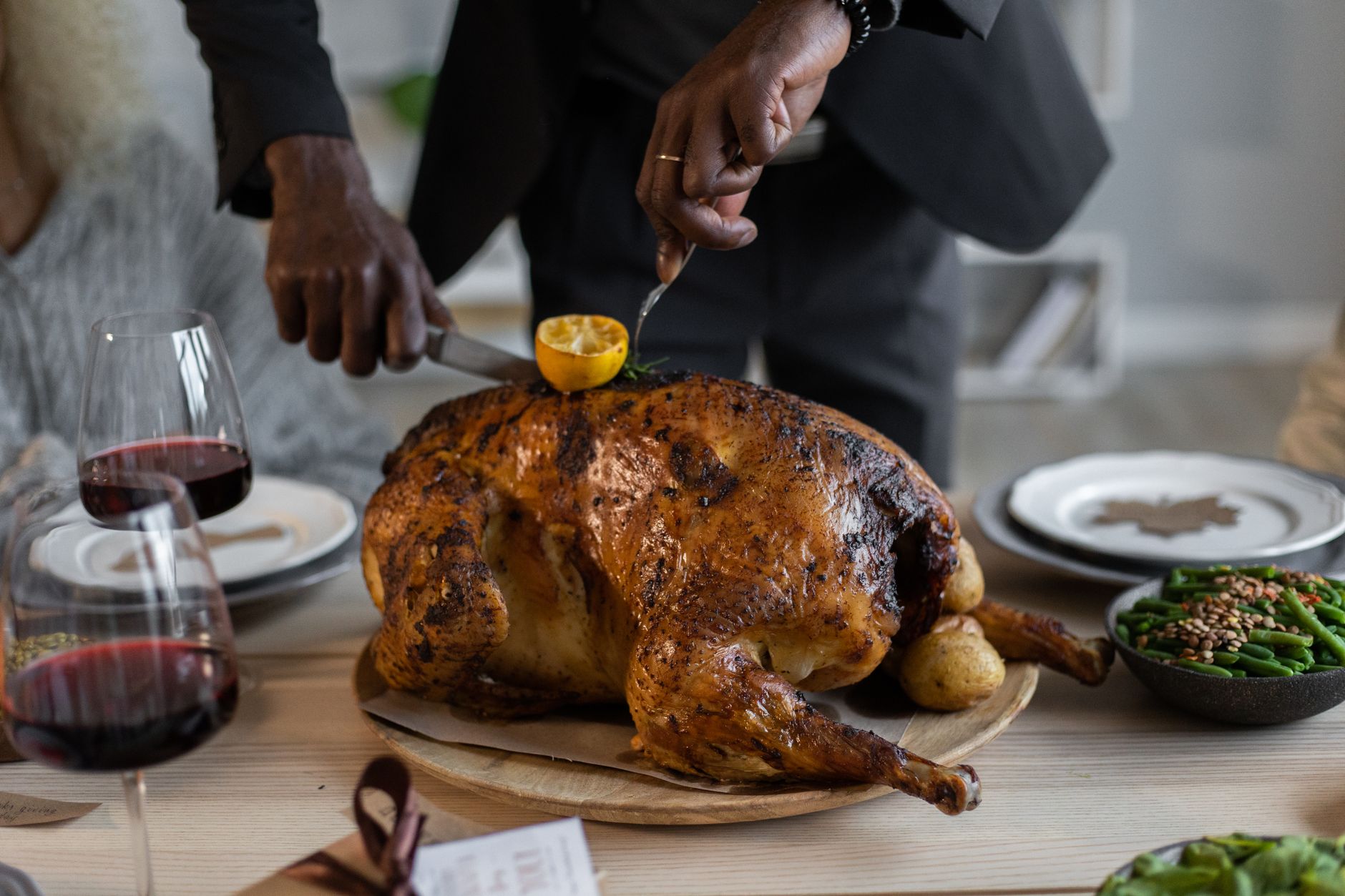
Thanksgiving is a cherished holiday in the United States, celebrated with family gatherings and feasts that vary from region to region. While turkey is often the star of the table, a variety of side dishes complement the main meal. Understanding what people traditionally eat for Thanksgiving can help you plan an unforgettable holiday feast.
This article explores some popular Thanksgiving dishes, ranging from classic sides to unique regional specialties. We’ll cover serving suggestions, popular pairings, and some tips for a successful Thanksgiving meal.
What Do People Eat for Thanksgiving?
Thanksgiving meals typically feature a roasted turkey, various side dishes, and desserts. Commonly served dishes include stuffing, mashed potatoes, cranberry sauce, and pumpkin pie. The specific menu can vary significantly based on family traditions, regional customs, and dietary preferences.
Main Course: The Turkey
The centerpiece of many Thanksgiving dinners is the turkey. Traditionally, the turkey is seasoned, stuffed, and roasted or deep-fried. This bird can be enjoyed in numerous ways, and each preparation method brings unique flavors and textures.
- Roasted Turkey: The most classic option, usually cooked with herbs and spices for maximum flavor.
- Fried Turkey: Involves deep frying the bird, yielding a crispy skin and juicy meat.
- Smoked Turkey: Provides a distinct flavor from the wood used during the smoking process.
How to Choose and Prepare Turkey
When selecting a turkey, consider serving size. Plan for approximately 1 to 1.5 pounds of turkey per person. Once you have your turkey, brining it before cooking can enhance flavor and moisture.
Side Dishes: The Star Players
Side dishes play an essential role in a Thanksgiving meal. Here are some of the most popular side dishes served alongside turkey:
Stuffing/Dressing
Stuffing, which can be cooked inside the turkey or separately as dressing, often consists of bread, vegetables, and seasonings. Each family might have its own recipe that incorporates regional ingredients or family traditions.
- Traditional Bread Stuffing: Includes cubed bread, celery, onions, and herbs.
- Sausage Stuffing: Adds ground sausage for a richer flavor profile.
- Vegetarian Stuffing: Substitutes sausage with mushrooms or nuts.
Mashed Potatoes
Mashed potatoes, creamy and buttery, are a staple at Thanksgiving. They can be prepared with different variations, such as garlic mashed potatoes or topped with gravy for added flavor.
- Classic Mashed Potatoes: Made from russet potatoes, butter, cream, and salt.
- Garlic Mashed Potatoes: Uses roasted garlic for an elevated taste.
- Loaded Mashed Potatoes: Incorporates cheese, bacon, and sour cream for extra richness.
Cranberry Sauce
This sweet and tart sauce is a favorite for cutting through the richness of savory dishes. Homemade cranberry sauce can be as simple as simmering fresh cranberries with sugar and water.
- Classic Cranberry Sauce: Made with fresh cranberries, sugar, and a splash of orange juice.
- Spiced Cranberry Sauce: Incorporates spices like cinnamon or cloves for warmth.
- Whole Berry vs. Jellied: Whole berry sauce has a chunky texture, while jellied sauce is smooth.
Green Bean Casserole
A blend of green beans, cream of mushroom soup, and crispy fried onions creates this comforting dish. It combines a creamy texture with a crispy topping.
- Traditional Green Bean Casserole: Features French green beans, creamy sauce, and crispy onions.
- Fresh Green Bean Casserole: Uses fresh green beans instead of canned for better flavor.
Sweet Potatoes
Sweet potatoes can be prepared in a multitude of ways. They can be mashed, baked, or made into a casserole, often topped with marshmallows or pecans.
- Mashed Sweet Potatoes: Creamy and sweet, often with butter or maple syrup.
- Sweet Potato Casserole: Topped with marshmallows or a pecan crumble.
- Roasted Sweet Potatoes: Seasoned and baked to bring out their natural sweetness.
Rolls and Bread
Freshly baked rolls or cornbread are perfect for mopping up gravy and adding a comforting touch to the meal.
- Dinner Rolls: Soft, pillowy rolls served warm, often buttered.
- Cornbread: A slightly sweet, crumbly bread that complements savory dishes.
Desserts: Sweet Finishes
No Thanksgiving feast is complete without dessert. Pumpkin pie is the iconic holiday dessert, but other sweet treats often grace the table as well.
Pumpkin Pie
This classic dessert features a creamy pumpkin filling spiced with cinnamon, nutmeg, and cloves, all encased in a flaky pie crust. It balances sweetness with warmth, making it a favorite of many.
- Traditional Pumpkin Pie: Made with canned pumpkin and spiced nicely.
- Maple Pumpkin Pie: Adds maple syrup for extra depth of flavor.
Pecan Pie
Lovers of nuts often enjoy pecan pie during Thanksgiving. The combination of sugar, corn syrup, and pecans creates a decadent dessert.
- Classic Pecan Pie: Features a gooey filling loaded with chopped pecans.
- Chocolate Pecan Pie: Incorporates chocolate chips for indulgence.
Apple Pie
As another beloved dessert, apple pie often features a flaky crust filled with spiced apples. A scoop of vanilla ice cream complements it perfectly.
- Traditional Apple Pie: Contains a mix of tart and sweet apples.
- Crumble Topped Apple Pie: Includes a crunchy topping for added texture.
Drinks to Pair with Your Thanksgiving Meal
When planning a Thanksgiving meal, beverages can enhance the overall experience. Traditional options include wine and cider, but non-alcoholic choices are important too.
- Wine: Pair red wine with turkey for depth or white wine for a complementing acidity.
- Cider: Hard apple cider is a great alternative and pairs well with various dishes.
- Non-Alcoholic Beverages: Offer sparkling water or homemade apple cider for guests.
Regional Variations and Unique Dishes
Thanksgiving menus can reflect regional influences, which leads to unique dishes that may not be common in every household.
Southern Thanksgiving
In the South, dishes like collard greens, cornbread dressing, and pecan pie are often featured. The focus may lean more heavily on comfort foods and indulgent desserts.
New England Thanksgiving
In New England, you might find seafood like clam chowder or lobster incorporated into the meal, reflecting the coastal traditions.
Vegetarian or Vegan Options
For those who prefer plant-based meals, options like stuffed squash, lentil loaf, and vegan pumpkin pie can easily replace traditional animal-based dishes.
Planning Your Thanksgiving Meal
Planning your Thanksgiving menu requires consideration of guest preferences, dietary restrictions, and preparation time. Here are some practical tips for a successful feast:
- Create a Balanced Menu: Include a mix of proteins, sides, and desserts to ensure variety.
- Consider Dietary Restrictions: Be mindful of gluten-free, vegan, or nut-free guests.
- Prep Ahead: Many side dishes can be made a day or two in advance to minimize stress on the day of.
- Plan Cook Times: Ensure your main dish and sides can be cooked and served at optimal temperatures.
Making Recipes Efficient
When planning your meal, efficiency in the kitchen can help reduce stress. Here are a few tips to streamline your Thanksgiving cooking experience:
- Delegate Tasks: Assign guests specific dishes to bring, creating a communal experience.
- Batch Cook: Prepare large portions of dishes that can be easily reheated.
- Utilize Slow Cookers: These can help prepare side dishes without constant attention.
- Use Freezer-Friendly Recipes: Make and freeze items like pie crust or soup in advance.
Storing and Reheating Leftovers
After the main event, leftovers are often just as celebrated as the meal itself. To safely store and enjoy them, follow these guidelines:
- Leftover Storage: Store leftovers in airtight containers in the refrigerator for up to four days.
- Reheating Guidelines: Reheat food to an internal temperature of 165°F (74°C) to ensure safety.
- Creative Uses for Leftovers: Use turkey for sandwiches, mash potatoes for soups, or make a Thanksgiving casserole.
Understanding the array of dishes that comprise a traditional Thanksgiving meal can enrich your holiday experience. From planning if turkey will be the centerpiece to crafting complementary sides and desserts, these choices create fond memories. Embrace the seasonal ingredients and make the meal a reflection of personal and family traditions.
For delicious recipes this Thanksgiving season, consider trying a pumpkin crunch recipe or putting together a refreshing thanksgiving slaw recipe to add variety to your table. Enjoy your holiday celebrations!