
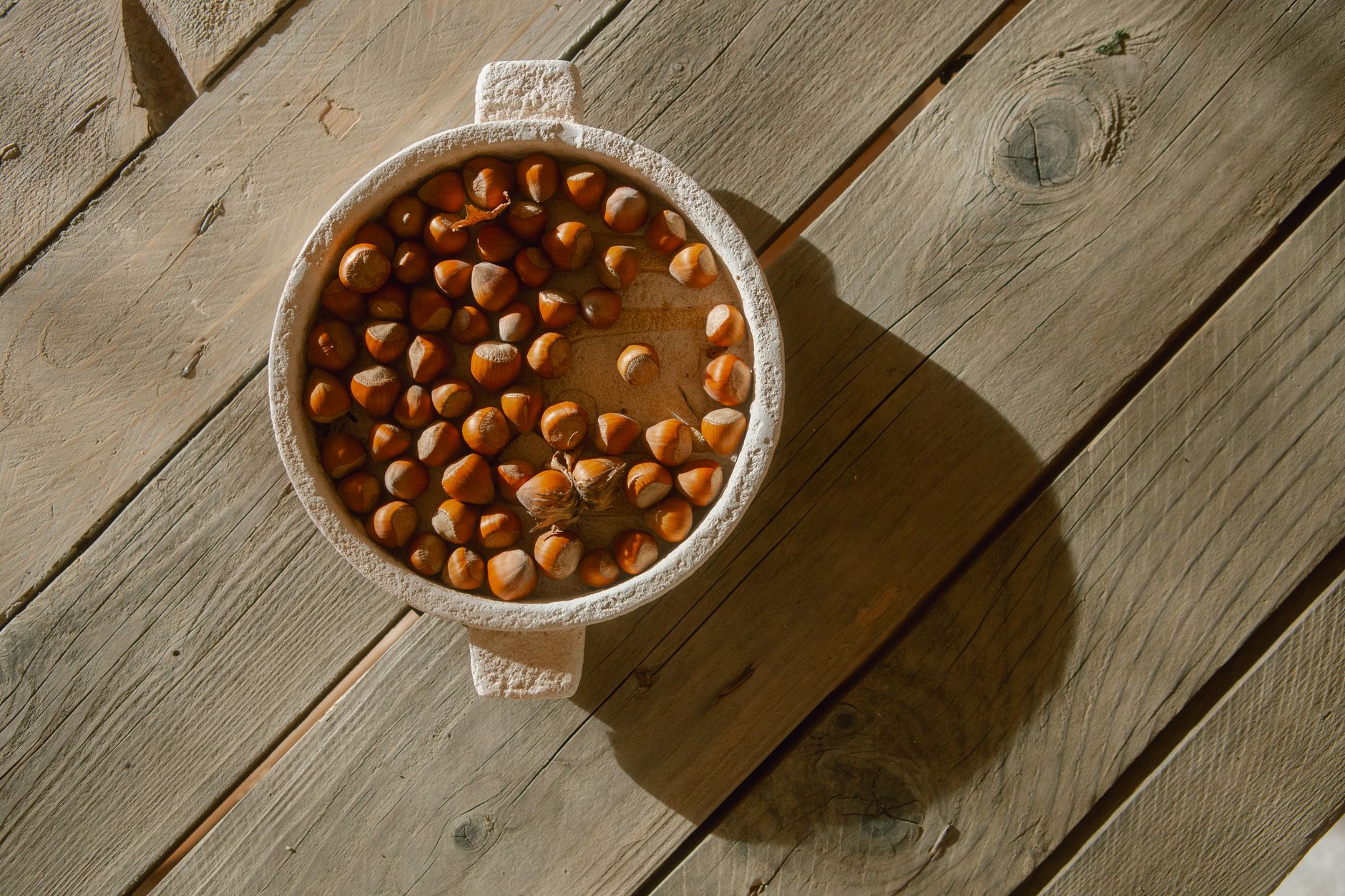
Hazelnuts are beloved for their unique flavor, versatile uses, and nutritional benefits. Understanding their taste can help you decide how to incorporate them into your meals or snacks. This article delves into the flavor profile, texture, culinary applications, and food pairings of hazelnuts, offering insights for both seasoned cooks and curious eaters.
Whether you’re looking to add a crunchy component to your salads, a nutty undertone to your baked goods, or enjoying them as a standalone snack, knowing what hazelnuts taste like will enhance your culinary experience.
What Do Hazelnuts Taste Like?
Hazelnuts have a distinct sweet, nutty flavor with a hint of earthiness. Their taste is often described as rich and buttery, making them a popular choice in both sweet and savory dishes. When toasted, their flavor intensifies, developing a deeper nuttiness and a subtle caramelized sweetness. The texture of hazelnuts complements their flavor profile, being crunchy when whole and creamy when ground into a paste.
Flavor Profile of Hazelnuts
The flavor of hazelnuts can be broken down into several key characteristics:
- Sweetness: Hazelnuts possess a natural sweetness that makes them ideal for desserts and sweet dishes.
- Nuttiness: Their nutty flavor is robust and prominent, contributing to various recipes from pastries to savory sauces.
- Earthiness: There is a subtle, earthy undertone that adds depth to their taste.
- Bitterness: Raw hazelnuts can exhibit a slight bitterness, which can be mitigated by roasting.
- Fatty/Buttery: Their creamy texture lends a rich mouthfeel, especially in nut butters or when blended.
Texture of Hazelnuts
Hazelnuts offer a distinct and enjoyable texture:
- Crunchy: Whole hazelnuts are crisp and crunchy, making them a popular choice for snacks, salads, and granola.
- Smooth: When ground, hazelnuts create a smooth paste that is creamy and rich, often used in spreads like Nutella.
- Chewy: When incorporated into baked goods, hazelnuts add a delightful chewiness, providing contrast to soft textures.
How to Use Hazelnuts in Cooking and Baking
Hazelnuts can be integrated into a wide range of dishes, both sweet and savory. Here are some ideas:
- Baking: Incorporate chopped hazelnuts into cookies, cakes, and muffins for added texture and flavor.
- Salads: Use toasted hazelnuts as a garnish for salads, adding crunch and depth.
- Nut Butters: Blend hazelnuts into nut butter for a unique spread that is perfect for toast or as an ingredient in sauces.
- Sauces: Roast and blend hazelnuts into sauces or dressings, complementing pasta and roasted vegetables.
- Desserts: Use hazelnut flour in gluten-free baking or as a topping for ice cream and other desserts.
Pairing Hazelnuts with Other Flavors
Hazelnuts are incredibly versatile and pair well with a variety of flavors:
- Chocolate: The classic pairing of chocolate and hazelnuts is a match made in heaven, found in confections and desserts.
- Fruits: Hazelnuts complement berries, apples, and pears, adding nuttiness to fruit-based dishes.
- Cheeses: Pair with soft cheeses like brie or blue cheese for an elegant appetizer.
- Spices: Cinnamon and nutmeg enhance the warmth of hazelnuts, making them perfect for seasonal baked goods.
- Herbs: Incorporate with fresh herbs like thyme or rosemary in savory dishes for added depth.
Choosing and Preparing Hazelnuts
When it comes to selecting and preparing hazelnuts, consider the following:
Choosing Hazelnuts
Look for hazelnuts that are well-peeled, firm, and have a consistent color with no dark spots. Fresh hazelnuts will have a sweet, nutty aroma.
Preparation Methods
There are various ways to prepare hazelnuts to enhance their flavor:
- Raw: Use raw hazelnuts in dishes that highlight their natural flavor.
- Roasted: Roasting hazelnuts intensifies their flavor and crunch. Spread hazelnuts on a baking sheet and roast at 350°F (175°C) for about 10 to 15 minutes, stirring occasionally until golden brown.
- Blanched: To remove the skin, blanch hazelnuts in boiling water for a minute, then transfer to ice water. The skins should slip off easily.
- Ground: Grind hazelnuts to make hazelnut flour or a smooth paste for spreads.
Storage Tips for Hazelnuts
To maintain their freshness and flavor, store hazelnuts properly:
- Room Temperature: Unopened packages can be kept at room temperature in a cool, dry place.
- Refrigeration: For longer shelf life, store hazelnuts in an airtight container in the refrigerator.
- Freezing: Hazelnuts can also be frozen for up to a year. Seal in an airtight bag or container to prevent freezer burn.
Common Mistakes and Troubleshooting
When working with hazelnuts, avoid these common pitfalls:
- Over-roasting can lead to bitterness. Keep a close eye on them while roasting.
- Failing to remove the skins can result in a bitter taste. Ensure they are thoroughly blanched if needed.
- Not storing them properly can lead to rancidity. Always store in an airtight container.
Recipe Ideas Using Hazelnuts
Here are three delicious recipes that highlight the flavor and texture of hazelnuts:
Hazelnut Chocolate Chip Cookies
Yield: 24 cookies | Preparation time: 15 minutes | Cooking time: 10-12 minutes | Total time: 30 minutes
- 1 cup all-purpose flour
- 1/2 cup ground hazelnuts
- 1/2 teaspoon baking soda
- 1/2 teaspoon salt
- 1/2 cup unsalted butter, softened
- 1/2 cup brown sugar
- 1/4 cup granulated sugar
- 1 large egg
- 1 teaspoon vanilla extract
- 1 cup chocolate chips
- Preheat the oven to 350°F (175°C).
- In a bowl, whisk together the flour, ground hazelnuts, baking soda, and salt.
- In another bowl, cream together the butter, brown sugar, and granulated sugar.
- Add the egg and vanilla extract, mixing until combined.
- Gradually mix in the dry ingredients, followed by the chocolate chips.
- Drop spoonfuls of dough onto a baking sheet and bake for 10-12 minutes or until edges are golden.
- Let cool on a wire rack before serving.
Hazelnut Pesto
This variation on traditional pesto uses hazelnuts for a unique flavor. Yield: 1 cup | Preparation time: 10 minutes
- 1 cup fresh basil leaves
- 1/3 cup toasted hazelnuts
- 1/4 cup grated Parmesan cheese
- 1/4 cup olive oil
- 2 garlic cloves
- Salt and pepper to taste
- In a food processor, combine basil, hazelnuts, Parmesan, and garlic. Pulse until coarsely chopped.
- With the processor running, slowly drizzle in olive oil until a smooth consistency is reached.
- Season with salt and pepper to taste.
Hazelnut Crusted Salmon
This dish pairs the rich flavor of hazelnuts with succulent salmon. Yield: 4 servings | Preparation time: 5 minutes | Cooking time: 15 minutes
- 4 salmon fillets
- 1 cup ground hazelnuts
- 1/4 cup Dijon mustard
- Salt and pepper to taste
- Olive oil for greasing
- Preheat the oven to 400°F (200°C). Grease a baking dish.
- Season salmon fillets with salt and pepper, then spread a thin layer of Dijon mustard on top.
- Press the ground hazelnuts onto the mustard-coated side of the salmon.
- Place in the baking dish and bake for 12-15 minutes, or until salmon is cooked through and hazelnuts are golden.
Conclusion
Understanding the taste, texture, and culinary uses of hazelnuts opens up a world of possibilities in your cooking. Whether you add them to desserts, salads, or savory dishes, their unique flavor can significantly enhance your meals. Consider experimenting with hazelnuts today, and don’t hesitate to incorporate them into both familiar and new recipes.
Explore more ingredients, cooking techniques, and meal planning tips to enhance your culinary skills and enjoy delightful dishes.