
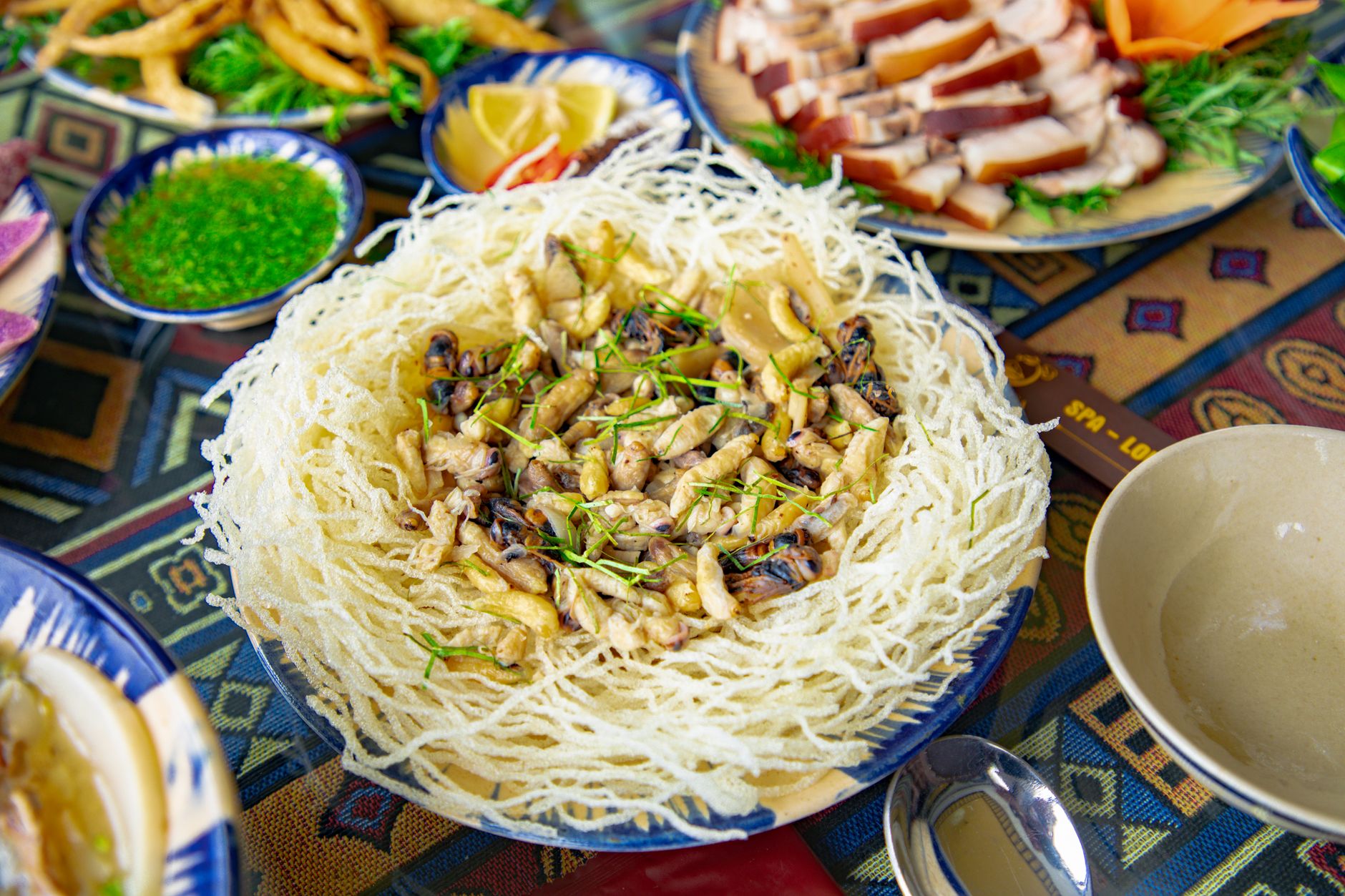
As the culinary world diversifies, one of the more unusual ingredients gaining popularity is insects. Known as entomophagy, the practice of eating bugs is rooted in many cultures and offers unique flavors and textures that can enhance numerous dishes. However, many curious eaters may wonder, what do bugs actually taste like?
Bugs can vary significantly in flavor and texture depending on the species and preparation method. Generally, they are often described as savory and nutty, with different types offering varied tastes ranging from earthy to spicy. This article will explore common edible insects, their taste profiles, textures, and some serving ideas to get you started on your entomophagy journey.
What Do Bugs Taste Like?
Bugs can surprise you with their range of tastes. Many edible insects are often characterized by their nutty and earthy flavors. For example, crickets have a mildly nutty flavor reminiscent of roasted nuts, which makes them suitable for a variety of dishes. Mealworms, on the other hand, tend to have a slightly sweet flavor profile, similar to that of sunflower seeds or nuts. Overall, the taste experience can be likened to a combination of plant-based proteins and savory snacks.
Types of Edible Bugs
There are over 2,000 species of edible insects, but the following are among the most commonly consumed:
- Crickets: These are one of the most popular edible insects, often served in protein bars or snacks. Their taste is nutty and savory.
- Mealworms: The larvae of the mealworm beetle, they offer a slightly sweet flavor and a crispy texture when roasted.
- Grasshoppers: Crunchy and often seasoned, grasshoppers can provide a savory bite with earthy tones.
- Ants: Some species, like leafcutter ants, are known for their tangy, citrus-like flavors, while others may be more earthy.
- Termites: These can have a creamy texture and nutty flavor, making them suitable for various culinary applications.
- Beetles: The larvae are generally tender, while adult beetles can be crunchy with a hint of bitterness.
Flavor Profiles and Textures
Crickets
Crickets boast a slightly nutty flavor that can be enhanced by different cooking methods. They deliver a crisp texture when roasted. Their versatility makes them suitable for use in snacks, protein powders, and even baked goods.
Mealworms
Mealworms provide a nutty, slightly sweet taste. When dried and roasted, their texture becomes crunchy, making them a popular choice for trail mixes and snack bars.
Grasshoppers
Grasshoppers have a crunchy exterior and are often seasoned with spices to elevate their umami flavor. They can be enjoyed on their own or incorporated into tacos and salads.
Ants
With a range of flavors, some ants like red weaver ants are known for their tangy, citrus notes. In contrast, others may have more of an earthy presence, depending on their species.
Termites
Termites can offer a rich, buttery flavor and a creamy texture. They are often used in sauces or as toppings due to their unique mouthfeel and taste.
Beetles
The taste of beetles can differ widely; their larvae are often tender compared to the adults, which can be quite crunchy. Adult beetles might have a slightly bitter aftertaste, which can be balanced with appropriate seasonings.
How to Prepare Bugs for Eating
Cooking insects can be as simple as roasting them with some seasoning or incorporating them into various dishes. Here are some common preparation methods:
- Roasting: This method enhances the flavor and crunchiness of the insects. Roast them in the oven at a low temperature for a crispy snack.
- Frying: Frying provides a crunchy texture and can infuse flavors easily. It’s a common method for grasshoppers and crickets.
- Incorporating into Mixtures: You can grind insects into powder to add to smoothies, protein bars, or baked goods for added nutrition and flavor.
- Boiling: This method is less common but can soften the texture before adding the bugs to stir-fries or soups.
- Used as a Garnish: Roasted or fried insects can be used as a decorative and flavorful topping on salads and other dishes.
Serving Ideas for Edible Insects
Incorporating bugs into meals can offer not just nutritional benefits but also exciting new flavors. Here are some creative serving ideas:
Baked Goods
Add ground cricket or mealworm powder to muffins, cookies, or bread. A typical ratio is about 10-15% of the total flour weight in a recipe. This can create a nutty flavor while significantly boosting protein content.
Snacks
Roasted crickets or mealworms can be enjoyed as a standalone snack. Season them with spices like paprika, garlic powder, or even chocolate for a sweet treat.
Tacos and Wraps
Use seasoned grasshoppers or crickets as a filling for tacos, along with traditional toppings such as salsa, avocado, or cabbage for crunch.
Soups and Stews
Adding protein-rich insects to soups or stews can enhance both flavor and nutritional value. Consider incorporating whole roasted insects just before serving for an added texture.
Salads
Top your salads with roasted or fried ants and crickets to add protein and a crunchy texture that complements fresh greens and vegetables.
Common Mistakes and Troubleshooting
When exploring cooking with edible insects, it’s important to keep a few common pitfalls in mind:
- Overcooking: Bugs can become dry and tough if overcooked. Monitor cooking times carefully, especially when frying.
- Seasoning: Bugs have their own unique flavors, so don’t overpower them with too many seasonings. Start simple with salt, pepper, and a few herbs.
- Source Quality: Always ensure you are sourcing insects from reputable suppliers to avoid consuming harmful species or those raised with pesticides.
Storage and Reheating of Edible Insects
Proper storage is essential for maintaining the freshness and flavor of cooked insects. Here’s how to care for them:
- Dry Storage: Dried insects can be stored at room temperature in an airtight container in a cool, dark place for several months.
- Refrigeration: Cooked insects should be stored in the refrigerator in a sealed container and consumed within a week.
- Freezing: For longer-term storage, cooked insects can be frozen. This method can preserve freshness for several months.
Final Thoughts on Edible Insects
Incorporating bugs into your diet can be an eye-opening experience that diversifies your culinary repertoire while offering boosts in protein, vitamins, and minerals. Their range of flavors and textures can enhance various dishes, making them an exciting ingredient to explore.
If you’re feeling adventurous, consider trying some of the preparation and serving ideas provided in this article. Whether baked into snacks, used in tacos, or simply roasted for a crunchy treat, bugs can add nutritional punch and delightful flavor to your meals. As with any new ingredient, start small, pay attention to your preferences, and enjoy the journey of discovery in the world of edible insects.
For more cooking tips and ideas, explore other resources for enhancing your culinary skills or discover unique ingredient guides that can further enrich your cooking experience.