
Delmonico steak is a term that evokes the notion of indulgent dining and flavorful meat. Often a favorite in steakhouses, it can be a point of confusion regarding its exact cut. Understanding what cut is Delmonico steak not only enhances your culinary repertoire but also positions you to appreciate its rich legacy. This guide aims to clarify what Delmonico steak is, how to prepare it, timing considerations, and serving tips.
Derived originally from the famed Delmonico’s restaurant in New York City, the term has evolved to encompass several cuts of beef. Despite differing opinions on its precise definition, the Delmonico steak has earned a reputation for its tenderness and rich flavor profile. Following this guide, you’ll be equipped to select, prepare, and serve Delmonico steak like a seasoned chef.
What Cut Is Delmonico Steak?
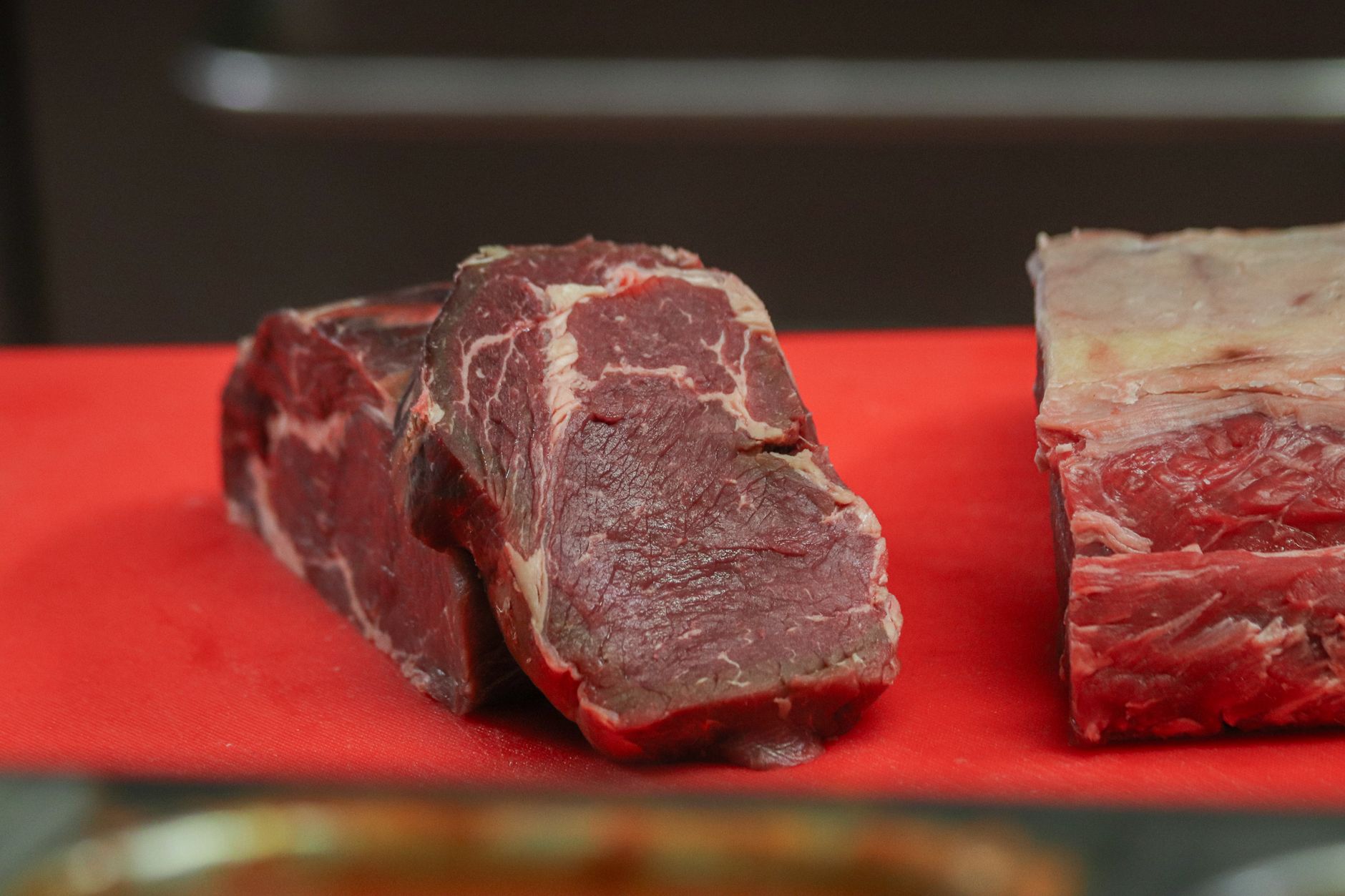
The term “Delmonico steak” is commonly attributed to several cuts of beef, most notably the ribeye and strip steak. Initially, Delmonico steak referred to a specific cut served at Delmonico’s restaurant, which was part of its appeal. Over time, the name has integrated various beef cuts into its definition. The two most recognized varieties include:
- Ribeye Steak: Known for its rich marbling and deep flavor, the ribeye cut is often considered the original Delmonico steak.
- Strip Steak: Also known as New York strip, this cut is leaner than the ribeye but offers a firm texture and robust taste.
In some regions, the term may also refer to other cuts, such as the top sirloin or even flank steak, depending on butchers and cultural context. For practical purposes, when ordering or preparing Delmonico steak, it’s commonly understood to mean ribeye or strip steak.
Selecting the Right Cut
Choosing the right cut of steak is crucial for achieving perfect results. Here are some tips for selecting Delmonico steaks:
- Look for Marbling: Marbling gives the steak its flavor and juiciness. Ribeyes are especially renowned for their abundant intramuscular fat.
- Check the Color: A deep red color indicates freshness and quality. Avoid steaks that appear dull or have an off-color.
- Thickness Matters: A thickness of about 1 to 1.5 inches is ideal for optimal cooking; thicker steaks allow for achieving a perfect sear while keeping the center juicy.
Make sure to purchase your steaks from a reputable butcher or store where you can inquire about the source and quality.
Preparation Tips for Delmonico Steak
Preparing Delmonico steak includes more than just cooking it. With the right preparation, you can maximize flavor and ensure tenderness.
Marinades and Seasoning
Marinades can enhance the flavor and tenderness of steak. Here’s how to prepare a simple marinade:
- Basic Marinade: Combine olive oil, minced garlic, soy sauce, balsamic vinegar, salt, and freshly cracked black pepper.
- Marinate: Place the steak in a zip-loc plastic bag or a shallow dish. Pour the marinade over the steak, cover, and refrigerate for 1 to 4 hours.
For seasoning without a marinade, simply sprinkle salt and pepper on both sides of the steak just before cooking. This helps achieve a crusty, flavorful exterior while cooking.
Common Mistakes to Avoid
Here are some mistakes to bypass while preparing Delmonico steak:
- Skipping the Resting Period: After cooking, let the steak rest for about 5-10 minutes before slicing. This allows juices to redistribute.
- Overcooking: Delmonico steak is best enjoyed medium-rare to medium. A meat thermometer can help ensure optimal doneness, typically around 130°F to 145°F.
- Not Preheating the Grill or Pan: A hot grill or pan is essential for achieving a good sear and locking in flavors.
Cooking Delmonico Steak: Methods and Timing
There are various methods for cooking Delmonico steak, including grilling, broiling, and pan-searing. Each method has its unique advantages.
Grilling
Grilling Delmonico steak brings out its robust flavor:
- Preheat the Grill: Heat the grill to high, about 450°F to 500°F.
- Oil the Grill Grates: This prevents sticking and helps create grill marks.
- Cook the Steak: Place the steak on the grill and close the lid. Cook for 4-6 minutes on one side, then flip and grill for another 3-5 minutes depending on thickness and desired doneness.
- Check Temperature: Use a meat thermometer to ensure it reaches your desired doneness.
Pan-Seering
If you prefer to cook indoors, pan-searing is an excellent option:
- Heat the Pan: Use a cast-iron skillet and heat it over medium-high heat.
- Add Oil: When the oil is shimmering, place the steak in the pan.
- Sear: Cook on one side for 4-5 minutes before flipping it. Continue cooking on the other side for an additional 3-4 minutes.
- Add Butter: For added flavor, consider basting with butter and herbs during the last minute of cooking.
Finishing Touches
Once cooked, always allow your Delmonico steak to rest. This allows the juices to settle, resulting in a more flavorful eating experience. As the steak rests, you can add some finishing touches:
- Herb Butter: Mix softened butter with herbs like rosemary or thyme and spread it over the steak before serving.
- Garnish with Sea Salt: A sprinkle of flaky sea salt enhances the flavors and provides a delightful crunch.
Serving Suggestions
Delmonico steak can be served in a variety of ways. Here are some ideas for pairing these steaks with complementary sides and sauces:
Suggested Sides
- Grilled Vegetables: Peppers, zucchini, and asparagus drizzled with olive oil and grilled to perfection.
- Mashed Potatoes: Creamy mashed potatoes or garlic mashed potatoes provide a delicious contrast.
- Salad: A fresh arugula salad with lemon vinaigrette adds a zesty touch.
Complementary Sauces
- Chimichurri: A zesty sauce made from parsley, garlic, olive oil, and vinegar, perfect for drizzling over steak.
- Béarnaise Sauce: A classic sauce with a buttery, herby flavor that pairs wonderfully with beef.
Make-Ahead and Storage Tips
While Delmonico steaks are best cooked fresh, you can prepare a few elements in advance:
- Pre-marinate: Marinate your steak the night before for enhanced flavor.
- Vegetable Prep: Slice and prepare your vegetables a few hours in advance to save cooking time.
If you have leftovers, store your cooked steak in an airtight container in the refrigerator for 3-4 days. Reheat gently in a skillet over low heat, ensuring not to overcook.
Final Thoughts on Delmonico Steak
Mastering the Delmonico steak involves understanding which cut to choose, how to prepare it, the best cooking methods, and serving suggestions. Whether you opt for a rich ribeye or a leaner strip steak, being equipped with knowledge about this iconic cut of meat will elevate your cooking game. Remember that using quality ingredients and proper techniques will yield the most satisfying results.
As you explore the rich world of steak, consider diving into related recipes or techniques, such as a delicious Delmonico steak recipe or learning about flat iron steak. Each cut offers unique flavors and experiences that are well worth discovering.