
Iodine is an essential trace mineral that plays a critical role in maintaining overall health, particularly in thyroid function. Understanding which foods contain iodine can help you ensure you’re getting enough of this vital nutrient. In this article, we explore various foods rich in iodine, how they contribute to flavor and nutrition, and tips on incorporating them into your meals.
This guide will cover various iodine sources, their culinary uses, and meal-planning strategies to help you achieve a balanced diet. Let’s get started on identifying what contains iodine and how you can use these ingredients in your kitchen.
What Contains Iodine?
Foods that contain iodine mainly include seafood, dairy products, eggs, and certain plant-based foods. The mineral is a component of iodized salt, which is an accessible source for many people. Including these iodine-rich ingredients in your diet can help ensure adequate intake of this vital nutrient.
Seafood: A Significant Source of Iodine
Seafood is one of the richest sources of iodine, primarily because of the mineral’s abundance in ocean water. Various types of fish and shellfish can provide substantial amounts of iodine.
Types of Seafood High in Iodine
- Cod: A versatile white fish that contains around 99 micrograms of iodine per 3-ounce serving.
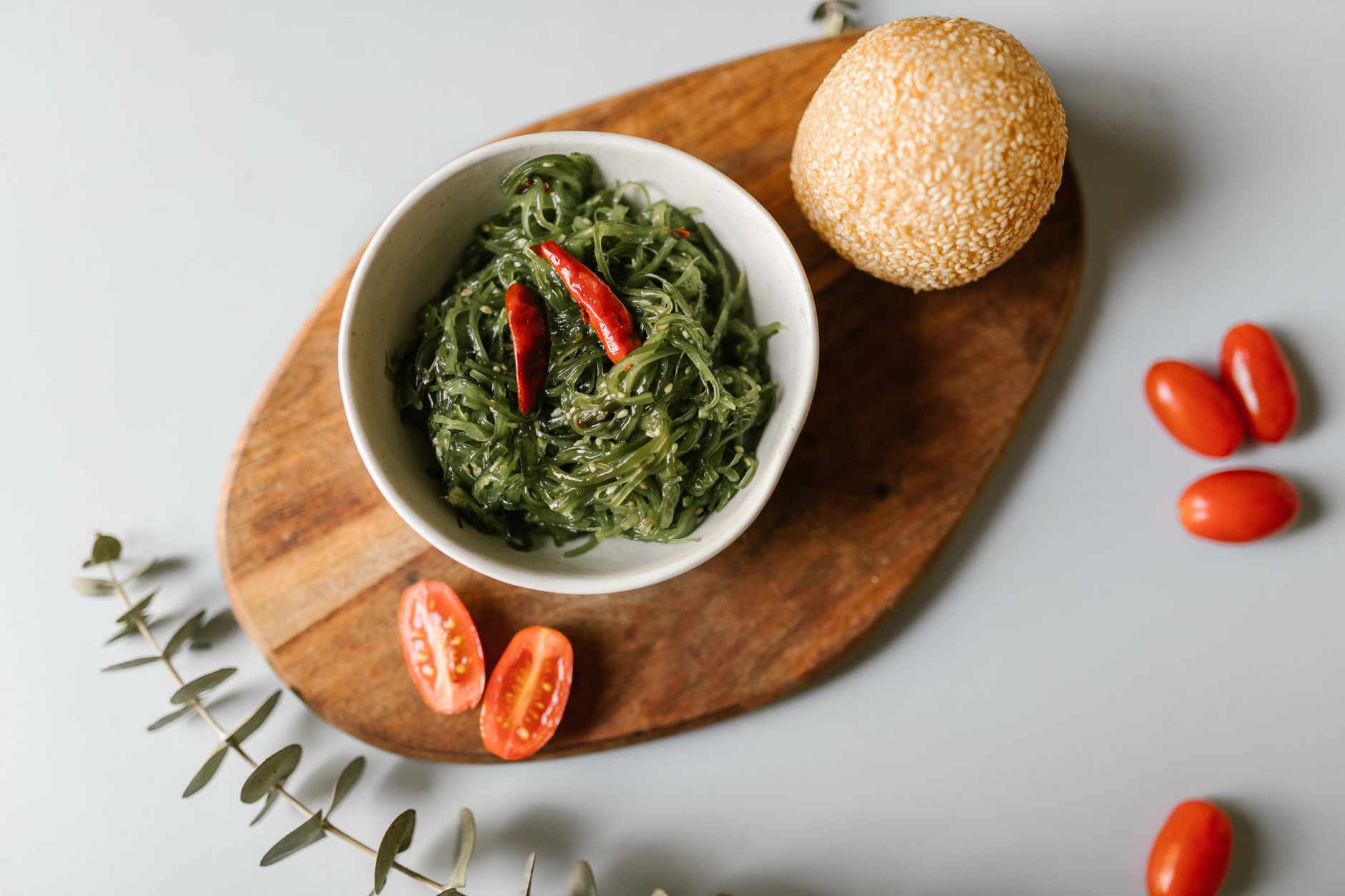
- Seaweed: Varieties like nori, kelp, and dulse can contain significant amounts of iodine. For instance, 1 gram of dried nori can have around 16 to 43 micrograms of iodine.
- Shrimp: Contains approximately 35 micrograms of iodine per 3-ounce serving.
- Tuna: A lean fish option with around 17 micrograms of iodine per 3-ounce serving, making it a popular choice.
- Salmon: Besides being rich in omega-3 fatty acids, it contains about 24 micrograms of iodine per 3-ounce serving.
Cooking with Seafood
Seafood is incredibly versatile and can be grilled, baked, broiled, or steamed. Adding seafood to salads, pasta dishes, or tacos can elevate flavor while increasing your iodine intake. Incorporating seaweed into soups and salads is another excellent way to enjoy its unique taste and nutritional benefits.
Dairy Products: A Convenient Source
Dairy products are a common and convenient source of iodine for many people. They not only add creaminess and richness to meals but also provide essential nutrients, including calcium and protein.
Examples of Dairy Products Containing Iodine
- Milk: A standard serving (8 ounces) contains approximately 56 micrograms of iodine.
- Yogurt: Plain yogurt has about 75 micrograms of iodine per 8-ounce serving, making it a healthy choice for snacking or breakfast.
- Cheese: Varieties like cheddar, mozzarella, and Swiss can contain varying amounts of iodine, typically between 5 to 20 micrograms per ounce.
Culinary Uses of Dairy Products
Dairy can be used in a variety of ways—from cooking sauces and soups to serving alongside fruits and pastries. Yogurt can be used as a base for smoothies or as a substitute for sour cream in recipes. Cheese adds flavor to salads, pasta, and sandwiches, while milk is essential in many baking recipes.
Eggs: A Nutritious Choice
Eggs are another excellent source of iodine, combining high-quality protein with essential vitamins and minerals. They are also a versatile ingredient used in various dishes.
Iodine Content in Eggs
A large egg typically contains about 24 micrograms of iodine, depending on the diet of the hens that laid them. Eggs are considered a nutrient-dense food, providing important amino acids as well as iodine.
Incorporating Eggs into Your Diet
Eggs can be boiled, scrambled, poached, or baked, lending themselves to numerous savory and sweet dishes. Breakfast classics like omelets and frittatas are a great way to start the day, while baked goods like cakes and muffins can benefit from the structural integrity that eggs provide.
Fruits and Vegetables: Plant-Based Sources
While fruits and vegetables generally contain lower levels of iodine compared to animal products, certain varieties can still contribute to your daily intake. The iodine content in these foods may depend greatly on the iodine content of the soil in which they are grown.
Vegetables Containing Some Iodine
- Potatoes: One medium potato can contain about 60 micrograms of iodine, especially if eaten with the skin.
- Spinach: Offers a small amount of iodine (approximately 24 micrograms per cup cooked), along with many other nutrients.
- Swiss Chard: This leafy green contains around 22 micrograms of iodine per cup cooked.
Fruits with Iodine
- Cranberries: Provide approximately 0.4 micrograms of iodine per one cup serving.
- Strawberries: While not rich in iodine, they provide about 1 microgram per cup.
Utilizing Vegetables and Fruits
Including a variety of fruits and vegetables in your diet is essential for overall health. Cook them in stir-fries, salads, or soups to enhance flavor and provide more nutrients. Potatoes can be baked, mashed, or made into fries, while leafy greens can be added to smoothies for added nutrition.
Cooking with Iodized Salt
Iodized salt, introduced in the 1920s to combat iodine deficiency, is a simple way to incorporate iodine into your daily cooking. It contains added iodine and can be used in moderation to season various dishes.
Using Iodized Salt in Cooking
- Seasoning: Use iodized salt in your cooking and baking as a standard seasoning option.
- Pickling: When preserving foods, iodized salt helps maintain iodine levels in the pickled products.
- Soups and Sauces: Adding iodized salt during the cooking process can enhance flavors while providing iodine benefits.
Understanding Iodine Levels in Foods
Iodine concentration in foods can vary based on several factors, including soil conditions, farming practices, and food processing methods. Individuals following a specific diet, such as vegetarian or vegan, may need to pay closer attention to their iodine intake through supplements or fortified foods.
When Eating Plant-Based
For those who do not consume animal products, some fortified foods can provide iodine. Brands may offer iodine-fortified plant milks or nutritional yeast options rich in this nutrient. Exploring seaweed snacks can also be a good alternative for vegans or vegetarians.
Meal Planning with Iodine-Rich Foods
Incorporating iodine-rich foods into your meal plans ensures you receive adequate iodine and benefit from their flavors and versatility. Here are tips for creating balanced meals that include these ingredients.
Sample Meal Plan
Breakfast
- Omelet made with 2 eggs, spinach, and cheese
- A glass of iodine-fortified almond milk or yogurt
Lunch
- Mixed green salad topped with grilled salmon and a vinaigrette made with iodized salt
Dinner
- Quinoa bowl with sautéed shrimp, diced potatoes, and steamed broccoli;
- A side of seaweed salad
Snacks
- Greek yogurt with strawberries or a handful of nuts
- Edamame sprinkled with iodized salt
Cooking Tips for Meal Preparation
- Batch cook seafood meals and store them for quick reheating during the week.
- Pre-chop vegetables for salads or stir-fries to minimize cooking time.
- Keep iodized salt at hand for seasoning foods as they cook.
Common Mistakes in Iodine Intake
Failing to include adequate iodine sources or over-relying on certain food groups while neglecting others can lead to deficiencies. Here are common errors to avoid:
- Not consuming sufficient seafood or iodine-fortified products.
- Overestimating iodine levels in fruits and vegetables grown in iodine-poor soils.
- Neglecting to check product labels for iodine content in processed foods.
How to Troubleshoot Iodine Deficiency
If you suspect low iodine intake, consider evaluating your diet and looking for food options rich in iodine. You may also want to consult with a healthcare professional for guidance and potential iodine supplementation.
Storage and Reheating of Iodine-Rich Foods
Proper storage of iodine-rich foods helps retain their nutritional quality. Here are some practical storage tips:
- Store seafood in airtight containers and consume within a couple of days of purchase.
- Dairy products should be kept in the refrigerator and consumed before their expiration date.
- Eggs can be stored in their original carton in the fridge to maintain freshness.
When reheating foods, ensure they are heated thoroughly to prevent foodborne illnesses. A food thermometer can help ensure that seafood reaches a safe internal temperature of 145°F.
Conclusion
Understanding which foods contain iodine and incorporating them into your daily meals can significantly benefit your health, particularly for thyroid function. By exploring various sources like seafood, dairy, eggs, and iodized salt, you can create flavorful, balanced meals abundant in this essential nutrient. Take the time to plan meals that include these ingredients and enjoy the culinary versatility they offer.
Explore our other resources for healthy eating, including the benefits of chia seeds and safe food storage guidelines. Keep your meals nutritious and flavorful!