
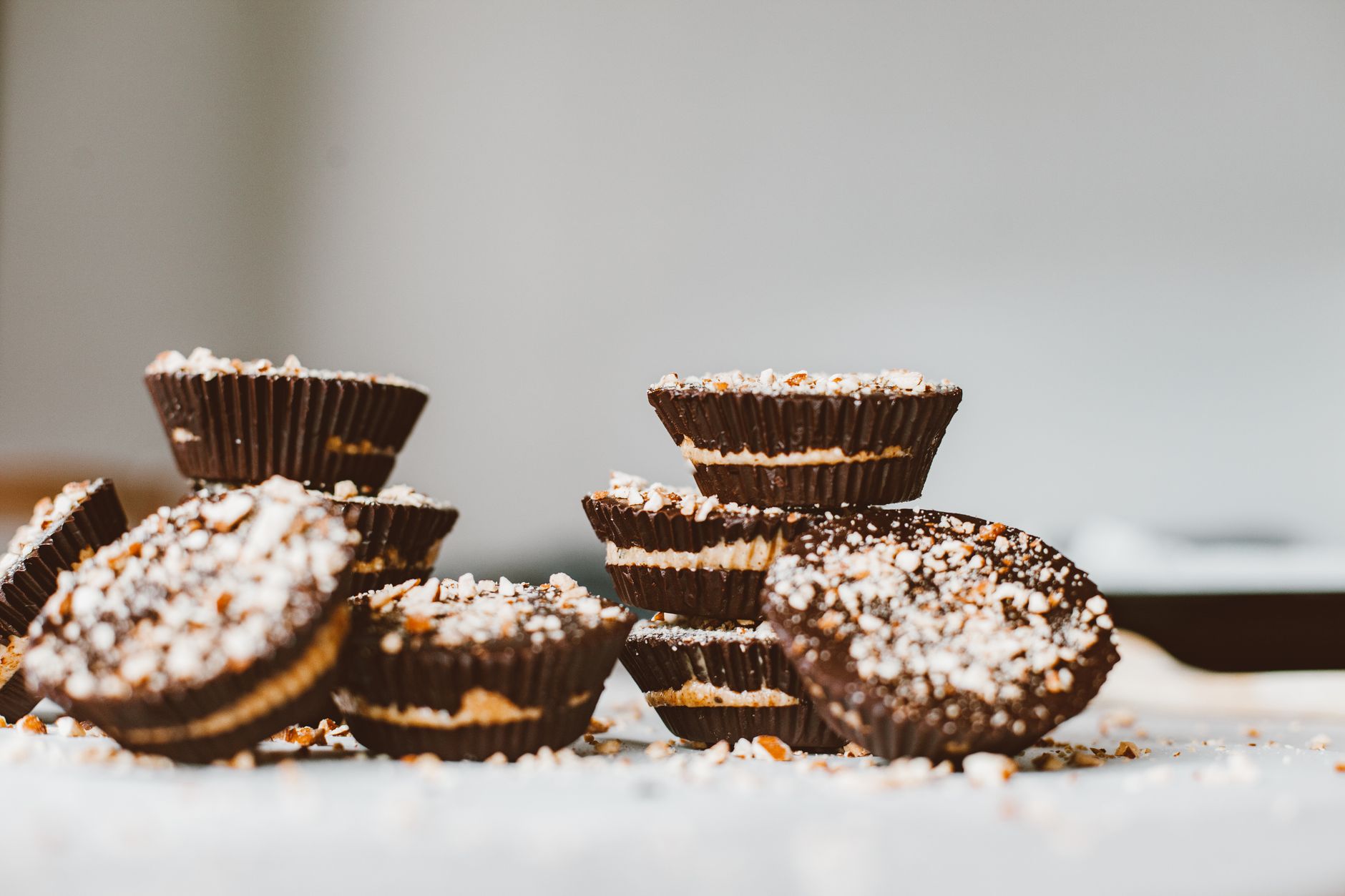
The Butterfinger candy bar is a beloved treat known for its unique blend of peanut butter and chocolate. Thousands of people enjoy its crispy texture and sweet flavor. If you’re curious about the origins of this delightful confection and the company behind it, you’ve come to the right place.
In this article, we will explore the history of Butterfinger, the company that produces it, and how it has evolved over the years. Beyond the company details, we will also discuss some creative kitchen uses for Butterfinger, including recipes and serving suggestions to satisfy sweet cravings.
What Company Makes Butterfinger?
Butterfinger is made by Ferrero, an Italian company renowned for its wide range of confectionery products. Ferrero acquired Butterfinger in 2018 as part of its purchase of Nestlé’s U.S. candy division. This acquisition allowed Ferrero to expand its portfolio and continue producing Butterfinger using the original recipe that fans have come to love.
Ferrero was founded in 1946 in Alba, Italy, and is known for several iconic brands including Nutella, Ferrero Rocher, and Tic Tac. The acquisition of Butterfinger has helped the company increase its reach in the American candy market while maintaining the quality and tradition that has made Butterfinger popular since its introduction in the 1920s.
The History of Butterfinger
Butterfinger was first introduced in 1923 by the Curtiss Candy Company. The candy bar was created with a unique combination of crunchy peanut butter core, covered in milk chocolate—setting it apart from other candy bars available at that time. Initially, the name “Butterfinger” was intended as an endorsement of its unique taste, with reminders of buttery flavors and a playful allusion to clumsiness.
Over the decades, Butterfinger has undergone various changes in packaging and marketing, including memorable advertising campaigns featuring the famous catchphrase, “Nobody’s Better than a Butterfinger.” The brand became a household name through its clever promotions, particularly in connection with popular culture and media.
Acquisition by Ferrero
As previously noted, Ferrero acquired Butterfinger in 2018 after purchasing Nestlé’s U.S. candy division. This acquisition allowed Ferrero to maintain production of Butterfinger while introducing innovative marketing strategies to engage a new audience. Ferrero’s reputation for quality candy and innovation promises to keep Butterfinger relevant as consumer preferences evolve.
Using Butterfinger in the Kitchen
Beyond being a fantastic stand-alone candy bar, Butterfinger can be used as an ingredient in various recipes, desserts, and even snacks. Its combination of flavors and textures makes it a delightful addition to numerous dishes. Below are some practical ways to use Butterfinger in your kitchen.
1. Butterfinger Cake
A Butterfinger cake is a rich and decadent dessert option. The cake consists of layers of chocolate or yellow cake filled with whipped cream and crushed Butterfinger bars. It’s perfect for a birthday party, holiday celebration, or any occasion that calls for a special sweet treat.
- Prep Time: 20 minutes
- Cook Time: 30 minutes
- Total Time: 50 minutes
- Servings: 12
Ingredients:
- 1 box cake mix (chocolate or yellow)
- Ingredients called for on the cake mix box (typically eggs, oil, and water)
- 1 cup heavy whipping cream
- 1 cup powdered sugar
- 2 cups crushed Butterfinger bars (about 4 bars)
- 1 tsp vanilla extract
Method:
- Preheat the oven according to package instructions for the cake mix.
- Prepare and bake the cake according to the packaging instructions. Let the cake cool completely.
- In a mixing bowl, combine the heavy whipping cream, powdered sugar, and vanilla extract. Beat until stiff peaks form.
- Cut the cooled cake horizontally into three even layers.
- Spread a layer of whipped cream and sprinkle crushed Butterfinger bars on top of the first layer. Repeat this for the second layer.
- Top with the final cake layer and frost the top with remaining whipped cream. Sprinkle crushed Butterfinger bars on top to finish.
2. Butterfinger Balls
Butterfinger balls are a quick and easy treat that requires minimal preparation. These delicious bites are great for parties or as a sweet snack to share with friends and family.
- Prep Time: 15 minutes
- Total Time: 1 hour (including chilling)
- Servings: Approximately 20 balls
Ingredients:
- 1 cup peanut butter
- 1 cup crushed Butterfinger bars (about 2 bars)
- 2 cups powdered sugar
- 1 cup melted chocolate (for coating)
Method:
- In a mixing bowl, combine peanut butter, crushed Butterfinger, and powdered sugar. Mix well until fully combined.
- Shape the mixture into small balls and place on a lined baking sheet.
- Chill in the refrigerator for 30 minutes to 1 hour until firm.
- Dip each ball into melted chocolate until fully coated. Place back onto the baking sheet and allow chocolate to set.
3. Ice Cream Toppings and Shakes
Butterfinger bars can also enhance your ice cream creations. Crushed Butterfinger pieces can be sprinkled over scoops of vanilla or chocolate ice cream, adding a delightful crunch and flavor. Additionally, they can be blended into milkshakes for a rich, caramel experience.
- To make a Butterfinger milkshake: Blend 2 cups of vanilla ice cream with 1 cup of milk and 1/2 cup of crushed Butterfinger bars until smooth. Top with whipped cream and additional crushed Butterfinger for presentation.
4. Baking with Butterfinger
Butterfinger can seamlessly integrate into your favorite cookie recipes as well. Simply chop the bars and fold them into chocolate chip cookie dough for a twist on the classic recipe.
Storage and Shelf Life of Butterfinger
When it comes to storage, Butterfinger candy bars should be kept in a cool, dry place. In their original wrappers, they can last for several months without losing flavor or texture. However, if you are using Butterfinger in recipes, it’s best to consume the finished product within a week for optimal freshness. If necessary, keep the dessert stored in an airtight container to prevent moisture and retain flavor.
Common Mistakes and Troubleshooting
When preparing recipes using Butterfinger, consider some common pitfalls and how to avoid them.
- Not cooling the cake completely before frosting can lead to melted icing. Allow it to cool for at least 30 minutes.
- Overmixing the whipped cream can turn it into butter. Beat until just stiff peaks form for the best result.
- For Butterfinger balls, ensure the mixture is firm enough before shaping by refrigerating it adequately.
Variations and Substitutions
Feel free to experiment with the recipes provided by substituting different chocolate types or flavorings. For example:
- Use dark or white chocolate instead of milk chocolate for coating Butterfinger balls.
- In place of Butterfinger, you can use other candy bars like Reese’s Cups or Snickers for a different flavor profile.
Conclusion
Butterfinger is more than just a candy bar; it’s a versatile ingredient that can elevate desserts and snacks in your kitchen. From delicious cakes to quick treats, the options for utilizing Butterfinger are vast and exciting. As you explore the many delicious ways to use Butterfinger, remember to enjoy the playful crunch and satisfying flavors that have captivated candy lovers for generations.
For more recipes and creative cooking ideas, check out these delicious Butterfinger cake and Butterfinger balls recipes. Happy cooking!