
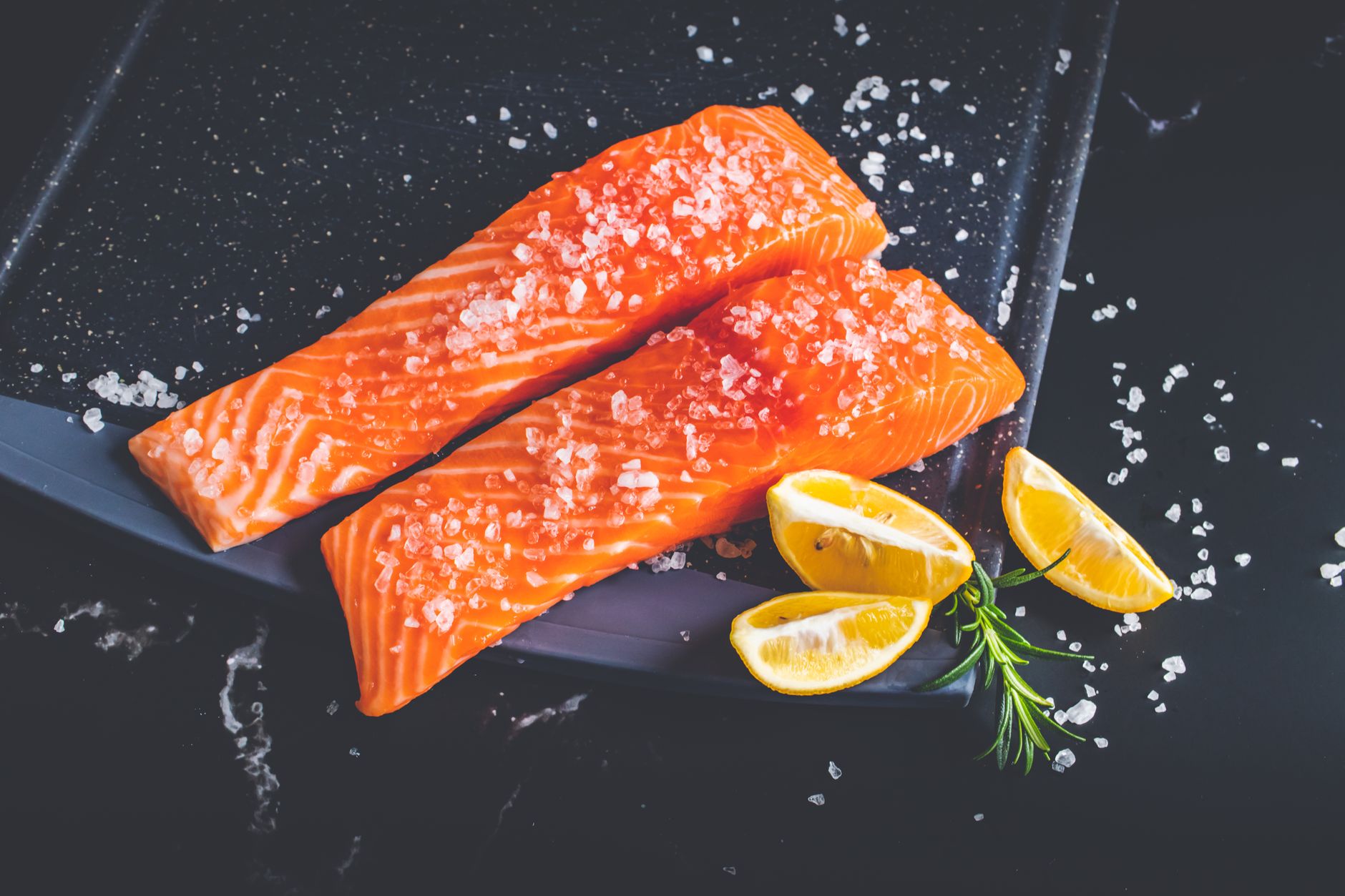
Salmon is a beloved fish, often featured in various culinary traditions and known for its rich flavor and healthy fats. While many are familiar with its distinct pink-orange hue, the natural coloring of salmon can vary widely depending on several factors, including its diet and species. Understanding the natural colors of salmon can help you select high-quality fish and enhance your cooking experience.
This article explores the natural color of salmon, the factors that influence it, and its culinary significance. We will also look at different cooking techniques and tips on how to choose the best salmon in your local market.
What Color Is Salmon Naturally?
The natural color of salmon can range from a pale pink to a vibrant orange-red. This variation is primarily influenced by the fish’s diet, particularly its consumption of carotenoid-rich foods such as krill and shrimp. Different salmon species, including Atlantic and Pacific salmon, also exhibit distinct color profiles.
Factors Influencing the Color of Salmon
A few key factors contribute to the color of salmon, impacting both its appearance and nutritional content.
1. Species
There are several species of salmon, each exhibiting different color characteristics:
- Atlantic Salmon: Typically has a lighter pink to orange hue.
- Sockeye Salmon: Known for its deep red color, especially when spawning.
- Keta Salmon (Chum): Generally a paler, duller pink.
- Coho Salmon: Offers a bright red to light red coloration.
2. Diet
The diet of salmon significantly impacts its coloration. Salmon that consume a diet rich in carotenoids, which are pigments found in certain algae and marine organisms, tend to exhibit a deeper orange or red color. Wild salmon, feeding on a natural diet, often display more vibrant coloring than farmed salmon, which may not receive the same nutrients.
3. Farming Practices
Farmed salmon are typically fed a controlled diet that may include artificial coloring, leading to a more consistent hue but often a less vibrant one than is found in wild salmon. Some fish farms supplement their feed with astaxanthin, a carotenoid that enhances the pink color of the fish.
4. Environmental Factors
Environmental conditions such as water temperature, habitat, and overall health can also influence the coloration of salmon. Warmer temperatures and clearer waters can lead to better feeding conditions, potentially enhancing the fish’s color.
Culinary Uses of Salmon Color Variations
The color of salmon not only affects its visual appeal but can also influence culinary choices and preferences. Here are some ways the different colors may be used in recipes:
1. Presentation and Aesthetics
Color plays a significant role in the presentation of dishes. The vibrant hue of sockeye salmon can create a striking contrast against greens and other colorful ingredients in a salad or on a platter. When choosing salmon for a special occasion, consider how its color will complement other elements on the plate.
2. Flavor Profile
While the color itself doesn’t directly determine flavor, many chefs and home cooks associate deeper-colored fish with richer, more pronounced flavors. For example, sockeye salmon, with its vibrant red hue, is often considered to have a stronger taste compared to lighter-colored farmed salmon. This can guide your choice based on the dish you intend to prepare.
3. Cooking Techniques
Different colors may pair well with various cooking techniques. Darker, richer salmon types can stand up to bolder flavors, making them ideal for grilling or smoking, while paler salmon may benefit from more delicate cooking methods such as poaching or baking.
Choosing Quality Salmon in the Market
Selecting quality salmon can greatly enhance your culinary results. Here are some tips to help you choose the best salmon:
1. Freshness Indicators
When shopping for salmon, look for the following freshness indicators:
- Color: Fresh salmon should have a bright and vibrant color, consistent with its species.
- Smell: Look for a mild ocean-like scent. It should not smell overly fishy.
- Texture: The flesh should be firm and spring back when pressed. Avoid any that feels mushy.
2. Purchasing Wild vs. Farmed Salmon
Wild-caught salmon typically boasts a richer color and is often more flavorful. However, sustainably farmed salmon can be a reliable alternative that offers good flavor and quality. If possible, ask your fishmonger about the source of their salmon and opt for those from responsible fisheries or farms.
3. Frozen vs. Fresh
Frozen salmon can also offer good quality, especially if flash-frozen shortly after catch. If purchasing frozen fish, ensure that it is opaque in color and does not have signs of freezer burn. Always check the expiration dates and packaging for any signs of ice crystals, which can indicate thawing and refreezing.
Cooking Techniques for Different Salmon Colors
Different cooking techniques can highlight the unique flavors and textures of salmon. Here are some popular methods you can try:
1. Baking
Baking salmon is a straightforward method that allows for easy seasoning and does not require constant attention. Preheat your oven to 350°F (175°C), season your salmon with herbs and spices, and bake it for about 15-20 minutes until it flakes easily with a fork. Use a shallow baking dish for best results.
2. Grilling
Grilling salmon can impart a delightful smoky flavor. For best results, preheat your grill and oil the grates to prevent sticking. Grill salmon skin-side down for about 6-8 minutes per side, depending on thickness. This method works well with richer salmon varieties, allowing their natural flavors to shine.
3. Poaching
Poaching is an excellent technique for preserving moisture, particularly for lighter-colored salmon. Submerge salmon fillets in simmering water or a flavored broth and cook for about 10-15 minutes until opaque. This method is perfect for delicate flavors and textures.
4. Smoking
Smoking, either hot or cold, can add unique flavors to your salmon. If hot-smoking, prepare a smoker, season your salmon, and smoke for 1-3 hours depending on your desired smokiness and thickness. Cold smoking requires more specialized equipment but leads to a silky, luscious texture.
Common Mistakes When Cooking Salmon
1. Overcooking
Salmon cooks quickly, and overcooking can make it dry and tough. Use a meat thermometer to check for doneness; it should reach an internal temperature of 125°F (51°C) for medium-rare. Remove it from the heat just before it reaches the target temperature, as it will continue to cook while resting.
2. Not Seasoning Adequately
Salmon’s natural flavor can be enhanced with the right seasoning. A simple combination of salt, pepper, lemon, and fresh herbs can elevate the dish significantly. Don’t shy away from experimenting with marinades or spice rubs to suit your taste.
3. Cooking from Refrigeration
Bringing salmon to room temperature before cooking can lead to more even cooking. Allow it to sit out for about 15-20 minutes before placing it in your oven or on the grill, helping it cook more uniformly.
Storage and Reheating Tips for Salmon
Proper storage and reheating can help maintain the quality and safety of salmon. Here are some guidelines:
1. Refrigeration
Cooked salmon can be stored in the refrigerator in an airtight container for up to three days. Raw salmon should be kept at a temperature below 40°F (4°C) and used within two days of purchase for optimal freshness.
2. Freezing
If you decide to freeze salmon, wrap it tightly in plastic wrap or aluminum foil, then place it in a freezer bag to prevent freezer burn. Salmon can typically be frozen for up to three months. When ready to use, thaw in the refrigerator overnight.
3. Reheating
To reheat cooked salmon, place the fillet in a baking dish, cover with foil to prevent drying out, and warm in a 275°F (135°C) oven for 10-15 minutes, or until just warmed through. Avoid microwaving, as it can lead to uneven heating and a rubbery texture.
Finding the Best Recipes Using Salmon
Salmon’s versatility allows it to shine in a wide array of dishes. From roasted salmon with herbs to flavorful salmon tacos, there are endless possibilities to explore. Below are a few ideas:
- Mediterranean Baked Salmon – Incorporate olives, tomatoes, and feta for a Mediterranean twist.
- Teriyaki Salmon Skewers – Perfect for grilling, these skewers combine tender salmon with a sweet marinade.
In summary, the natural color of salmon varies based on species, diet, and environmental factors, and understanding these elements can enhance your cooking experience. The techniques for incorporating salmon into your meals are versatile and rewarding, making this fish a staple in many kitchens. Try experimenting with different cooking methods and flavors to discover your culinary preferences. Explore related recipes, cooking tips, and food guides to expand your culinary knowledge and skills.