
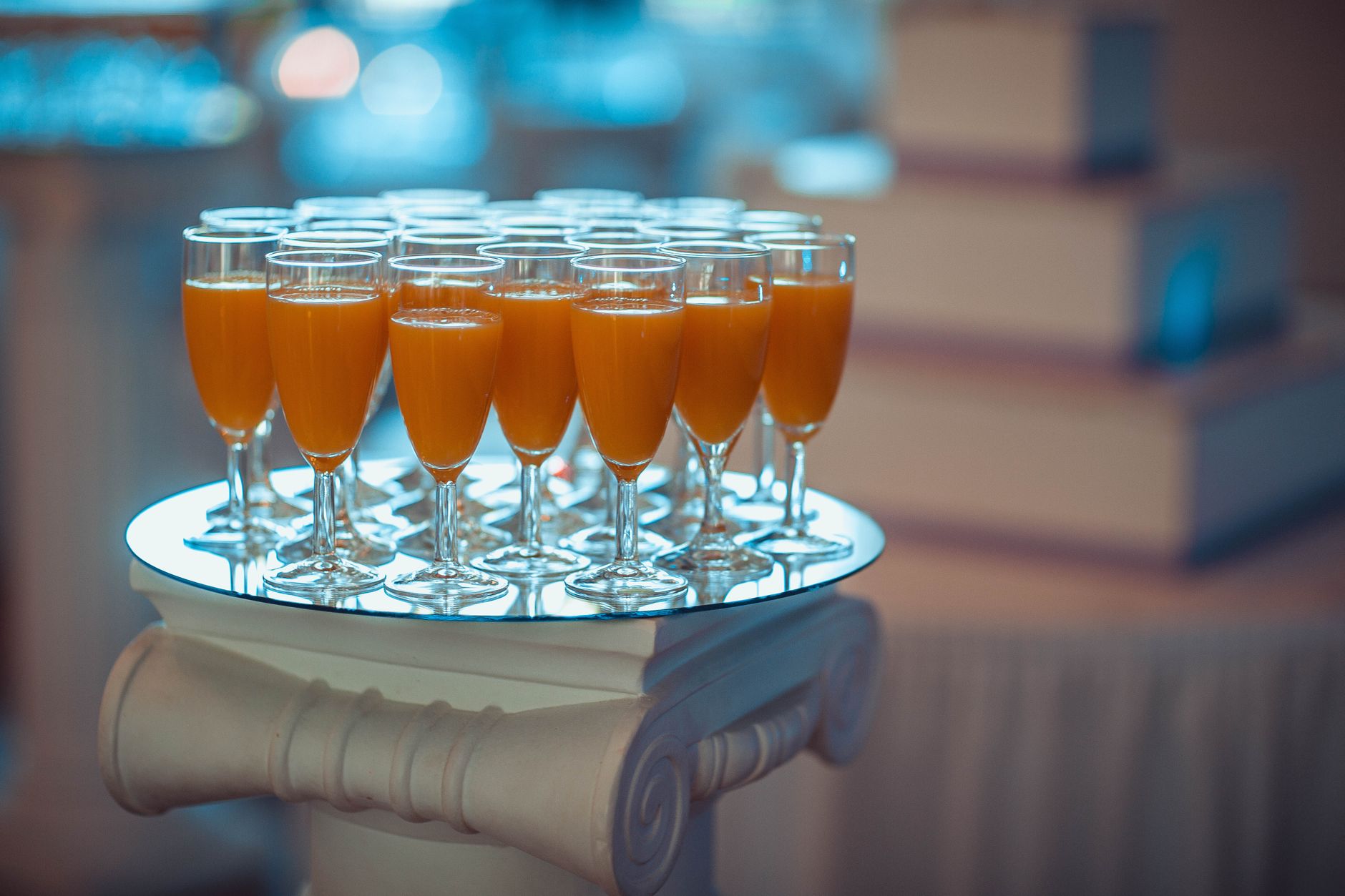
Mimosas are a beloved brunch cocktail that bring together the effervescence of champagne and the refreshing taste of citrus juice, typically orange juice. The choice of champagne can significantly influence the flavor and experience of this delightful drink, making it essential to pick the right bottle.
This guide will help you understand which champagnes are ideal for mimosas, exploring factors like flavor profile, price range, and other options that can elevate your mimosa experience. Whether you are hosting a brunch or simply indulging in a quiet morning, knowing what champagne to choose can enhance the pleasure of sipping your mimosa.
What Champagne Is Good for Mimosas?
When selecting champagne for mimosas, look for a lighter, less expensive sparkling wine with balanced acidity and fruitiness, such as Cava, Prosecco, or even an affordable Champagne. Non-vintage brut options are often recommended for their clean flavor and compatibility with citrus juices.
Understanding Champagne Basics
Before diving into specific recommendations, it’s essential to understand the fundamental characteristics of champagne that make it suitable for mimosas. Champagne is typically classified by its sweetness level, which is defined by the amount of sugar added during the production process.
- Brut: This is the most common style of champagne used in mimosas, with very low sugar content (less than 12 grams per liter). Its dryness complements the sweetness of the fruit juice.
- Semi-Sec: This sweeter option (about 17 to 32 grams of sugar per liter) can provide added sweetness but may overwhelm the mimosa depending on the juice used.
- Non-Vintage vs. Vintage: Non-vintage champagnes are blends from multiple years and are typically more affordable and consistent in taste, making them ideal for mimosas.
Champagne Options for Mimosas
Here are some champagne options that work well for mimosas, categorized into different types and price ranges.
1. Affordable Options
If you’re looking for budget-friendly choices that still offer a delightful experience, consider the following:
- Freixenet Cordon Negro Brut: This Cava from Spain is well-balanced with fruitiness and crisp acidity, usually priced around $11.
- La Marca Prosecco: An approachable and bubbly Prosecco that offers vibrant peach and green apple flavors, generally retailing for about $15.
- Moët & Chandon Brut Impérial: A well-known Champagne producer that offers a balanced, fruit-forward champagne, typically priced around $50.
2. Mid-Range Selections
For those willing to spend a bit more, these mid-range options can enhance the mimosa experience:
- Taittinger Brut La Francaise: Known for its delicate flavors of ripe fruit with a hint of peach and apricot, this Champagne usually retails for around $50-$60.
- Chandon Brut Classic: This is a California sparkling wine with a nice blend of citrus notes and a bright finish, available for about $25.
- Domaine Chandon Etoile Brut: A premium sparkling wine full of depth and complexity, priced at approximately $40-$50, making it a fantastic choice for special occasions.
3. Premium Selections
If you wish to indulge in more luxurious options, consider these well-regarded champagnes:
- Veuve Clicquot Yellow Label: This iconic champagne exhibits flavors of apple and pear with a vibrant finish, typically costing around $50-$60.
- Bollinger Special Cuvée: With the signature richness and complexity, this champagne offers beautiful toasty notes along with fruity flavors, generally priced around $70.
- Dom Pérignon Vintage: A prestige cuvée that’s rich and complex, appealing to those who want to elevate their mimosa experience, usually priced upwards of $150.
Alternative Sparkling Wines for Mimosas
While champagne is a classic choice for mimosas, several alternatives can offer unique flavors without breaking the bank. Here are a few notable options:
- Cava: This Spanish sparkling wine is made in the traditional method and tends to be more affordable than champagne, with a crisp and refreshing taste.
- Prosecco: An Italian sparkling wine that is fruitier and lower in acidity compared to champagne, making it a popular choice for those who prefer a sweeter touch.
- Crémant: This French sparkling wine is produced using the traditional champagne method but comes from regions outside of the Champagne area, providing an excellent, affordable alternative.
Optimal Juice Pairings for Mimosas
The choice of juice in your mimosa can greatly alter its taste and experience. While traditional mimosas are made with orange juice, experimenting with different juices can enhance the flavor profile:
- Orange Juice: Traditional and widely loved, the bright and tangy flavors of fresh orange juice pair perfectly with the dryness of brut champagne.
- Pineapple Juice: A tropical twist that adds sweetness to the drink, pineapple juice works great with prosecco for a more laid-back vibe.
- Grapefruit Juice: For a tart and refreshing mimosa, grapefruit juice is an excellent choice. The bitterness can balance out the sweetness of the wine.
- Peach Puree: Pureed fresh peaches provide a creamy texture and sweet floral notes, making them a perfect partner for brut sparkling wines.
Making Mimosas: The Perfect Ratio
The standard ratio for a mimosa is generally half champagne and half juice. However, this can be adjusted to personal preference. A common guideline is:
- Classic Mimosa: 1 part champagne to 1 part juice.
- Stronger Mimosa: 2 parts champagne to 1 part juice for a bolder flavor.
- Sweeter Mimosa: 1 part champagne to 2 parts juice, especially if using less acidic fruit juices.
Common Mistakes to Avoid When Making Mimosas
To ensure your mimosas are delightful, avoid these common pitfalls:
- Using flat champagne: Always use freshly opened champagne to ensure that effervescence enhances your mimosa.
- Over-juicing: Adding too much juice can dilute the champagne’s flavor. Stick to the recommended ratios for balance.
- Skimping on quality: Using low-quality wine may result in a flat or uninteresting mimosa. Choose a decent champagne or sparkling wine.
Enhancing Your Mimosas
There are various ways to elevate your mimosa and impress your guests:
- Add fresh fruit slices, such as berries or citrus, into the glass for an elegant touch.
- Experiment with herbs such as mint or basil for a refreshing twist.
- Consider a flavored sparkling syrup, like elderflower or lavender, to infuse a unique flavor.
Frequently Asked Questions
What type of champagne should I avoid for mimosas?
It’s best to avoid sweet champagnes like demi-sec or doux, as their high sugar content can clash with the fruit juice, creating an overly sweet drink.
Can I use non-alcoholic sparkling wine for mimosas?
Absolutely! Non-alcoholic sparkling wines can be a great alternative for those avoiding alcohol while still enjoying a festive drink.
Storage and Preparation Tips
Proper storage of champagne can help maintain its effervescence and flavor:
- Storing champagne: Keep champagne in a cool, dark place, ideally at a temperature between 45-65°F. Avoid storing it upright for long periods.
- Chilling champagne: For optimal serving temperature, chill your champagne in the refrigerator for about three to four hours before serving or ice it for 20-30 minutes.
Nutrition & Portions
Mimosas typically have fewer calories than many cocktails, depending on the ingredients used. Here’s a rough breakdown based on a standard mimosa using brut champagne and orange juice:
| Ingredient | Serving Size | Calories |
|---|---|---|
| Brut Champagne | 3 oz | 80-100 |
| Orange Juice | 3 oz | 60-80 |
| Total | – | 140-180 |
Final Thoughts
Choosing the right champagne for your mimosas can transform the experience from ordinary to extraordinary. By selecting quality options and being mindful of ratios and ingredient pairings, you can create a drink that satisfies the palate.
Next time you prepare mimosas, use this guide to pick the perfect sparkling wine, ensure its storage and serving temperature is just right, and enjoy the joyful blend of flavors that your choice of champagne brings.
Explore more culinary inspiration with other guides and recipes that you may find helpful. Discover essential tips in our guides on cooking techniques, meal planning, and brunch recipes.