
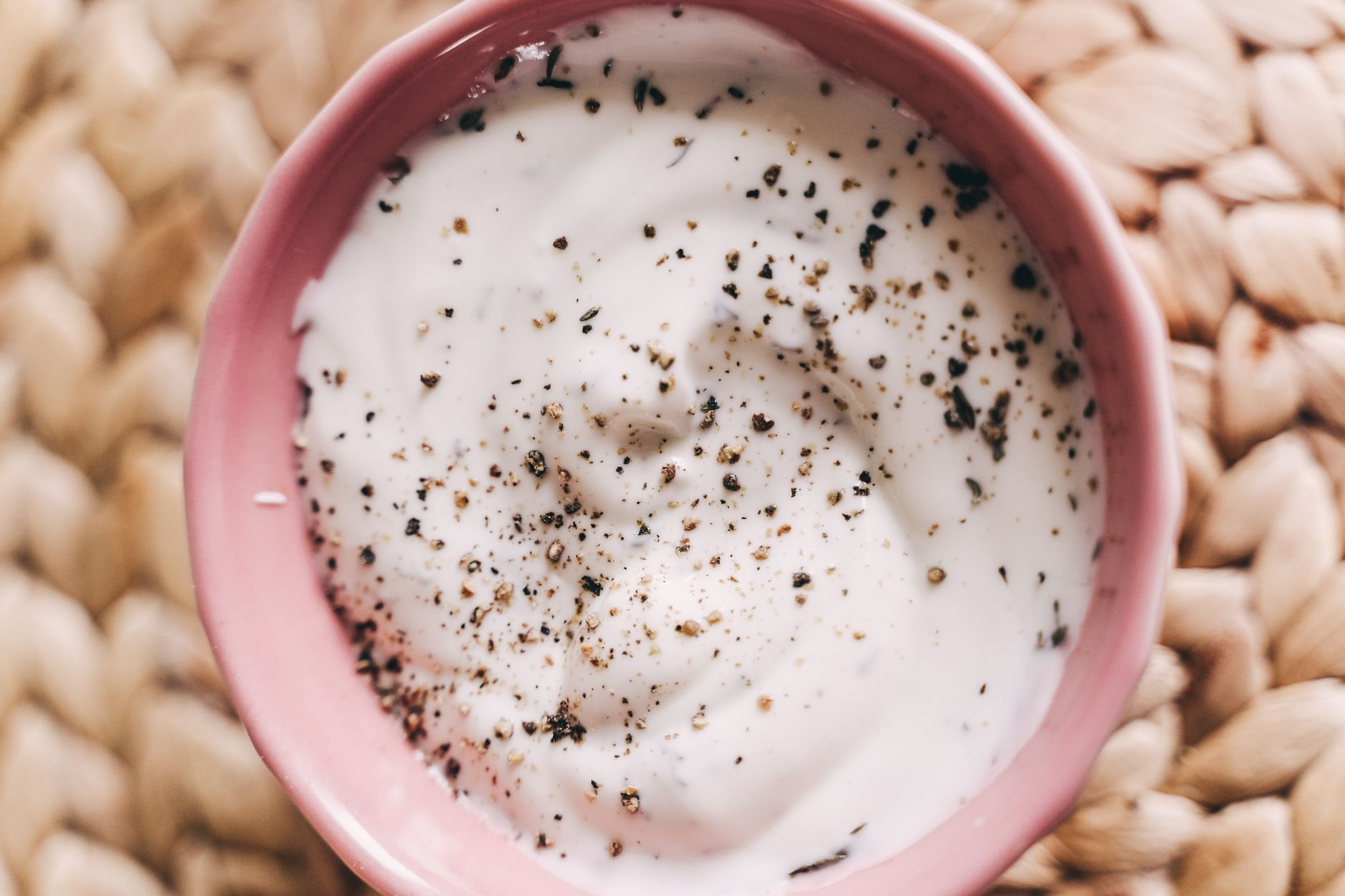
Sour cream is a common ingredient that adds richness and tang to many dishes. Whether you’re making a creamy dip, a baked good, or a savory sauce, it’s important to know the best alternatives when you don’t have sour cream on hand.
This article explores what you can use in place of sour cream, offering practical swaps along with their ratios and how they affect flavor and texture. Discover how to keep your recipes delicious without sour cream!
What Can You Use in Place of Sour Cream?
There are several great alternatives for sour cream that can be used in recipes. Here are some reliable options along with tips on how to use them effectively.
1. Plain Yogurt
Plain yogurt, especially Greek yogurt, is one of the most common substitutes for sour cream. It has a similar tangy flavor and creamy texture.
- Substitution Ratio: Use a 1:1 ratio when replacing sour cream with plain yogurt.
- Flavor & Texture: Greek yogurt is thicker and creamier, making it an excellent choice for dips and sauces. Regular plain yogurt has a slightly thinner consistency.
- Best Uses: Dressing, dips, and baked goods.
2. Crème Fraîche
Crème fraîche is a cultured cream that has a slightly nutty flavor and is less tangy than sour cream.
- Substitution Ratio: Use a 1:1 ratio. Adjust the quantity according to the thickness desired.
- Flavor & Texture: It is richer and creamier, making it a great choice for sauces, soups, and dressings.
- Best Uses: Sauces, soups, and topping for baked goods.
3. Cottage Cheese
Cottage cheese can be blended to create a similar texture to sour cream while maintaining a lower fat content.
- Substitution Ratio: Use a 1:1 ratio. For smoother texture, blend until creamy.
- Flavor & Texture: It has a milder flavor than sour cream. Adding a little lemon juice can enhance its tanginess.
- Best Uses: Baked goods and dips.
4. Cream Cheese
Cream cheese can provide a rich and creamy alternative, although it is denser than sour cream.
- Substitution Ratio: Use ¾ cup of cream cheese mixed with ¼ cup of milk for every cup of sour cream needed.
- Flavor & Texture: The flavor is less tangy, and the texture is more spreadable.
- Best Uses: Baking, cheesecakes, and creamy dips.
5. Buttermilk
Buttermilk adds a tangy flavor and moisture, making it another good substitution for sour cream.
- Substitution Ratio: Use ¾ cup of buttermilk for every cup of sour cream.
- Flavor & Texture: It is thinner than sour cream, which may alter the consistency of some recipes.
- Best Uses: Pancakes, cakes, and marinades.
6. Silken Tofu
Silken tofu is an excellent dairy-free alternative that can also mimic the creaminess of sour cream.
- Substitution Ratio: Use equal amounts of blended silken tofu for sour cream.
- Flavor & Texture: Tofu has a very neutral flavor, so add a little acidity like lemon juice or vinegar to mimic the tang.
- Best Uses: Dips, dressings, and vegan desserts.
7. Vegan Sour Cream Alternatives
If you’re looking for plant-based options, there are several vegan sour cream alternatives available on the market made from nuts or soy.
- Substitution Ratio: Typically, use a 1:1 ratio. Check the specific product instructions for best use.
- Flavor & Texture: Flavor varies by brand, so taste testing can help find your favorite.
- Best Uses: Any recipes that call for sour cream, from dips to dressings.
How to Choose the Right Substitute
Choosing the right substitute often depends on the recipe and the desired flavor and texture. Here are key factors to consider:
- Consistency: If the recipe requires a thicker consistency, options like cream cheese or Greek yogurt work well.
- Flavor Profile: For a tangy flavor, choose yogurt or buttermilk. If a milder flavor is preferred, try cottage cheese or silken tofu.
- Dietary Restrictions: For vegan dishes, consider silken tofu or plant-based sour cream alternatives.
Practical Tips for Substituting Sour Cream
Making a substitution can sometimes alter the outcome of a dish. Here are some tips to keep in mind:
- Start with a small amount if adjusting flavors and gradually increase to avoid overpowering your dish.
- Be mindful of the moisture content in your substitute. If using a thinner option, you may need to adjust other liquid ingredients.
- For baking, the right balance between acid and alkaline is important, as sour cream usually acts as a leavener. Make sure to consider that aspect when substituting.
- Consider the final dish’s temperature. Some substitutions, such as yogurt, can curdle when heated. Add them at the end of cooking when possible.
Common Mistakes to Avoid
There are some pitfalls to be aware of when substituting for sour cream:
- Don’t overheat yogurt. It can separate and lose its creamy texture.
- Avoid using sweetened yogurt or flavored varieties unless it fits the recipe. The sweetness may not blend well.
- When using cream cheese, ensure it’s softened before mixing to avoid lumps.
- Don’t skip adjusting flavors. If your substitute is less tangy, you might want to add lemon juice or vinegar to mimic the sour cream’s acidity.
Storage and Shelf Life
Any substitutes you prepare should be stored properly:
- Plain yogurt and crème fraîche can last about 1-2 weeks in the refrigerator if unopened. Once opened, use within 5-7 days.
- Cottage cheese is typically good for up to 5 days after opening.
- Cream cheese can last 1-2 weeks in the refrigerator. Ensure it’s tightly sealed.
- Homemade substitutes using silken tofu should be consumed within 3-5 days.
Conclusion
With the right alternatives, you can easily replace sour cream in your recipes without sacrificing flavor and texture. Whether you opt for yogurt, crème fraîche, or a vegan substitute, each option carries unique characteristics that can enhance your dish. Consider the ratios and tips provided to ensure your recipes shine, even without sour cream.
Explore more about how to make crème fraîche, or try a delicious cottage cheese mousse for a creative dessert option.