
Fasting has become increasingly popular for various reasons, including health benefits and spiritual practices. However, understanding what you can consume during a fast is crucial for maintaining the fasting experience while meeting your body’s nutritional needs. From beverages to low-caloric snacks, this article will guide you through your options.
In this comprehensive guide, we will explore types of fasting, what you can and cannot consume during a fast, and practical tips for easing hunger pangs and staying hydrated. We will also delve into the kitchen uses of some popular foods that are typically acceptable during fasting.
What Can I Have During A Fast?
During a fast, you can consume water, herbal teas, black coffee, and low-calorie beverages. Foods like broth, and some non-caloric sweeteners are acceptable depending on the type of fast. It is essential to choose wisely to maximize the fasting benefits without disrupting the process.
Understanding Different Types of Fasting
Before diving into specific foods, it’s important to clarify the types of fasting, as different methods dictate what can be consumed.
Intermittent Fasting
This is perhaps the most common approach and involves cycling between periods of eating and fasting. Popular methods include the 16/8 method, where one fasts for 16 hours and eats within an 8-hour window, and the 5:2 diet, where one consumes a normal diet five days a week and restricts calories on two non-consecutive days.
Water Fasting
A more rigorous approach is water fasting, which allows only water for a specified duration, often 24 hours or longer. This type of fasting can help with detoxification but should be approached with caution.
Dry Fasting
This method involves abstaining from both food and beverages, which can be harmful if done for extended periods and thus is less common.
Religious Fasting
Many religions have specific fasting practices, which may include abstaining from particular types of food and drink. Understanding the rules of the specific practice is crucial.
What Can You Drink During A Fast?
Beverages are a crucial component of fasting, especially for hydration and keeping hunger at bay. Here are some options to consider:
- Water: The best choice for hydration. Aim for at least 8 glasses a day.
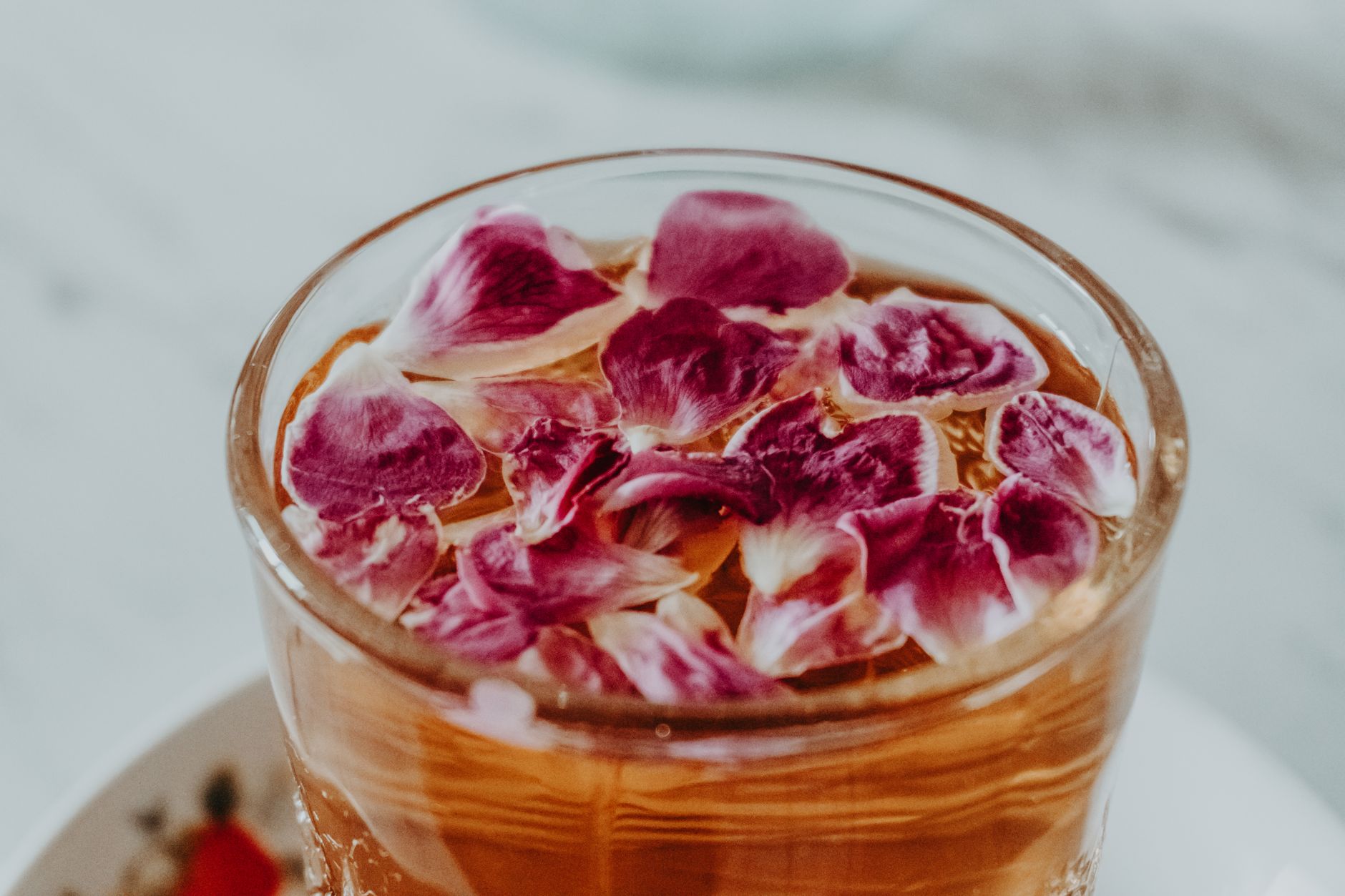
- Herbal Tea: Unsweetened herbal teas can be a comforting option and come in various flavors
- Coffee: Black coffee is typically allowed and can help curb appetite. Avoid cream, sugar, and sweeteners.
- Bone Broth: Some fasting approaches allow bone broth for its nutrients without significant calories.
- Apple Cider Vinegar Drinks: Diluted in water, it can be refreshing without breaking the fast.
- Electrolyte Drinks: Low-calorie electrolyte solutions can be helpful during prolonged fasts.
Foods You Can Have During A Fast
Specific rules govern what you can eat during fasting. While most fasts avoid solid food altogether, a few options may be acceptable depending on your fasting approach.
Bone Broth
Bone broth is rich in nutrients and can help with electrolyte balance during fasting. A single serving typically contains minimal calories and can be consumed to alleviate hunger without breaking the fast.
A Small Amount of Fruits and Vegetables
In extended fasts or certain intermittent fasting approaches, a small amount of low-calorie vegetables (like celery or cucumber) can be consumed. Fruits with high water content, such as watermelon, may be acceptable in small quantities.
Minimal-Calorie Snacks
Some fasting methods allow for very low-calorie snacks. Examples include:
- Cucumber slices
- Cherry tomatoes
- Celery sticks
However, these should be consumed sparingly, as they may trigger hunger.
How to Stay Hydrated During Fasting
Staying hydrated during fasting is crucial for reducing hunger and maintaining energy levels. Here are some tips:
- Water-Intensive Foods: Before your fast, consume foods with high water content.
- Regular Water Intake: Keep a water bottle handy and aim to drink throughout the day.
- Infused Water: If you find plain water boring, infuse it with fresh herbs or citrus.
Practical Tips for Fasting
Fasting can be challenging, but some strategies can help ease the experience:
- Start Slow: If you’re new to fasting, consider starting with shorter durations and gradually increasing.
- Stay Busy: Keeping your mind occupied can help distract from hunger.
- Breaking the Fast: Choose nutrient-rich foods when you end your fast to replenish energy levels.
Common Mistakes During Fasting
Awareness of common pitfalls can help ensure successful fasting:
- Overeating Post-Fast: Avoid the urge to binge after your fast; instead, eat a balanced meal.
- Ignoring Hydration: Neglecting to drink enough water can lead to fatigue and headaches.
- Not Listening to Your Body: Pay attention to how you feel; fasting isn’t suitable for everyone.
Kitchen Uses During Fasting
Even while fasting, being in the kitchen can be productive. Here are some useful kitchen ideas to explore:
Prepare Broths and Soups
Making homemade bone broth can be a fulfilling activity that enhances your fasting experience. It’s easy to prepare and store for when you are ready to consume it.
Infused Teas and Water
Experimenting with herbal teas or infusing water with fruits and herbs can keep your hydration interesting without adding calories.
Conclusion
Fasting can provide various benefits, but knowing what you can consume during this period is crucial for sustaining the process. From hydrating options like water and herbal teas to nutrient-rich broths, there are plenty of choices available to keep you comfortable and nourished. Planning ahead and being mindful of your body’s needs will help you successfully navigate your fasting experience. For a tasty and healthy treat, consider trying out a chia pudding recipe before or after your fasting period, or check out the benefits of chia seeds to discover how they can complement your diet.