
As your baby reaches 8 months, their dietary needs begin to evolve. At this stage, introducing a variety of foods can help your little one experience different flavors and textures. Understanding what to feed them ensures healthy growth and development while also laying the foundation for lifelong healthy eating habits.
This article explores what foods are suitable for an 8-month-old, how to prepare them, and practical serving ideas to make mealtimes enjoyable for both parents and babies.
What Can 8 Month Old Eat?
At 8 months old, babies can eat a wide variety of foods, including fruits, vegetables, grains, and protein sources. Soft, mashed, and pureed foods are typically best, allowing them to explore textures orally while minimizing choking hazards. Additionally, this is the perfect time to introduce common allergenic foods like eggs, dairy, and certain nuts.
Important Foods for an 8-Month-Old
Below is a list of food categories and examples of what you can introduce to your baby’s diet at this age, including preparation tips and serving suggestions.
1. Fruits
- Bananas: Rich in potassium, easily mashed or sliced into soft pieces.
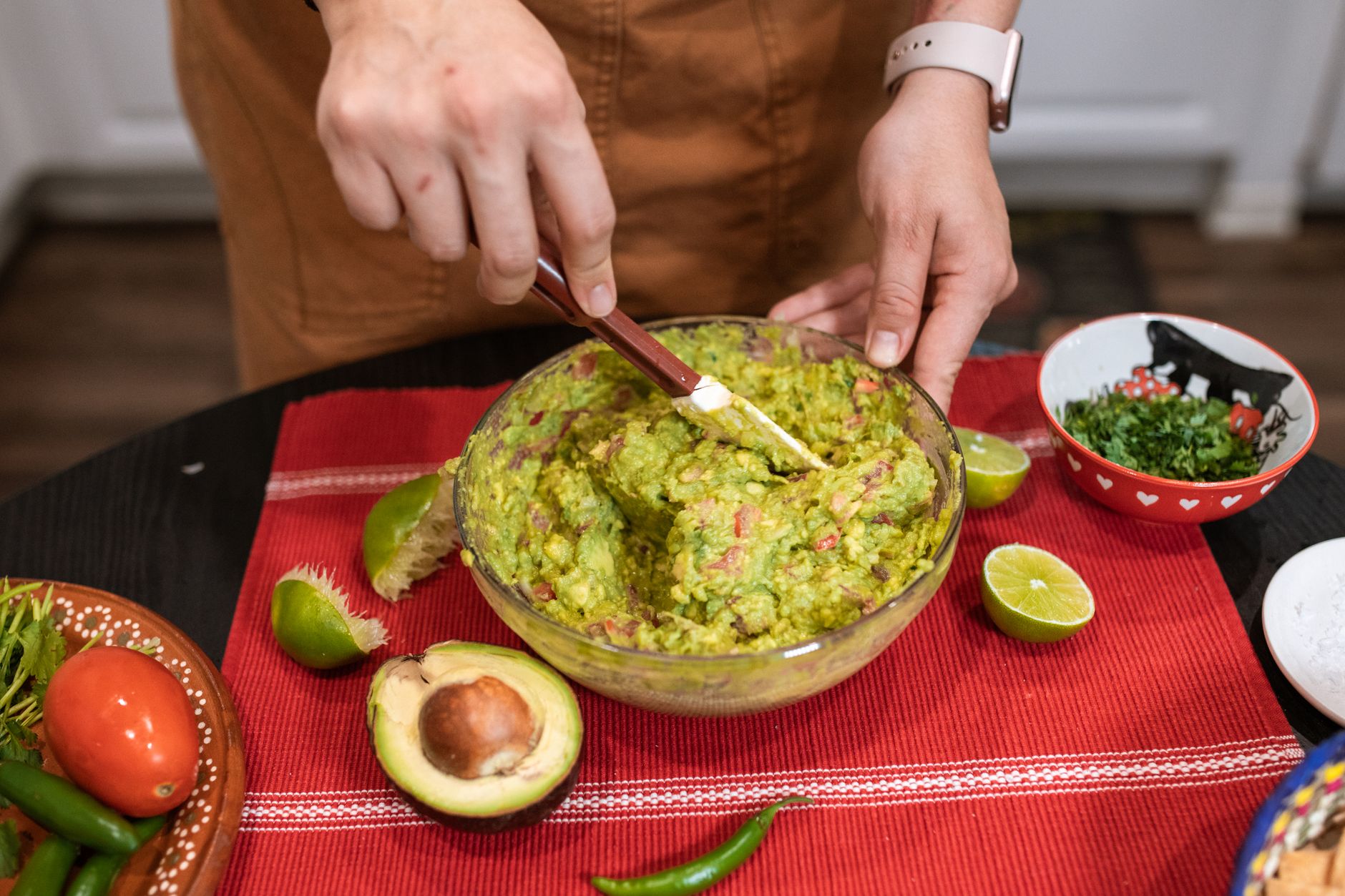
- Avocado: Creamy texture, packed with healthy fats; can be mashed or offered as wedges.
- Apples: Cooked and pureed or shredded raw; ensure they are soft and not a choking risk.
- Pears: Similar to apples, they should be cooked to soften or given in small, manageable pieces.
- Peaches: Peeled and pureed or given as mashed pieces; best enjoyed when they are ripe.
2. Vegetables
- Sweet Potatoes: A great source of vitamins, cooked, mashed, or offered in soft pieces.
- Carrots: Cooked until soft, then mashed or pureed; can also be steamed to soften.
- Broccoli: Steamed until tender and offered in small florets; nutrient-rich and easy to hold.
- Spinach: Cooked and pureed; full of iron and easy to incorporate into other dishes.
- Peas: They can be mashed or served whole if adequately cooked to soft consistency.
3. Grains
- Rice: Cooked until soft and can be pureed or fed as is; often combined with vegetables.
- Oats: Cooked oatmeal provides a hearty breakfast option; can be combined with fruits for flavors.
- Quinoa: High in protein; cook thoroughly and ensure it’s soft before serving.
- Pasta: Cook well and cut into small, manageable pieces; great with soft sauces or veggies.
- Cereals: Iron-fortified baby cereals mixed with breast milk or formula can be nutritious and filling.
4. Proteins
- Chicken: Well-cooked, finely shredded or pureed; a good protein source to help with growth.
- Fish: Avoid large fish and choose safe options like salmon; ensure it is well-cooked and deboned.
- Eggs: A great protein source; hard-boiled or scrambled eggs can be cut into small, soft pieces.
- Beans: Lentils and other soft beans, well-cooked and mashed; a good plant-based protein option.
- Dairy: Full-fat yogurt and cheeses are great; ensure no added sugar and avoid whole cow’s milk until after 1 year.
Food Preparation and Cooking Tips
When preparing food for your 8-month-old, it’s essential to ensure everything is safe, nutritious, and appropriately textured.
1. Cooking Methods
- Steaming: This method retains nutrients and softens vegetables without adding unhealthy fats.
- Boiling: Suitable for softening fruits and vegetables, making them easy to mash or puree.
- Baking: Ideal for potatoes and sweet potatoes, allowing for a soft texture without extra fats.
- Pureeing: Use a blender or food processor to create smooth textures for easier consumption.
2. Safety First
- Ensure all food is cooked thoroughly to the appropriate temperature.
- Remove any seeds, skins, or hard parts from fruits and vegetables.
- Always supervise your baby while they are eating to prevent choking.
- Introduce one new food at a time to monitor for any potential allergic reactions.
Soft Textures and Meal Ideas
Creating meals that are enjoyable and easy for your 8-month-old to eat is essential. Here are a few meal ideas combining safe foods from above:
1. Breakfast Ideas
- Mashed Banana Oatmeal: Combine cooked oatmeal with mashed banana for sweetness and nutrition.
- Egg and Avocado Toast: Softly scramble an egg and serve it on thin slices of avocado spread on whole-grain bread.
- Fruit and Yogurt: Whole-milk yogurt topped with pureed fruits like peaches or mixed berries.
2. Lunch Ideas
- Chicken and Sweet Potato Puree: Cook and blend sweet potatoes with diced and cooked chicken for a protein-packed meal.
- Vegetable & Rice Mash: Mix soft-cooked rice with finely mashed peas and carrots for a balanced dish.
- Cheesy Broccoli Pasta: Cook small pasta shapes with finely chopped broccoli and a sprinkle of cheese.
3. Dinner Ideas
- Baked Fish with Mashed Potatoes: Bake white fish until flaky and serve it alongside creamy mashed potatoes.
- Lentil Mash: Cook lentils with soft vegetables and blend into a smooth mixture for a nutritious option.
- Quinoa Salad: Combine cooked quinoa with diced soft vegetables and a splash of olive oil.
Introducing Allergenic Foods
Common allergenic foods can be introduced safely around this age. Foods like eggs, dairy, peanuts, and tree nuts are often included in early diets. Here’s how:
- Eggs: Start by introducing cooked eggs, either scrambled or hard-boiled, cut into small pieces.
- Peanut Butter: Mix a small amount of peanut butter with oatmeal or yogurt. Ensure it’s creamy and smooth to prevent choking.
- Dairy: Full-fat yogurt or soft cheeses can be introduced; ensure they are age-appropriate and avoid added sugars.
- Fish: Soft, easily chewable fish like salmon can be introduced; monitor for any reactions.
Common Mistakes to Avoid
Feeding a baby can sometimes be challenging. Here are some common pitfalls to avoid:
- Not adequately cooking foods like vegetables, which can lead to choking hazards.
- Overseasoning; limit salt and avoid added sugars in your baby’s diet.
- Offering hard foods or whole nuts; always ensure textures are soft and appropriate for a baby.
- Not observing for allergies; introducing new foods should be done one at a time to monitor reactions.
When to Avoid Certain Foods
Some foods should be avoided for children under one year old. Here are key items to keep off the menu:
- Honey: Risk of botulism is highest in babies; avoid until after their first birthday.
- Whole Nuts: Hard nuts are choking hazards for babies; wait until they can chew them adequately.
- High-Sugar Foods: Processed snacks, sugary cereals, or sweets should be avoided to prevent an early preference for sugar.
- High-Sodium Foods: Prepared and processed foods are often high in salt; maintain a low-sodium diet.
Meal Planning for Your Little One
Planning meals ahead can simplify your cooking process and ensure your baby gets a balanced diet. Here are a few planning tips:
- Batch-cook whole grains like rice and quinoa to keep in the fridge for quick meals.
- Prepare purees in advance and freeze them in small containers for easy serving.
- Keep a variety of soft fruits on hand for quick snacks or additions to meals.
- Plan meals around family dinners to introduce your baby to the same flavors in a baby-friendly way.
Storage and Reheating Guidance
Food safety is essential when preparing meals for your baby. Here are storage tips:
- Store any leftover purees or foods in airtight containers in the refrigerator. Consume within 48 hours.
- Frozen purees can last up to 3 months; simply thaw in the refrigerator before serving.
- Reheat foods thoroughly to at least 165°F (73.9°C); always check the temperature before serving.
- Avoid reheating multiple times to prevent the growth of bacteria.
Conclusion
Feeding your 8-month-old can be a joyful experience filled with taste exploration and nutrition. By introducing a variety of foods, planning meals, and ensuring proper safety practices, you can foster a love for diverse foods. Start with safe, easily digestible items and expand their diet gradually. Observe their reactions, get creative in the kitchen, and enjoy mealtime moments with your little one.
Explore related recipes and cooking tips to support your journey, including delicious chia pudding and a smooth rice pudding perfect for your baby’s palate.