
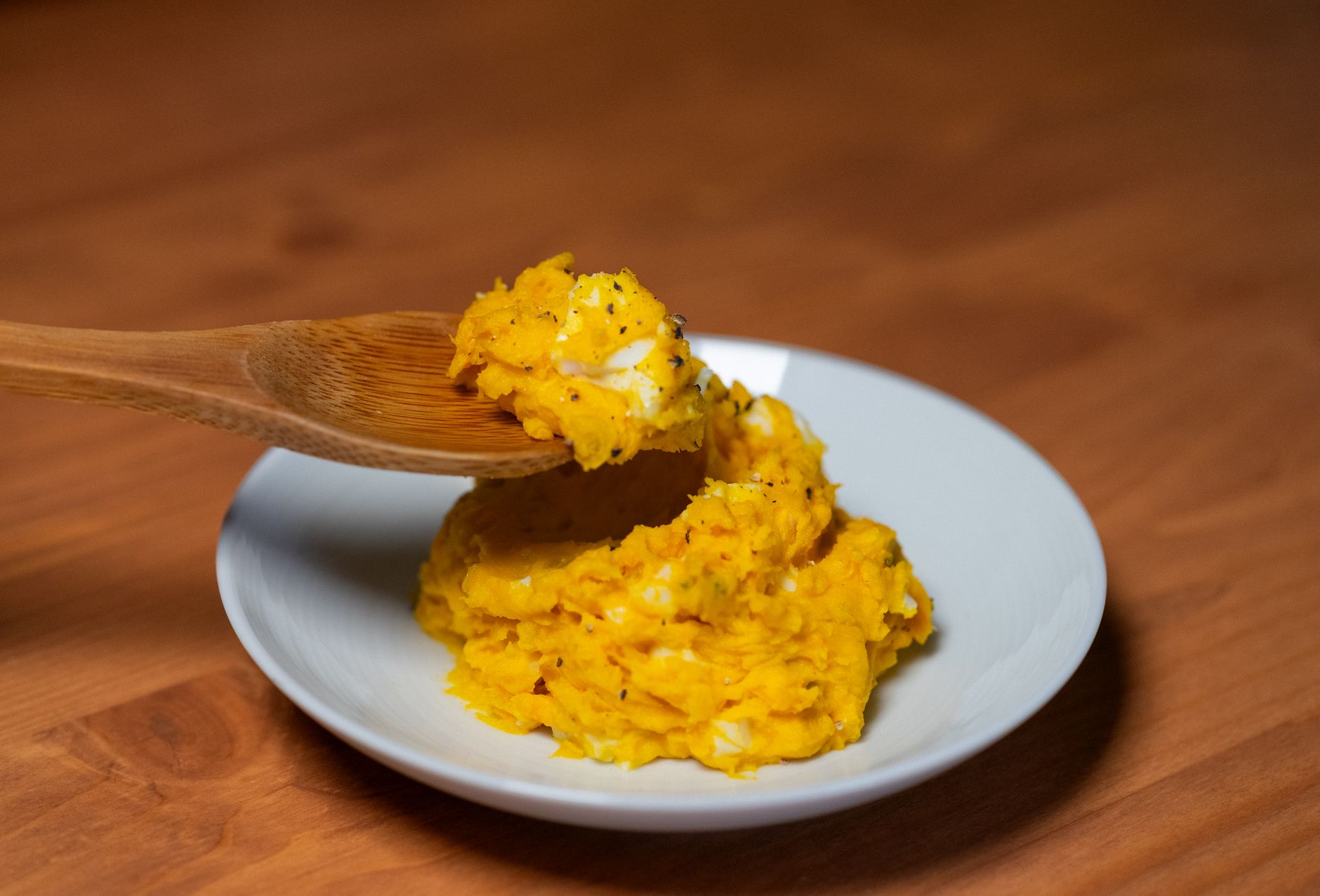
Feeding a 10-month-old baby can be an exciting yet challenging experience as they transition to more diverse foods. At this age, babies are usually ready to explore various flavors and textures, making solid food an essential part of their diet. Understanding what a 10-month-old can safely eat is crucial for their growth and development.
In this article, we will explore suitable food options, preparation methods, and safety tips for feeding your little one. You’ll find everything you need to ensure that your baby enjoys a nutritious and balanced diet.
What Can 10 Month Old Babies Eat?
At 10 months, babies can eat a variety of foods that are both nutritious and safe. This includes soft fruits, vegetables, grains, dairy, and properly cooked meats. Solid foods should be easy to chew or mash, as babies are still developing their chewing skills. It’s also important to introduce new flavors slowly to monitor for potential allergies.
Food Groups and Nutritional Needs
When planning meals for a 10-month-old, it’s essential to ensure they receive a balanced diet incorporating different food groups:
- Fruits: Offer soft, ripe varieties such as bananas, avocado, apples (cooked and mashed), and pears.
- Vegetables: Cooked vegetables like carrots, sweet potatoes, peas, and zucchini are excellent choices.
- Grains: Oatmeal, rice, quinoa, and small pasta shapes can provide essential carbohydrates and energy.
- Protein: Introduce well-cooked meats like chicken, turkey, or fish, as well as beans and lentils for plant-based options.
- Dairy: Full-fat yogurt and small amounts of cheese can provide calcium and healthy fats.
Foods to Avoid
While there are many foods appropriate for a 10-month-old, certain items should be avoided to prevent choking hazards and ensure safety:
- Honey: Do not offer honey to babies under one year due to the risk of botulism.
- Whole nuts and seeds: These pose a choking risk, so opt for nut butters instead.
- Hard or raw vegetables: These can be difficult to chew; always cook and mash or dice them appropriately.
- Foods high in salt and sugar: Avoid added salt and sugar to help promote healthy eating habits.
Sample Meal Ideas
Here are some easy meal ideas that include a variety of foods suitable for a 10-month-old:
Breakfast
- Oatmeal with Fruit: Cook oats and mix with mashed banana or applesauce.
- Yogurt and Berries: Serve full-fat yogurt topped with soft, mashed berries.
- Scrambled Eggs: Offer well-cooked and mashed scrambled eggs for protein.
Lunch
- Vegetable Puree: Combine cooked sweet potatoes, carrots, and peas for a nutritious mash.
- Soft-Cooked Pasta: Small pasta shapes with a light drizzle of olive oil and finely chopped vegetables.
- Cheese and Avocado Toast: Whole grain toast topped with thin slices of avocado and soft cheese.
Dinner
- Chicken and Rice: Serve tender, diced chicken mixed with cooked rice and peas.
- Fish and Sweet Potato: Offer flaky fish with mashed sweet potatoes for a filling meal.
- Lentil Soup: Provide a smooth lentil soup made from cooked lentils and vegetable broth.
Snacks
- Avocado Slices: Ripe avocado cut into small pieces is nutritious and easy to eat.
- Fruit Sticks: Soft fruit sticks such as pear or mango are ideal for self-feeding.
- Rice Cakes: Small, unsalted rice cakes can be a fun snack that is easy to hold.
Preparing Food for Your Baby
Preparation is key when feeding your baby. Here are some practical tips for making nutritious meals:
Cooking Techniques
- Steaming: This method helps retain nutrients and makes vegetables soft and easy to chew. Steam carrots, peas, and broccoli until tender.
- Boiling: For grains like rice and pasta, boiling is effective. Ensure they are well-cooked and soft.
- Roasting: Ovens can be used to roast vegetables; just be cautious that they cool down appropriately before serving.
Texture Considerations
At this age, babies are refining their chewing skills, so food should be soft enough to mash with their gums. Aim for:
- Purees for beginners
- Mashed foods as they progress
- Small, soft chunks for those starting to self-feed.
Introducing New Foods
As you introduce new foods, follow these guidelines:
- One at a time: Introduce one new food every 3-5 days to monitor for allergies.
- Observe reactions: Look for any signs of allergies such as rash, vomiting, or diarrhea.
- Variety is key: Offer a wide range of foods to encourage a diverse palate.
Allergy Considerations
Common allergens include eggs, dairy, peanuts, and seafood. Here’s how to handle them:
- Consult your pediatrician before introducing potentially allergenic foods.
- Start with small amounts and wait to see if any adverse reactions occur.
- Do not delay introducing allergenic foods unnecessarily, as research suggests early introduction may help reduce risk.
Making Mealtimes Enjoyable
Creating a positive mealtime environment is essential. Here are some tips:
- Eat together: Family meals can encourage your baby to try new foods and enjoy meal times.
- Use colorful utensils: Bright and playful dishes can make mealtime fun.
- Encourage exploration: Allow your baby to touch and play with their food to enhance their sensory experience.
Meal Prep and Planning
Preparing meals ahead of time can make feeding your baby convenient. Here’s how:
Batch Cooking
- Cook larger batches of grains, vegetables, or proteins and freeze them in small portions.
- Label portions with dates to ensure freshness.
- Defrost portions as needed for easy meal assembly.
Daily Meal Plan Example
| Meal | Food |
|---|---|
| Breakfast | Oatmeal with fruit, yogurt |
| Snack | Avocado slices, rice cakes |
| Lunch | Vegetable puree, soft pasta |
| Snack | Mashed banana, soft fruit sticks |
| Dinner | Chicken with rice, lentil soup |
Storage Guidelines for Baby Food
Proper storage of homemade baby food is essential for safety and freshness. Here are some key points:
- Refrigerate homemade baby food in airtight containers for up to 3 days.
- Freeze in small portions using ice cube trays for easy measuring and thawing.
- Do not refreeze thawed food; once thawed, consume it within 24 hours.
Common Mistakes to Avoid
Here are some common pitfalls to watch for when feeding a 10-month-old:
- Not cooking food thoroughly: Always ensure meats and grains are properly cooked to a safe temperature.
- Offering overly complicated dishes: Stick to simple, plain foods that are easy to digest.
- Ignoring hydration: Offer water throughout the day but avoid introducing juice until your baby is at least one year old.
Conclusion
Feeding a 10-month-old can be a delightful process filled with exploration and discovery. Providing a balanced diet will support their growth and development while exposing them to new flavors and textures. Remember to follow safety recommendations, avoid choking hazards, and create enjoyable mealtimes.
For more engaging recipes and helpful cooking tips, explore our Chia Pudding Recipe and Applesauce Cake Recipe. Happy feeding!