
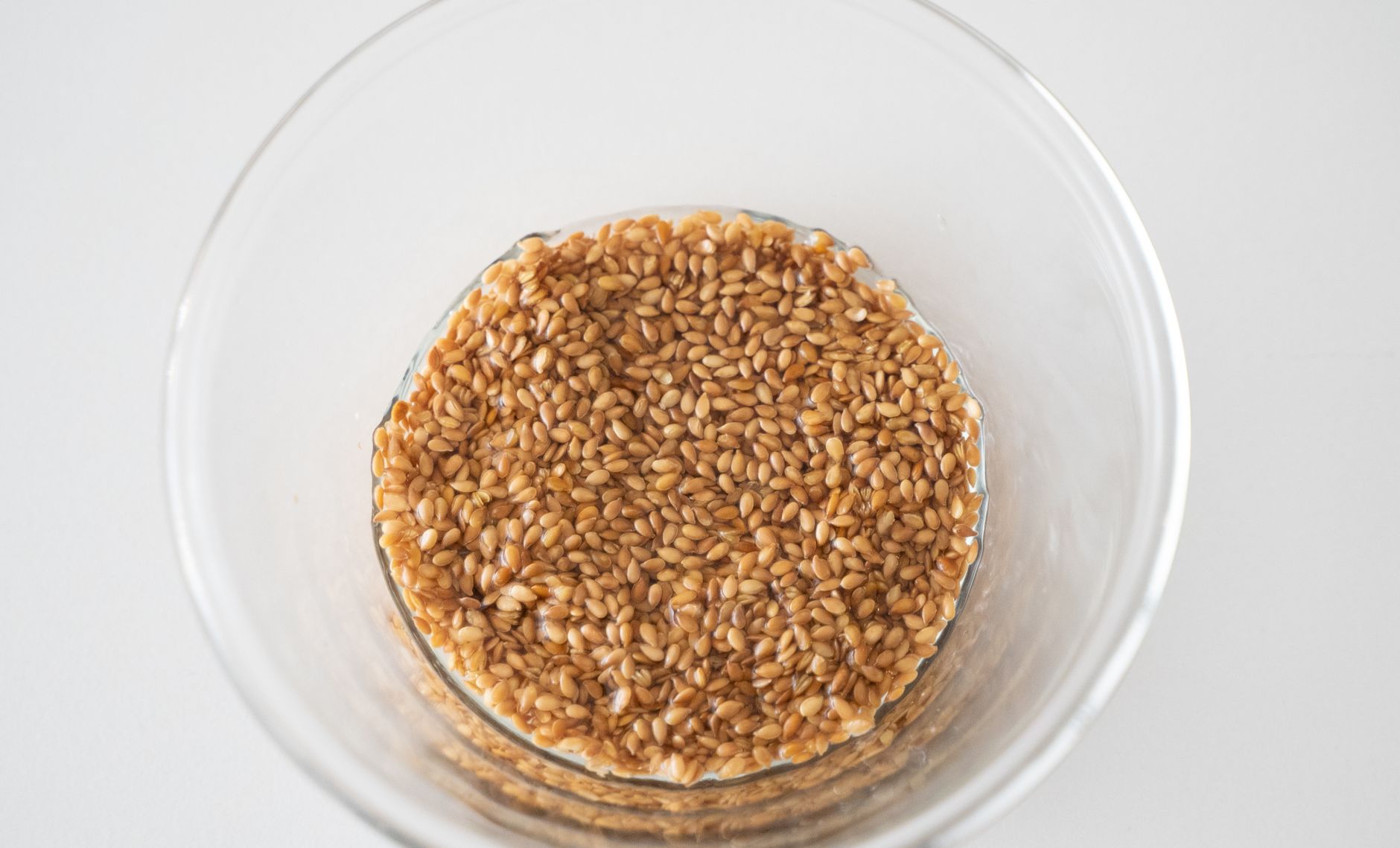
Wheat berries are whole, unprocessed kernels of wheat that are packed with nutrients and flavor. They can be a versatile addition to your diet, able to shine in various dishes, ranging from salads to hearty main courses. Understanding wheat berries can help you make the most of this ingredient, letting its natural flavor and texture contribute to your culinary creations.
In this article, we will explore what wheat berries are, their nutritional profile, culinary uses, and tips for cooking and storing them. You’ll learn how to incorporate these delicious grains into your meals and discover the best ways to enjoy them.
What Are Wheat Berries?
Wheat berries are the whole kernels of wheat, meaning they include the bran, germ, and endosperm. Unlike refined wheat products, wheat berries retain their complete nutritional value and rich flavor. They come in different varieties, including hard red, hard white, soft red, soft white, durum, and spelt, each with unique characteristics. The texture can vary, with some varieties being chewier than others.
Nutritional Profile of Wheat Berries
Wheat berries are highly nutritious. A one-cup serving of cooked wheat berries typically provides:
- Calories: 170
- Protein: 6 grams
- Fiber: 6 grams
- Carbohydrates: 36 grams
- Iron, magnesium, zinc, and several B vitamins
The high fiber content promotes digestive health, while the protein helps maintain muscle mass. Additionally, wheat berries are a good source of complex carbohydrates, providing sustained energy throughout the day.
Flavor and Texture
The flavor of wheat berries is nutty and slightly sweet, with a hearty and chewy texture. This makes them an excellent base in various dishes, providing a delightful mouthfeel. They are often likened to the taste of farro and can serve as a satisfying alternative to rice or pasta.
Culinary Uses of Wheat Berries
Wheat berries are incredibly versatile. Here are some popular culinary applications:
1. Salads
Wheat berries can add texture and nutrition to salads. Cooked, they can serve as a base for grain salads, combined with veggies, herbs, nuts, and dressings for a filling meal.
2. Soups and Stews
Adding wheat berries to soups and stews enhances both the flavor and nutrition. They can absorb the flavors of the broth and provide an exciting chewiness.
3. Grain Bowls
Grain bowls featuring wheat berries can be customized to suit varying tastes. Top them with roasted vegetables, beans, and a protein of your choice for a well-rounded meal.
4. Breakfast Dishes
Wheat berries can be a hearty breakfast option. Consider serving them warm with milk, honey, and fruit for a wholesome start to the day or adding them to granola for extra crunch.
5. Baking
Ground wheat berries can be milled into flour for baking. Whole wheat flour made from wheat berries can be used for breads, muffins, and pancakes, offering more fiber and nutrients than white flour.
Cooking Wheat Berries
Cooking wheat berries is straightforward but requires a bit of time for soaking and cooking. Here’s how to prepare them:
Ingredients
- 1 cup of wheat berries
- 3-4 cups of water or broth
- Salt (to taste)
Essential Equipment
- A large pot or saucepan
- A strainer or colander
Cooking Method
- Rinse: Rinse the wheat berries under cold water to remove any dust or debris.
- Soak (optional): Soaking wheat berries for a few hours or overnight can reduce cooking time, but it is not necessary.
- Boil: In a large pot, combine wheat berries and water or broth. Bring to a boil over high heat.
- Simmer: Reduce the heat to low and cover the pot. Let the wheat berries simmer for about 45-60 minutes or until they are tender but chewy. Add salt to taste.
- Drain: If there is excess liquid, drain the wheat berries using a strainer or colander.
- Cool: Allow them to cool slightly if using in salads or other cold dishes.
Common Mistakes when Cooking Wheat Berries
It’s easy to make mistakes when cooking wheat berries, but learning the common pitfalls can help ensure your dish turns out well:
- Ignoring soak time: While not necessary, soaking can significantly reduce cooking time, so keep it in mind.
- Not checking doneness: Different varieties of wheat berries may require varying cooking times, so taste-test them to ensure they are cooked to your liking.
- Overcooking: Cook them until they are al dente; they should be chewy rather than mushy.
Variations and Substitutions
If you don’t have wheat berries on hand, or you’re looking for other grains with similar characteristics, consider these substitutes:
- Farro: Similar in flavor and texture, farro can be cooked in the same way as wheat berries.
- Barley: A bit more chewy, barley is nutritious and can also work as a substitute.
- Quinoa: While much smaller, quinoa cooks faster and can replace wheat berries in dishes like salads and grain bowls.
Storage Tips for Wheat Berries
Storing wheat berries properly can extend their shelf life:
- Raw wheat berries: Keep in an airtight container in a cool, dry place. They can last for years if stored correctly.
- Cooked wheat berries: Store in the refrigerator for up to a week. They can also be frozen for up to three months.
Meal Planning with Wheat Berries
Incorporating wheat berries into your meal plan can add variety and nutrition. Here are some ideas:
Breakfasts
- Wheat berry porridge topped with sliced bananas and honey.
- Breakfast bowls featuring wheat berries, yogurt, and mixed berries.
Lunches
- Grain salads with seasonal vegetables, feta cheese, and balsamic vinaigrette.
- Wheat berry soup with beans and greens.
Dinners
- Wheat berry bowls with sautéed mushrooms, spinach, and a poached egg.
- Grain-based stuffed peppers with turkey, beans, and spices.
Conclusion
Understanding what wheat berries are and how to use them opens up a world of culinary possibilities. They provide excellent texture, flavor, and nutrition, making them an ideal ingredient for various dishes. Experiment with incorporating wheat berries into your meals for a filling and nutritious boost.
For more delicious recipes, consider trying a honey wheat bread recipe or exploring an einkorn bread recipe. With these, you can further diversify your grains and baking options.