
Understanding food groups is essential for making informed choices about your diet and ensuring balanced nutrition. Food groups categorize foods based on their nutrient profiles, making it easier for you to plan meals and maintain a healthy lifestyle. This article will break down each food group, detailing their benefits and how to incorporate them into your meals.
By the end of this guide, you will have a better understanding of the five main food groups, their nutritional significance, and practical tips for including a variety of foods in your diet. Whether you’re planning meals for yourself or your family, knowledge of food groups can greatly enhance your culinary experience.
What Are The Food Groups?
The five main food groups are fruits, vegetables, grains, protein foods, and dairy. Each group plays a crucial role in providing the essential nutrients your body needs to function optimally.
1. Fruits
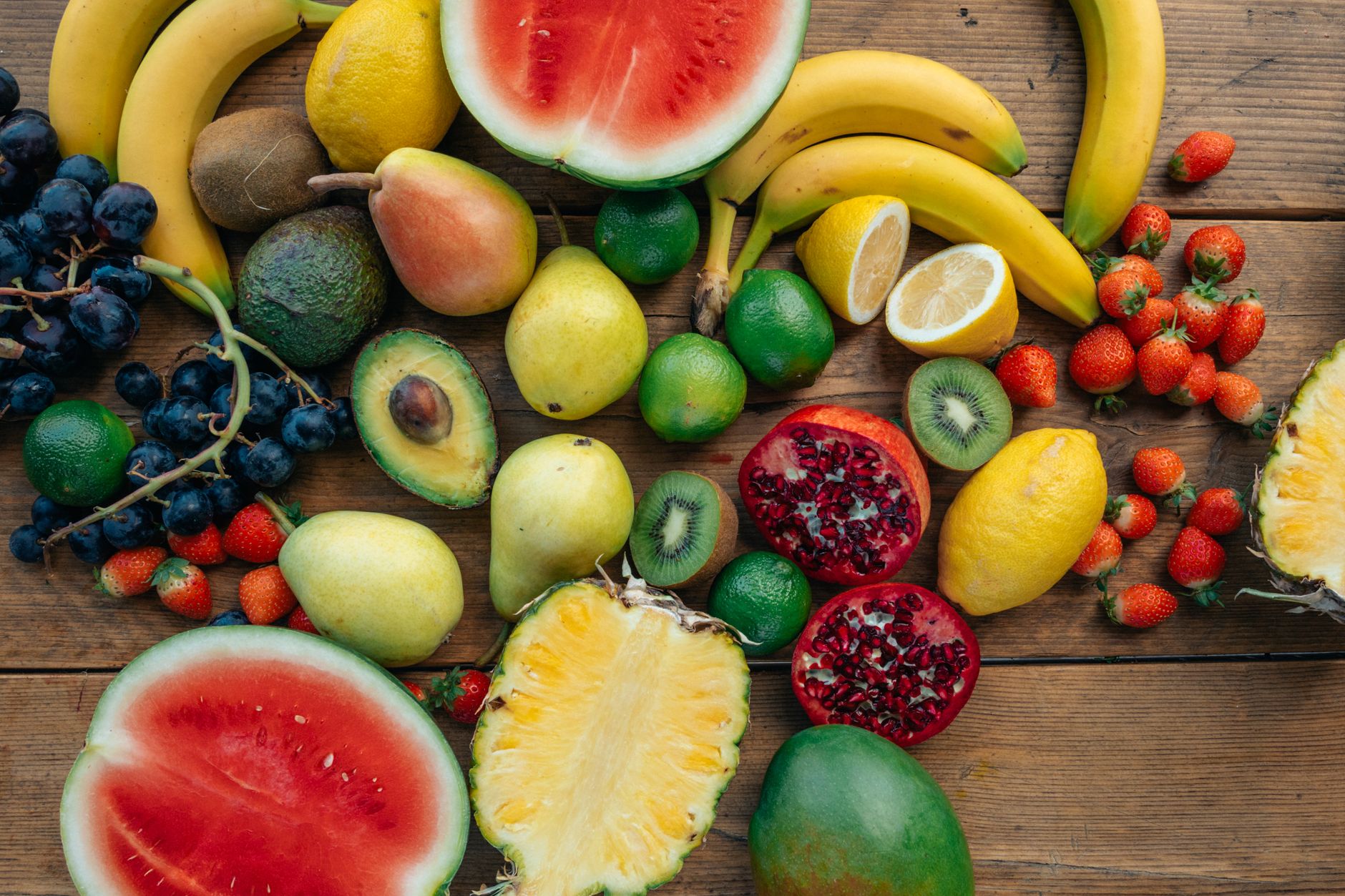
Fruits are an essential food group that provides vital vitamins, minerals, and dietary fiber. They are naturally low in calories and high in nutrients, which makes them an excellent choice for snacks and desserts.
- Health Benefits: Fruits are rich in vitamin C, potassium, and antioxidants. They can help reduce the risk of chronic diseases such as heart disease and certain cancers. The fiber in fruit aids in digestion and helps maintain a healthy weight.
- Variety: Fruits come in many forms—fresh, frozen, dried, and canned (in juice or water). Include a diverse range of colors in your fruit selection to maximize nutrient intake.
- Incorporation: Add fruits to smoothies, oatmeal, or yogurt. They can also be used in salads or as a natural sweetener in baking.
2. Vegetables
Vegetables are another crucial part of a balanced diet. They provide essential vitamins, minerals, and fiber, all while being typically low in calories. Like fruits, they also come in various forms and preparations.
- Health Benefits: Vegetables are a significant source of vitamins A, C, and K, as well as folate and potassium. Including vegetables in your diet can help maintain good health and prevent diseases.
- Variety: Aim to consume a mix of leafy greens (like spinach and kale), cruciferous vegetables (like broccoli and cauliflower), root vegetables (like carrots and beets), and starchy vegetables (like potatoes and corn).
- Incorporation: Try stir-frying, roasting, or steaming vegetables. Add them to soups, stews, or salads, or use them as toppings on pizzas and in wraps.
3. Grains
Grains are primarily a source of carbohydrates, providing energy and essential nutrients like B vitamins and iron. There are two main types: whole grains and refined grains.
- Health Benefits: Whole grains contain more fiber and nutrients compared to refined grains, which have been processed to remove the bran and germ. Consuming whole grains can lower the risk of heart disease and type 2 diabetes.
- Variety: Include a range of whole grains in your diet, such as brown rice, quinoa, barley, whole wheat bread, and oats. Limit refined grains like white bread and pastries.
- Incorporation: Use whole grains as the base for salads or bowls. Replace refined pasta with whole-grain options and choose brown rice over white rice.
4. Protein Foods
This food group encompasses a variety of muscle-building foods, including meat, poultry, fish, eggs, nuts, beans, and legumes. Protein is essential for growth, repair, and overall health.
- Health Benefits: Protein is crucial for building and repairing tissues, and it plays an essential role in the production of hormones and enzymes. Choosing lean protein sources can also help manage weight.
- Variety: Rotate between animal-based proteins (like chicken and fish) and plant-based options (like lentils, chickpeas, and nuts) to balance your diet.
- Incorporation: Incorporate protein into every meal—add beans to salads, sprinkle nuts on oatmeal, or use ground turkey in stir-fries.
5. Dairy
Dairy products are vital for providing calcium, vitamin D, and protein. While dairy is often associated with milk, it also includes yogurt, cheese, and alternatives like almond and soy milk.
- Health Benefits: A diet rich in dairy is linked to strong bones and teeth, as well as the prevention of osteoporosis. Choose low-fat or fat-free options for a healthier choice.
- Variety: Dairy alternatives should be fortified with calcium and vitamin D if you’re not consuming traditional dairy products. Options like almond milk, coconut yogurt, or cashew cheese can be included.
- Incorporation: Use dairy products in smoothies, as toppings for fruits or cereals, or incorporate them into sauces and dressings.
Food Group Combinations
Combining foods from different food groups can create nutrient-dense meals. For example, a well-balanced meal could be grilled chicken (protein), quinoa (grains), steamed broccoli (vegetables), and a side of fruit, such as mixed berries. Here are some ideas for combining food groups:
- Breakfast: Oatmeal topped with fresh fruit and a sprinkle of nuts.
- Lunch: A salad with mixed greens, roasted vegetables, chickpeas, and a yogurt-based dressing.
- Dinner: Quinoa stuffed peppers with black beans, topped with cheese and served with a side of avocado.
- Snacks: An apple with almond butter or carrot sticks with hummus.
Understanding Nutritional Labels
Reading nutritional labels is essential for understanding what you’re consuming and how it fits into the food groups. Here’s how to evaluate labels effectively:
- Serving Size: Always check the serving size to see how many servings are in the package and adjust your intake accordingly.
- Calories: Understand how many calories you need in a day and how a food fits into your daily allowance.
- Nutrients: Look for foods high in dietary fiber, vitamins, and minerals, while keeping an eye on sugar, sodium, and unhealthy fats.
Practical Tips for Meal Planning
Planning meals around food groups helps ensure a balanced diet. Here are practical steps for effective meal planning:
- Determine your needs: Assess your dietary preferences and health goals to establish a guideline.
- Choose a variety of foods: Select foods from all five food groups to include in your meal plan.
- Make a grocery list: Create a comprehensive list based on your meal plan, ensuring you have all the necessary ingredients.
- Prep in advance: Consider batch cooking or prepping ingredients ahead of time to streamline meal preparation during the week.
- Be flexible: Adjust your meal planning based on seasonal ingredients or what you already have at home to minimize waste.
Common Mistakes to Avoid
As you navigate the food groups, here are some common mistakes to watch out for:
- Overlooking portion sizes: Be mindful of how much you’re eating, as larger portions can lead to consuming excess calories.
- Neglecting variety: Eating the same foods repeatedly can lead to nutrient deficiencies; strive to include a diverse range of options.
- Focusing on one food group: Don’t overly concentrate on one group; balance is key to a healthy diet.
Conclusion
Understanding food groups is vital for creating balanced meals that nourish your body. By incorporating a variety of fruits, vegetables, grains, protein foods, and dairy (or suitable alternatives), you can support your health and make nutritious meal choices easier. Start by planning your meals with these guidelines in mind for a colorful, diverse, and satisfying diet.
Explore further by checking out articles on the benefits of chia seeds or discovering how much protein is in spinach to enhance your dietary knowledge.