
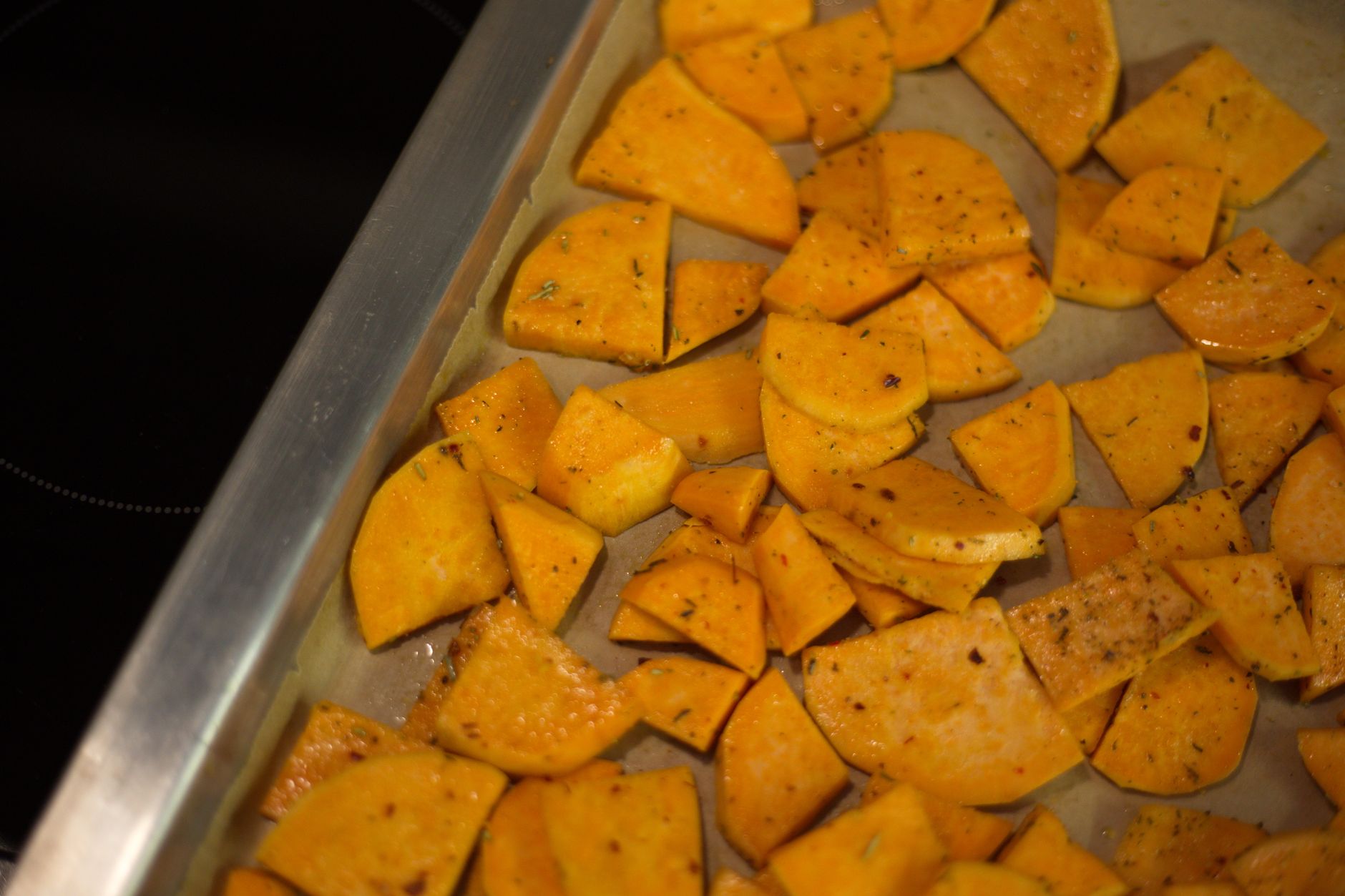
Sweet potatoes are not just a versatile ingredient; they offer a myriad of nutritional benefits and culinary uses that can enhance any meal plan. From creamy soups to hearty casseroles and even desserts, sweet potatoes are packed with flavor, nutrition, and adaptability.
In this article, we will explore the numerous benefits of sweet potatoes, how to select and prepare them, and creative ways to incorporate them into your daily meals. Whether you’re looking to boost your diet or enjoy delicious dishes, sweet potatoes are the perfect addition.
What Are Sweet Potatoes Good For?
Sweet potatoes are excellent sources of vitamins A and C, fiber, and antioxidants. They help improve digestive health, support immune function, and provide energy. Their versatility in cooking makes them suitable for various dishes, from savory to sweet.
Nutritional Benefits of Sweet Potatoes
Sweet potatoes boast a rich nutrient profile that makes them an essential food for overall health. Their unique combination of vitamins, minerals, and dietary fiber can contribute significantly to a healthy diet.
High in Nutrients
- Vitamin A: Sweet potatoes are particularly high in beta-carotene, which the body converts to vitamin A. This nutrient is crucial for maintaining good vision, skin health, and immune function.
- Vitamin C: Sweet potatoes provide a healthy dose of vitamin C, which acts as an antioxidant and supports the immune system.
- Potassium: This mineral helps regulate blood pressure and supports muscle and nerve function.
- Dietary Fiber: High fiber content promotes healthy digestion and can help prevent constipation.
Antioxidant Properties
The antioxidants in sweet potatoes, including anthocyanins and other flavonoids, help combat oxidative stress in the body, reducing inflammation and potentially lowering the risk of chronic diseases.
Energy-Promoting Complex Carbohydrates
Sweet potatoes are an excellent source of complex carbohydrates, which provide sustained energy. They’re an ideal food choice for athletes and active individuals.
Types of Sweet Potatoes
Understanding the different types of sweet potatoes can help you select the best option for your cooking needs. There are two main varieties: orange and purple, each with its unique flavor and nutritional profile.
Orange Sweet Potatoes
These sweet potatoes have a smooth, orange flesh and are the most common type. They are sweeter in flavor and are often used in recipes like mashed sweet potatoes and pies.
Purple Sweet Potatoes
Purple sweet potatoes have a distinct purple skin and flesh. They are rich in antioxidants and have a nuttier flavor compared to their orange counterparts.
Choosing and Storing Sweet Potatoes
Choosing the right sweet potato and knowing how to store them can enhance their shelf life and maintain their nutritional value.
Selecting Sweet Potatoes
When selecting sweet potatoes, look for firm and smooth skin free of blemishes or soft spots. The skin color, whether orange or purple, should be vibrant and healthy.
Storing Sweet Potatoes
- Store sweet potatoes in a cool, dark, and well-ventilated place, ideally at room temperature.
- Avoid refrigeration, as cold temperatures can alter their flavor and texture.
- Use them within a week to two weeks for optimal freshness.
Cooking Techniques for Sweet Potatoes
Sweet potatoes can be prepared using various cooking methods, each bringing out different flavors and textures. Here are some popular techniques:
Boiling
Boiling is a straightforward method for cooking sweet potatoes. It makes them tender and is a great option for mashing or making purees.
- Peel and cut sweet potatoes into uniform chunks.
- Place them in a pot and cover with water.
- Bring to a boil, then reduce to a simmer until tender, about 15-20 minutes.
Roasting
Roasting sweet potatoes enhances their natural sweetness and an appealing caramelized flavor.
- Preheat the oven to 425°F (220°C).
- Wash and dry the sweet potatoes, cutting them into wedges or cubes.
- Toss them in olive oil, salt, and your choice of spices.
- Spread them out on a baking sheet and roast for 25-30 minutes, flipping halfway.
Mashed Sweet Potatoes
Mashed sweet potatoes make a creamy and versatile side dish. You can adjust the recipe to include butter, milk, or spices.
- Boil or roast sweet potatoes until tender.
- Drain (if boiling) and mash with a potato masher or fork.
- Add butter, milk, salt, and pepper to taste, mixing until smooth and creamy.
Delicious Sweet Potato Recipes
Sweet potatoes can shine in many dishes, from starters to desserts. Here are some recipes to inspire you:
Sweet Potato Cornbread
This sweet potato cornbread is a delightful twist on classic cornbread. It’s sweet, moist, and perfect for pairing with savory dishes.
- Yield: 8 servings
- Preparation time: 15 minutes
- Cooking time: 25 minutes
- Total time: 40 minutes
For the recipe, visit Sweet Potato Cornbread Recipe.
White Sweet Potato Fries
These fries are crispy, flavorful, and a unique alternative to classic potato fries.
- Yield: 4 servings
- Preparation time: 10 minutes
- Cooking time: 30 minutes
- Total time: 40 minutes
For the recipe, visit White Sweet Potato Recipe.
Sweet Potatoes in Meal Planning
Including sweet potatoes in your meal planning can be beneficial for health-conscious individuals. Their versatility allows you to incorporate them into various meal types.
Breakfast Ideas
- Sweet potato hash with eggs and vegetables
- Smoothies with mashed sweet potato for added creaminess
- Sweet potato pancakes for a hearty breakfast option
Lunch Options
- Roasted sweet potato salad with greens and chickpeas
- Sweet potato and black bean tacos
- Pureed sweet potato soup with spices
Dinner Choices
- Baked sweet potatoes stuffed with quinoa and vegetables
- Sweet potato casserole topped with marshmallows or nuts
- Grilled sweet potato slices as a side dish
Common Mistakes When Cooking Sweet Potatoes
When preparing sweet potatoes, there are some common pitfalls to avoid:
- Overcooking: Sweet potatoes can become mushy if overcooked. Keep an eye on them to ensure they maintain some texture.
- Under-seasoning: Sweet potatoes need seasoning to enhance their natural sweetness. Don’t forget to add salt, spices, or herbs.
- Not using skin: Sweet potato peels are nutritious! Consider leaving the skin on when roasting or baking for added fiber.
Storage and Reheating
Properly storing sweet potatoes once cooked is essential to keep them fresh and delicious.
Storing Cooked Sweet Potatoes
- Store cooked sweet potatoes in an airtight container in the refrigerator for up to five days.
- For longer storage, consider freezing mashed sweet potatoes in a freezer-safe container.
Reheating Cooked Sweet Potatoes
To reheat sweet potatoes, place them in the microwave for quick results or in the oven for a crispier texture. If using the oven, preheat to 350°F (175°C) and heat for about 10-15 minutes.
Final Thoughts
Sweet potatoes offer a wealth of benefits and adaptability in cooking. Whether you’re roasting them, making them into fries, or incorporating them in your breakfast, they are a nutritious and flavorful addition to any meal.
Consider adding sweet potatoes to your meal planning for a healthy boost. Explore further with options like sweet potato cornbread or white sweet potato fries for delicious variations in your cooking repertoire.