
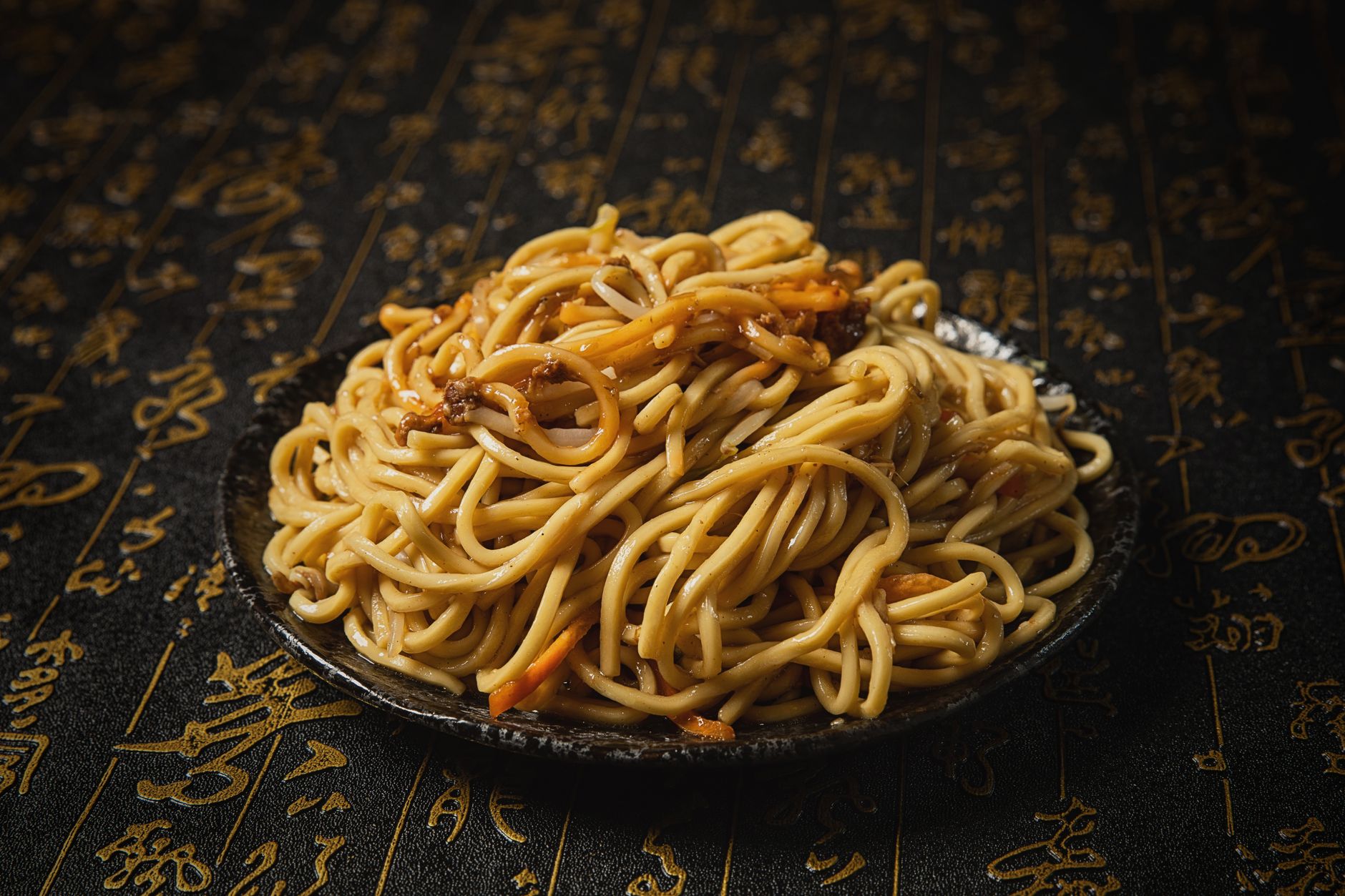
Shanghai noodles, a staple in many Chinese households, are thick, chewy wheat noodles known for their versatility and distinct texture. Often used in stir-fries or soups, these noodles offer a delightful bite that can complement a wide variety of ingredients.
Let’s dive into what makes Shanghai noodles unique, their flavor profile, and how they can be utilized in the kitchen for creating tasty meals.
What Are Shanghai Noodles?
Shanghai noodles are flat, wide noodles that are typically made from wheat flour and water. They have a similar appearance to udon noodles but are narrower and thicker than traditional egg noodles. The texture is chewy, making them ideal for soaking up flavors in dishes.
Commonly associated with Shanghai cuisine, these noodles are often stir-fried with vegetables, meats, and sauces, but they can also be served in broths or cold salads.
Taste and Texture of Shanghai Noodles
The flavor of Shanghai noodles is neutral, which allows them to absorb the flavors of accompanying sauces and ingredients effectively. They have a pleasant, chewy texture that holds up well during cooking, making them a favored choice among chefs and home cooks alike.
Characteristics of Shanghai Noodles
- Texture: Chewy and firm, providing a satisfying bite.
- Flavor: Mild and adaptable, pairs well with various seasonings and ingredients.
- Appearance: Typically white or beige, with a slightly glossy surface after cooking.
Different Types of Shanghai Noodles
While the term “Shanghai noodles” often refers to the wide, flat style, there are variations to explore:
- Chao Mian: Stir-fried Shanghai noodles that usually include meat, vegetables, and soy sauce.
- Xiao Long Bao Mian: A thicker version often found in dumpling dishes, known for its substantial texture.
- Shanghai Fried Noodles: Made in the same style, these noodles are often combined with dark soy sauce, creating a slightly sweeter flavor.
How to Cook Shanghai Noodles
Cooking Shanghai noodles is relatively straightforward, but some methods yield better results depending on the dish being prepared. Below is a basic guide to cooking them properly:
Ingredients for Cooking Shanghai Noodles
- Shanghai noodles (fresh or dried)
- Water (for boiling)
- Salt (optional, for pasta cooking water)
Cooking Method
- Boil Water: In a large pot, bring enough water to cover the noodles to a rolling boil. Add a pinch of salt if desired.
- Add Noodles: If using fresh Shanghai noodles, cook them for about 2-3 minutes. For dried noodles, check the package instructions for cooking times, usually around 5-8 minutes.
- Check for Doneness: The noodles should be tender but still firm (al dente) when done. Drain the noodles in a colander and rinse under cold water to stop the cooking process.
- Use as Desired: Serve with your favorite sauces, stir-fries, or soups.
Kitchen Uses for Shanghai Noodles
Shanghai noodles can be used in various dishes, thanks to their unique texture and flavor. Here are some popular ways to incorporate them into your cooking:
1. Stir-Fried Dishes
One of the most common uses for Shanghai noodles is in stir-fry recipes. They pair well with vegetables and proteins, allowing for a satisfying and hearty meal.
- Try tossing them with sliced bell peppers, bok choy, shiitake mushrooms, and your choice of protein (chicken, beef, or tofu) for a delicious stir-fry.
- Enhance the flavor with soy sauce, oyster sauce, and sesame oil.
2. Soups and Broths
Shanghai noodles can also be a fantastic addition to soups. Their chewy texture helps them hold up in broth-based dishes without becoming mushy.
- Add them to a simple broth with chicken or vegetable stock, along with garlic, ginger, and green onions for a comforting soup.
- Combine with sliced meat and vegetables, simmer until heated through, and serve hot.
3. Cold Noodle Salads
For a refreshing dish, consider using Shanghai noodles in a cold noodle salad. This is especially appealing in warmer weather.
- Toss cooked and chilled noodles with cucumber, carrots, and bell peppers in a vinaigrette or sesame dressing.
- Add roasted peanuts or sesame seeds for added crunch and flavor.
4. As a Side Dish
Shanghai noodles can be served as a side dish, complementing various Asian-style meals.
- Pair with grilled meats or seafood for a balanced dinner.
- Drizzle with soy sauce or chili oil for added flavor.
Practical Substitutions for Shanghai Noodles
If you can’t find Shanghai noodles, there are several alternatives you can use. However, keep in mind that the texture and flavor may vary:
- Udon Noodles: A closer substitute, udon noodles are thick and chewy, making them suitable for stir-fries and soups.
- Egg Noodles: These are lighter and may not hold sauces as well, but they can be used in a pinch.
- Rice Noodles: While gluten-free, rice noodles provide a different texture but can be adapted for soups and salads.
Common Mistakes When Cooking Shanghai Noodles
While cooking Shanghai noodles is generally simple, there are some common mistakes to avoid:
- Overcooking: Ensure you monitor cooking times closely. Overcooked noodles can become mushy and lose their desirable texture.
- Not Rinsing: Rinse the noodles after boiling to prevent them from sticking together.
- Using Too Much Liquid: When adding to stir-fries or soups, avoid excessive liquid, as this can lead to a watery dish.
Storage and Reheating of Shanghai Noodles
If you have leftover Shanghai noodles, proper storage and reheating methods are vital to maintain their quality:
Storage Guidelines
- Refrigerate leftover cooked noodles in an airtight container for up to 3 days.
- For longer storage, consider freezing noodles; however, they may lose some texture upon thawing.
Reheating Methods
- Microwave: Place noodles in a microwave-safe container with a splash of water and cover. Heat in intervals, stirring occasionally until warmed through.
- Stovetop: In a non-stick skillet, add a bit of oil over medium heat, and stir-fry the noodles for a few minutes until hot.
Summary
Shanghai noodles are a delicious and versatile ingredient that can enhance many dishes. Their unique chewy texture, coupled with a mild flavor, allows for endless culinary creativity.
From hearty stir-fries to comforting soups or refreshing salads, these noodles are a worthwhile addition to your grocery list.
To keep exploring the world of noodles and Chinese cuisine, consider checking out our detailed guides on chow fun and beef lo mein recipes.