
Sand dabs are a type of flatfish found along the Pacific coast of North America, particularly in waters ranging from northern California to Alaska. Renowned for their delicate flavor and tender texture, these fish are often overlooked but are a cherished catch among many fish enthusiasts and chefs.
This guide will explore everything you should know about sand dabs, including their flavor profile, culinary uses, how to choose and prepare them, and serving suggestions. Whether you are a seasoned chef or a home cook looking to expand your knowledge, understanding sand dabs can elevate your seafood dishes.
What Are Sand Dabs?
Sand dabs belong to the flatfish family, specifically the genus *Citharichthys*. They are small, oval-shaped fish that typically weigh between one to two pounds and measure about eight to twelve inches in length. They have a unique and flavorful profile, making them a great addition to various recipes.
These fish are commonly found in sandy or muddy substrates where they can bury themselves and camouflage effectively. They are known for their sweet, mild taste, which makes them a favorite in many culinary applications.
Flavor Profile of Sand Dabs
The flavor of sand dabs is mild and slightly sweet, akin to other types of flatfish like halibut or sole. Their flesh is delicate and tender, making them easy to cook and great for various preparations. The fish offers a light, flaky texture that becomes buttery when cooked properly.
What distinguishes sand dabs from other fish is their unique combination of subtle sweetness and earthy notes that pair well with a variety of herbs and sauces, making them highly versatile.
How to Choose Fresh Sand Dabs
Selecting fresh sand dabs is crucial for ensuring the best flavors and textures in your dishes. Here are some key factors to consider when purchasing these fish:
- Appearance: Look for sand dabs with shiny, moist skin. The eyes should be clear and bulging, indicating freshness. Avoid fish with dull skin or sunken eyes.
- Odor: Fresh sand dabs should have a mild, briny scent. A strong fishy smell indicates that the fish may not be fresh.
- Texture: The flesh should feel firm and resilient. If the flesh leaves an indentation when pressed, it may be past its prime.
- Source: Purchase from reputable fishmongers or markets that prioritize sustainability and quality.
Preparing Sand Dabs
Before cooking, it’s essential to prepare sand dabs properly. Here’s a step-by-step guide:
- Cleaning: Rinse the sand dabs under cold water to remove any sand or debris.
- Scaling: Use a fish scaler or the back of a knife to remove any scales. This may not be necessary if the fish are filleted.
- Filleting: If desired, fillet the sand dabs by making a cut behind the head and following the backbone down to the tail. Use a sharp knife to carefully remove the flesh from the skin.
- Cooking Prep: Pat dry with paper towels before marinating or seasoning. This ensures the fish can brown properly when cooked.
Cooking Techniques for Sand Dabs
Sand dabs can be cooked in various ways, each highlighting their delicate flavor. Here are some popular cooking techniques:
Pan-Frying
Pan-frying is one of the most common methods for cooking sand dabs, allowing the fish to develop a crispy exterior while maintaining a tender interior.
- Season fillets with salt and pepper, then coat lightly in flour for added crispiness.
- Heat a tablespoon of oil or butter in a skillet over medium-high heat.
- Add the sand dab fillets, cooking for 2 to 3 minutes on each side or until golden brown and cooked through.
- Serve immediately with a squeeze of lemon for a fresh touch.
Baking
Baking is a healthy cooking method that locks in moisture and allows for a more hands-off approach.
- Preheat your oven to 375°F (190°C).
- Line a baking dish with parchment paper or lightly grease it.
- Place sand dabs in the dish and season with salt, pepper, and herbs of your choice.
- Squeeze fresh lemon juice over the fillets and bake for about 15 to 20 minutes, or until the fish flakes easily with a fork.
Grilling
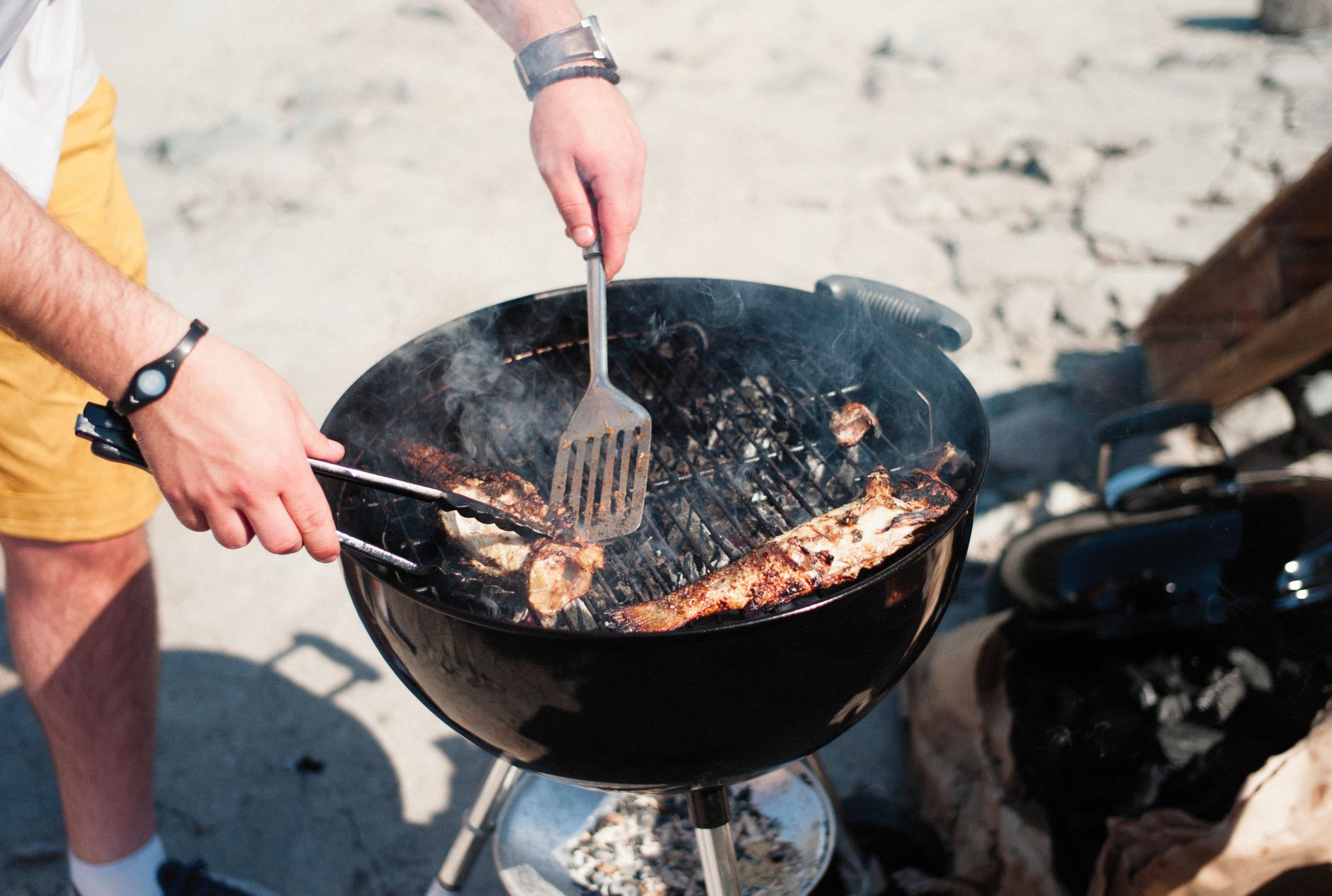
Grilling adds a smoky flavor to sand dabs that can enhance their sweetness.
- Preheat the grill to medium heat and oil the grates to prevent sticking.
- Season the sand dabs with salt, pepper, and olive oil.
- Place the fillets on the grill, cooking for about 3 to 4 minutes on each side, depending on thickness.
- Serve with a fresh salsa or herb sauce for extra flavor.
Serving Suggestions for Sand Dabs
Sand dabs are incredibly versatile and pair well with various accompaniments. Some common serving suggestions include:
- Herb Butter: A simple compound butter made with herbs such as parsley, chives, or dill elevates the dish.
- Lemon Caper Sauce: A light sauce using butter, capers, and lemon juice complements the fish’s sweetness.
- Seasonal Vegetables: Serve alongside roasted or sautéed seasonal vegetables for a complete meal.
- Grains: Pair with rice, quinoa, or couscous to round out the meal and soak up the flavors.
Common Mistakes when Cooking Sand Dabs
Cooking sand dabs can seem straightforward, but some common mistakes can detract from the final outcome:
- Overcooking: Sand dabs cook quickly due to their delicate flesh. Overcooking can lead to dryness. Monitor closely, aiming for an internal temperature of 145°F (63°C).
- Ignoring Freshness: Always use the freshest fish available. Stale or previously frozen fillets won’t yield the same flavor or texture.
- Inconsistent Seasoning: Mild sand dabs benefit from proper seasoning. Don’t be afraid to season liberally, but do it in moderation to preserve the delicate flavors.
Storage and Reheating of Sand Dabs
Proper storage is important for maintaining the quality of sand dabs. Here’s how to store them:
- Refrigerating: Store fresh sand dabs in the coldest part of the refrigerator, wrapped in plastic wrap or wax paper for up to two days.
- Freezing: If not used within two days, sand dabs can be frozen. Pack them in airtight containers or freezer bags to prevent freezer burn, where they can last for up to three months.
Reheating cooked sand dabs can be challenging, as they can dry out. Consider these tips for best results:
- Oven Reheating: Preheat your oven to 300°F (150°C). Place the fish on a baking sheet and cover loosely with foil. Heat until warmed through, about 10-15 minutes.
- Skillet Reheating: Use low heat and add a small amount of butter or oil to prevent sticking. Heat gently while watching closely to prevent overcooking.
Possible Substitutions and Variations
Though sand dabs are delightful on their own, you can experiment with them using other ingredients or techniques. Consider these substitutions and variations:
- Other Flatfish: If sand dabs are unavailable, you can use other flatfish varieties like sole or plaice, which have similar flavors and textures.
- Different Cooking Oils: Experiment with different cooking fats such as ghee, coconut oil, or flavored olive oils to add unique flavors.
- Herbs and Seasonings: Switch up the herbs and spices based on the dish. Dill, thyme, or cilantro can provide contrasting flavors.
Health Benefits of Sand Dabs
In addition to their delicious flavor, sand dabs are a healthy seafood option. They are low in calories and high in protein, making them a great choice for a balanced diet.
Sand dabs are also a good source of omega-3 fatty acids, which are known for supporting heart health and reducing inflammation. Choosing fish over red meat as a protein source can contribute to overall better health.
Understanding what sand dabs are and how to cook them can transform your approach to seafood dishes. Their delicate flavor, easy preparation, and versatile serving possibilities make them an exciting choice for home cooking. Try them out in different recipes and let their natural sweetness shine.
Explore more delicious seafood options or cooking techniques to enrich your dining experience. Whether you’re looking for recipes or detailed cooking methods, there are endless possibilities to discover. Check out our other articles for insights into various ingredients and cooking styles.