
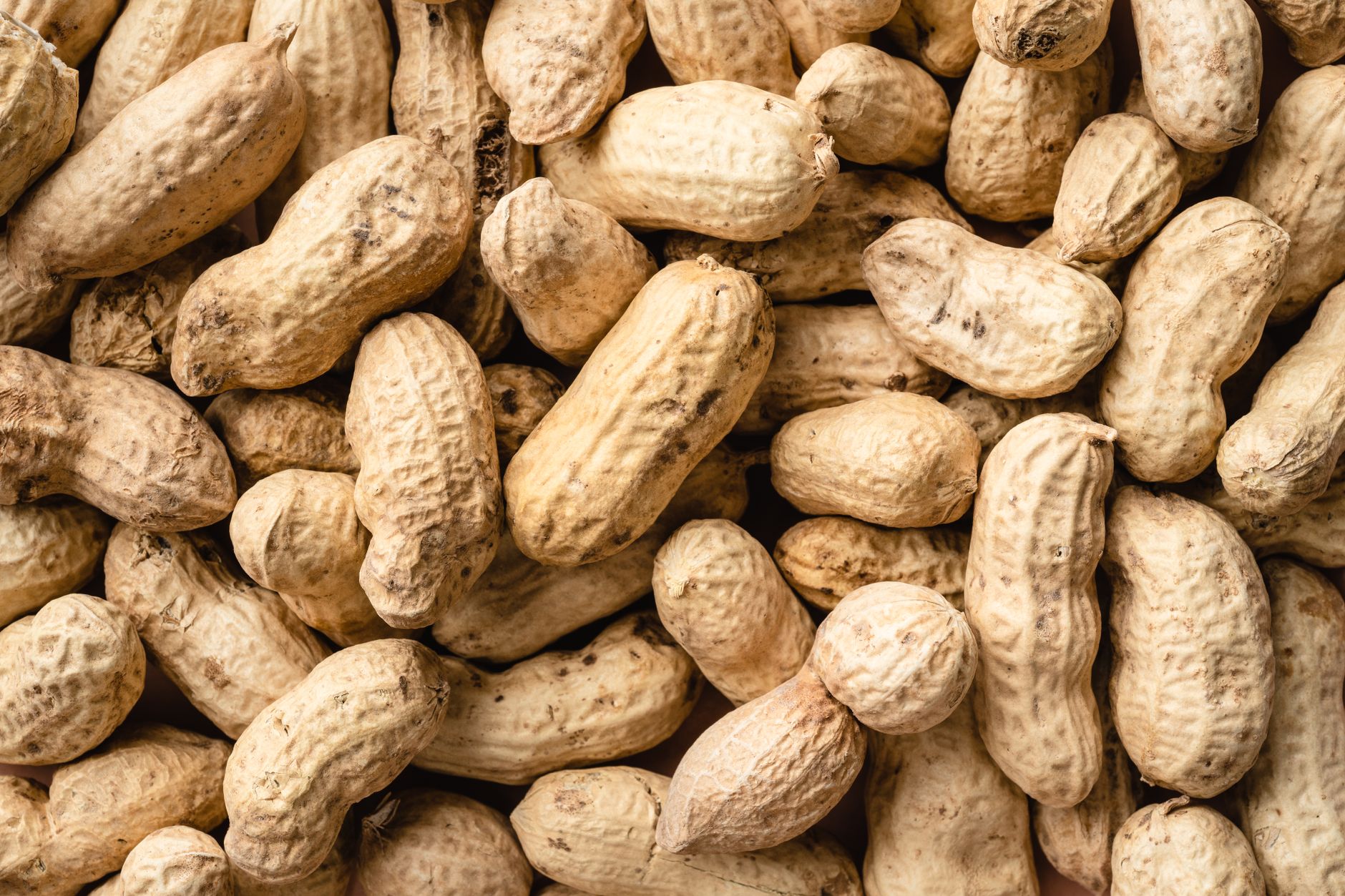
Peanuts are a popular legume, widely enjoyed for their distinct flavor and versatility in various dishes. They are often consumed as snacks, transformed into creamy peanut butter, or used as an ingredient in numerous recipes. Understanding peanuts—from their ingredients and flavor to serving suggestions—can elevate your culinary experience and inspire creativity in the kitchen.
This article breaks down everything you need to know about peanuts, including their key components, flavor profiles, and how to serve or incorporate them into your meals. Whether you are a gourmet chef or a casual cook, discovering new uses for peanuts can enhance both flavor and texture in your cooking.
What Are Peanuts?
Peanuts, scientifically known as Arachis hypogaea, belong to the legume family, not the nut family, as many might assume. They are unique because they grow underground in pods, unlike tree nuts. Peanuts are native to South America but are now cultivated globally, particularly in the southern United States, China, and India.
Ingredients of Peanuts
Peanuts have a simple composition, primarily consisting of protein, fat, and carbohydrates, along with a range of vitamins and minerals. Let’s take a closer look at the main ingredients in peanuts:
- Protein: Peanuts are an excellent source of protein, making them a popular choice for vegetarians and vegans seeking to boost their protein intake. On average, a 1-ounce serving contains about 7 grams of protein.
- Fat: Peanuts have a high-fat content, approximately 14 grams per ounce, but most of the fat is healthy unsaturated fat. This includes both monounsaturated and polyunsaturated fats that can contribute positively to heart health.
- Carbohydrates: Peanuts contain about 6 grams of carbohydrates per ounce, making them a low-carb snack option compared to many other snack foods.
- Vitamins and Minerals: They are rich in essential vitamins and minerals, including Vitamin E, Magnesium, Phosphorus, and Niacin, which contribute to various bodily functions.
- Fiber: Peanuts provide dietary fiber, with about 2.4 grams per ounce, promoting digestive health.
Flavor Profile of Peanuts
Peanuts possess a distinct nutty flavor, characterized by a rich, creamy quality when roasted. When raw, they have a more subtle taste that can be slightly grassy or earthy. Once roasted, the natural oils enhance their flavor, making them more aromatic and satisfying.
Their unique flavor can vary depending on how they are prepared:
- Raw Peanuts: These are milder and have a somewhat crunchy texture.
- Boiled Peanuts: Common in the southern United States, boiled peanuts are soft and savory with a slightly salty, briny flavor.
- Roasted Peanuts: A popular snack option, roasted peanuts have a more pronounced flavor with a satisfying crunch.
- Peanut Butter: When ground, peanuts take on a creamy texture, and the flavor becomes smoother and richer, perfect for spreading or cooking.
How to Serve Peanuts
Peanuts can be enjoyed in a variety of ways, serving both as snacks and as integral ingredients in main dishes or desserts. Here are some ideas on how to incorporate peanuts into your meals:
As a Snack
Peanuts can be eaten raw, roasted, or boiled. They make a wholesome snack option and can also be flavored with various seasonings:
- Spiced or Salted: Toss raw or roasted peanuts with spices such as cumin, paprika, or sea salt.
- Peanut Brittle: A delightful candy made by caramelizing sugar and combining it with roasted peanuts.
- Trail Mix: Add peanuts to a blend of nuts, dried fruits, and chocolates for a nutritious snack that keeps you energized.
As an Ingredient
Peanuts can enhance a wide range of dishes:
- Salads: Incorporating roasted peanuts into salads adds a delightful crunch and nutty flavor.
- Curries: Ground peanuts or peanut butter can enrich sauces and enhance the flavor of Indian and Thai curries.
- Stir-fries: Use whole peanuts or peanut butter in stir-fries for a creamy texture and depth of flavor.
- Desserts: Peanut butter is a popular ingredient in cookies, cakes, and desserts, where its richness complements sweet flavors.
Peanut Butter
Peanut butter, made by grinding roasted peanuts into a creamy paste, is one of the most common forms of peanuts. Here are some popular ways to serve it:
- Spread: Enjoy peanut butter on toast, crackers, or apples.
- Smoothies: Incorporate peanut butter into smoothies for added creaminess and rich flavor.
- Cookies: Peanut butter cookies are a beloved treat, combining the nutty flavor with sweetness.
Practical Cooking Tips with Peanuts
When working with peanuts, here are some essential cooking tips to keep in mind:
- Choosing Peanuts: Look for fresh, well-packaged peanuts, preferably without added preservatives or excess salt. For the best flavor experience, try to opt for unsalted or lightly salted varieties.
- Storing Peanuts: Store raw or roasted peanuts in an airtight container in a cool, dry place. Roasted peanuts can also be refrigerated to prolong freshness.
- Cooking Techniques: Roasting peanuts at home is straightforward. Spread raw peanuts on a baking sheet and roast them in the oven at 350°F (175°C) for about 10-15 minutes, stirring halfway through, until they are golden brown and fragrant.
- Using Peanut Butter: When using peanut butter, if it’s too thick for certain recipes, consider warming it slightly in the microwave or blending it with a bit of water to achieve a smoother consistency.
Common Mistakes to Avoid when Cooking with Peanuts
Cooking with peanuts can bring delightful flavors, but avoiding common mistakes is essential. Here are tips to help you prevent missteps:
- Over-roasting: Be cautious with roasting times as peanuts can burn easily. Monitor their color and aroma to achieve the perfect roast.
- Using Expired Products: Always check the expiration dates on peanut butter and peanuts to ensure freshness.
- Ingredient Substitutions: If a recipe calls for peanuts and you’re looking for alternatives, know that other nuts may not provide the same flavor or texture. Sunflower seeds or soy nut butter can be used as substitutes but will alter the taste and texture.
Peanut Storage and Reheating Guidelines
Proper storage ensures quality and safety. Here’s how to store both raw and roasted peanuts:
- Raw Peanuts: Store them in an airtight container in a cool, dark place. They can last several months in the pantry or up to a year in the fridge.
- Roasted Peanuts: They should also be kept in an airtight container and can be stored at room temperature for about a month. Refrigerating them can extend their shelf life.
- Reheating Peanut Dishes: When reheating dishes that contain peanuts or peanut butter, do so gently in the microwave or stove to maintain texture and avoid separation.
Diet Considerations
While peanuts are rich in nutrients, some may need to consider dietary restrictions related to allergies or calorie content:
- Allergies: Peanut allergies are common and can cause severe reactions. Always check for allergies in guests or family members before serving peanut products.
- Portion Control: Although peanuts are nutrient-dense, they are also calorie-heavy. Being mindful of portion sizes is essential for those monitoring calorie intake.
- Vegan and Vegetarian Friendly: Peanuts are an excellent protein source for those following plant-based diets.
Flavor Pairings with Peanuts
Understanding how to pair flavors enhances the culinary experience. Here are some excellent flavor pairings with peanuts:
- Sweeteners: Honey, maple syrup, and agave nectar complement peanut butter’s richness in desserts.
- Fruits: Bananas and apples pair wonderfully with peanut butter, creating satisfying snacks.
- Spices: Incorporate spices like chili powder or garlic to add complexity in savory dishes using peanuts.
Regional Cuisines and Peanuts
Peanuts are integral to various regional cuisines worldwide. Here’s how different cultures incorporate peanuts into their culinary traditions:
- American Cuisine: Peanut butter and jelly sandwiches are a classic; peanuts are also used in cooking sauces like satay.
- African Cuisine: Ground peanuts are often used in stews and soups, adding a rich, creamy texture. Dishes like Maafe, a peanut stew, highlight this ingredient.
- Asian Cuisine: In Thai cooking, peanuts are used in both savory dishes and desserts, like peanut sauce with satay or in traditional confections.
Conclusion
Peanuts are a versatile ingredient that enhances flavors, adds texture, and provides nutritional benefits to a multitude of dishes. Whether you snack on them whole, use peanut butter in recipes, or explore their role in various cuisines, peanuts are undoubtedly a cherished food item across the globe. By understanding their characteristics and learning how to incorporate them into your meals, you can enjoy the rich flavors and benefits that peanuts bring to the table.
Explore related recipes and cooking tips to expand your culinary repertoire, such as peanut butter granola recipes or boiled peanuts recipes.