
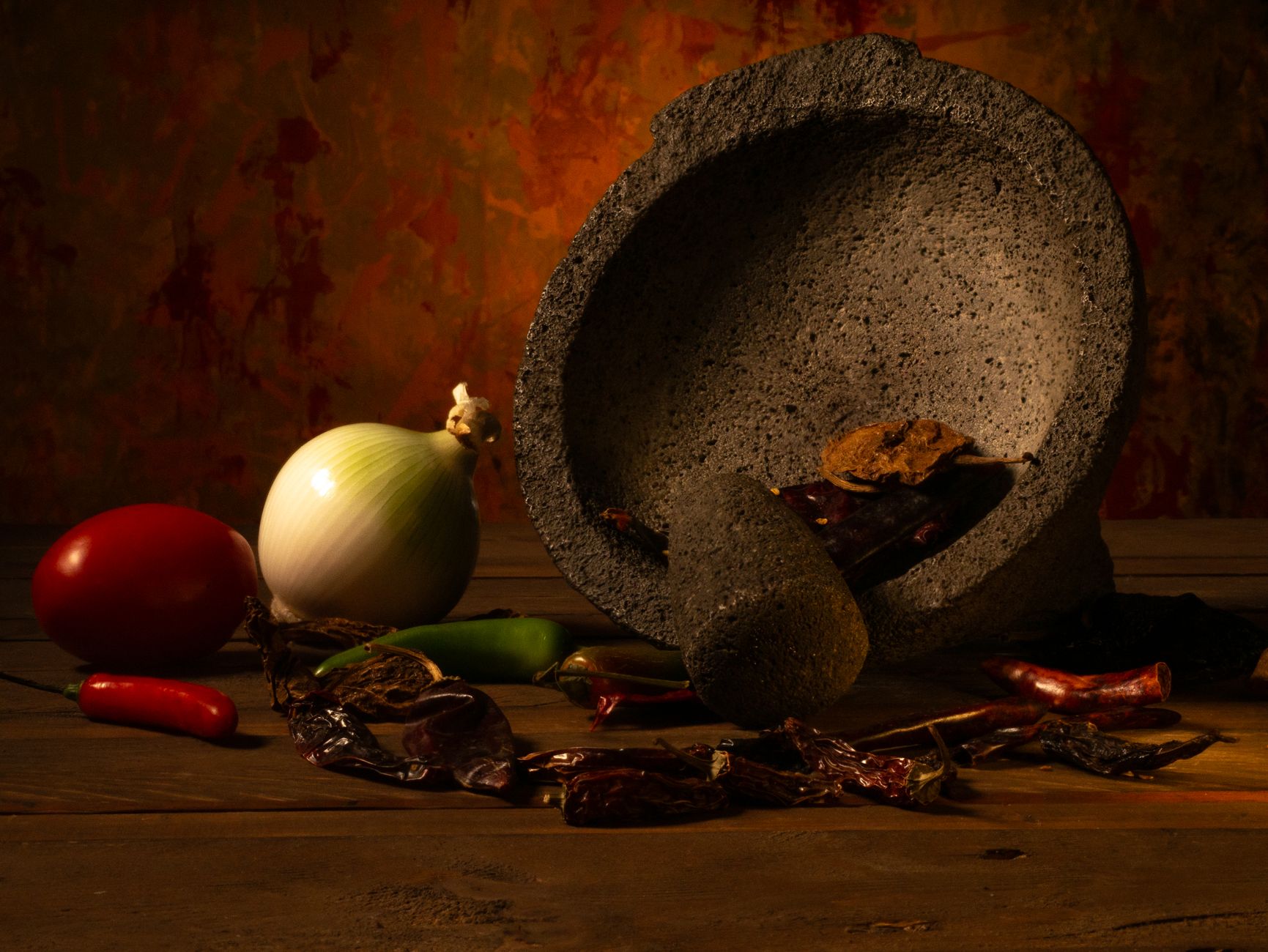
Molcajetes, the traditional Mexican mortar and pestle, are an essential tool for preparing salsas, guacamole, and other dishes rich in flavor. Made from durable volcanic rock, these mortars not only serve functional purposes but also connect to a long-standing culinary tradition. Understanding what molcajetes are made of can enhance their use and care in the kitchen.
This article will explore the composition of molcajetes, their historical significance, and tips for using and maintaining them effectively. You’ll discover why this rustic tool is favored by chefs and home cooks alike for bringing out the flavors in various ingredients.
What Are Molcajetes Made Of?
Molcajetes are primarily made from volcanic rock, specifically a type known as basalt. This material is chosen for its durability and ability to crush and grind ingredients effectively, making it ideal for achieving the desired texture in food preparation.
The rough surface of a molcajete provides excellent friction, which is essential for breaking down ingredients. Other components, such as the pestle (known as the tejolote), may also be made from the same volcanic stone or from hardwood in some cases.
The Historical Significance of Molcajetes
Molcajetes are not just cooking tools; they are steeped in history. The use of mortar and pestle-like devices dates back thousands of years in various cultures around the world. In Mexico, their use can be traced to pre-Columbian times, where they were integral to the preparation of traditional foods.
This cooking utensil symbolizes the craftsmanship of ancient civilizations and continues to be a focal point in Mexican cuisine. Today, using a molcajete often evokes a sense of authenticity and nostalgia for traditional culinary practices.
Types of Molcajetes
While traditional molcajetes are made from volcanic stone, there are variations available that cater to different preferences and functionalities.
Traditional Volcanic Stone Molcajetes
- Basalt Molcajetes: The most common type, made from volcanic rock, known for their sturdiness and effectiveness in grinding.
- Handcrafted Molcajetes: Artisan versions boast unique designs and shapes, often featuring decorative carvings.
Alternative Materials
- Marble Molcajetes: A less common option, these offer a smooth surface but lack the same level of friction as volcanic rock.
- Ceramic Molcajetes: Lightweight and easy to clean, ceramic versions are not as durable and may chip or crack over time.
Why Volcanic Rock is Essential for Molcajetes
The choice of volcanic rock in molcajete construction is critical for several reasons:
- Durability: Volcanic rock is particularly hardy, making it resistant to wear and tear even with regular use.
- Natural Texture: The rough surface allows for better grinding action, ensuring ingredients are more finely crushed and mixed.
- Heat Retention: The stone retains heat well, which is beneficial when preparing hot salsas or pastes.
Using a Molcajete: Preparation and Techniques
To get started with your molcajete, it’s essential to prepare it properly before its first use. This step ensures no residual flavors from manufacturing affect your food.
Preparing a New Molcajete
- Wash: Rinse the molcajete with warm water to remove any debris.
- Grind Rice: Fill the molcajete with white rice and grind it with the tejolote until it becomes a fine powder. This process helps to remove any grit from the stone.
- Repeat: Discard the rice powder and repeat the grinding process two to three times, or until the rice is clean and intact.
- Final Rinse: Once satisfied, give it a final rinse under warm water and dry it completely.
Grinding Techniques
When using a molcajete, the grinding technique can significantly impact the outcome of your dish:
- Circular Motions: Use a combination of circular motions and pressing down for efficient grinding.
- Batch Size: Work in smaller batches for better control over the consistency of your mixture.
- Ingredient Order: Start with the hardest ingredients (like garlic or spices) before adding softer ones (like tomatoes or avocados).
Common Ingredients for Molcajete Use
Molcajetes are ideal for various ingredients, particularly those needing grinding or crushing to unlock their flavors:
Vegetables and Fruits
- Tomatoes: Essential for making salsa or pico de gallo.
- Garlic: Adds depth and flavor to many sauces and dips.
- Avocado: Perfect for guacamole, providing creaminess when properly mashed.
Herbs and Spices
- Cilantro: Fresh herbs can be ground up to release their essential oils.
- Chilies: Dried or roasted chilies can be ground to create flavorful sauces.
- Spices: Whole spices such as cumin or black pepper can be crushed to unleash their full aroma.
Practical Tips for Using Molcajete
Cleaning and Maintenance
Proper care will extend the life of your molcajete and ensure its surfaces remain effective:
- Hand Wash: Always hand wash with warm water and a brush; do not use soap, as it can absorb into the stone.
- Dry Thoroughly: After washing, ensure the molcajete is completely dry before storing it, as moisture can promote mold growth.
- Avoid Soaking: Do not soak it in water for long periods, as this can damage the stone.
Storage Tips
Store your molcajete in a cool, dry place. It’s best to keep it out of direct sunlight to avoid any potential cracking or fading over time.
Troubleshooting Common Issues
When using a molcajete, you may encounter a few issues. Here are common problems and solutions:
- Grit in Food: If you notice grit in your preparation, recheck your cleaning process or consider grinding rice again to ensure surfaces are smooth.
- Pestle Sticking: If the pestle sticks to the molcajete, using a little bit of oil can help with the grinding process.
- Uneven Consistency: Avoid overcrowding the bowl; grinding smaller amounts will yield better results.
Serving Suggestions with Molcajete
Once your ingredients are prepared using the molcajete, it’s time to serve. The rustic charm of a molcajete makes it an attractive presentation piece. Here are some ideas on serving:
- Salsa and Chips: Serve freshly made salsa with tortilla chips, showcasing the vibrant colors and texture.
- Guacamole: Present guacamole directly in the molcajete with cilantro and lime wedges for a beautiful table centerpiece.
- Compound Butters: Use the molcajete to make compound butters flavored with herbs and spices, served with crusty bread.
Variations and Flavor Profiles
You can modify traditional recipes by adding or substituting ingredients to freshen up flavors:
Spicy Variation
Add jalapeños or serrano peppers for an extra kick in your salsa or guacamole. Just be mindful of the heat levels and adjust accordingly.
Herb-Infused Variation
Incorporate fresh herbs like basil or mint when making sauces or dips to experiment with flavor profiles that surprise your palate.
Cooking with Molcajete: Recipes to Try
While the molcajete is perfect for creating simple salsas and dips, it can be adapted for more complex preparations, such as marinades or spice mixes.
Simple Tomatillo Salsa
- Roast tomatillos, garlic, and chiles under a broiler until charred.
- Transfer roasted ingredients to the molcajete and add salt to taste.
- Grind until you achieve your desired consistency.
- Enjoy with tortilla chips or as a condiment for tacos.
Classic Guacamole
- Start with ripe avocados, halved and pitted.
- Using the tejolote, mash the avocado until creamy.
- Add finely chopped cilantro, lime juice, diced tomatoes, and salt to taste.
- Mix well and serve chilled.
Storage and Reheating of Ingredients
While you may not store your molcajete in a traditional sense, ingredients prepared in it may require proper storage:
- Leftover salsas or guacamole: Store in an airtight container for a short duration in the refrigerator to maintain freshness.
- Reheating tips: For less dense items, use a stovetop method over low heat, continuously stirring until warmed.
An Alternative to Molcajetes
If you’re drawn to the preparation methods of a molcajete but want something less traditional, consider using a food processor. While it may lack the rustic charm, a food processor can save time and effort for larger quantities.
However, keep in mind that the flavor can differ, as processing ingredients may introduce more air, diminishing their fresh taste.
Conclusion
The molcajete stands as a testament to historical culinary heritage and remains relevant in modern kitchens. Its unique construction from volcanic rock, coupled with its versatile functionality, ensures that it preserves the flavor and essence of traditional dishes.
Explore the art of grinding and creating bold flavors with your molcajete. Whether making a classic guacamole or a vibrant salsa, you’ll appreciate the authenticity and depth this traditional tool brings to your cooking.
For related recipes and tips, check out our molcajete recipe or learn about what molasses is made from. Happy cooking!