
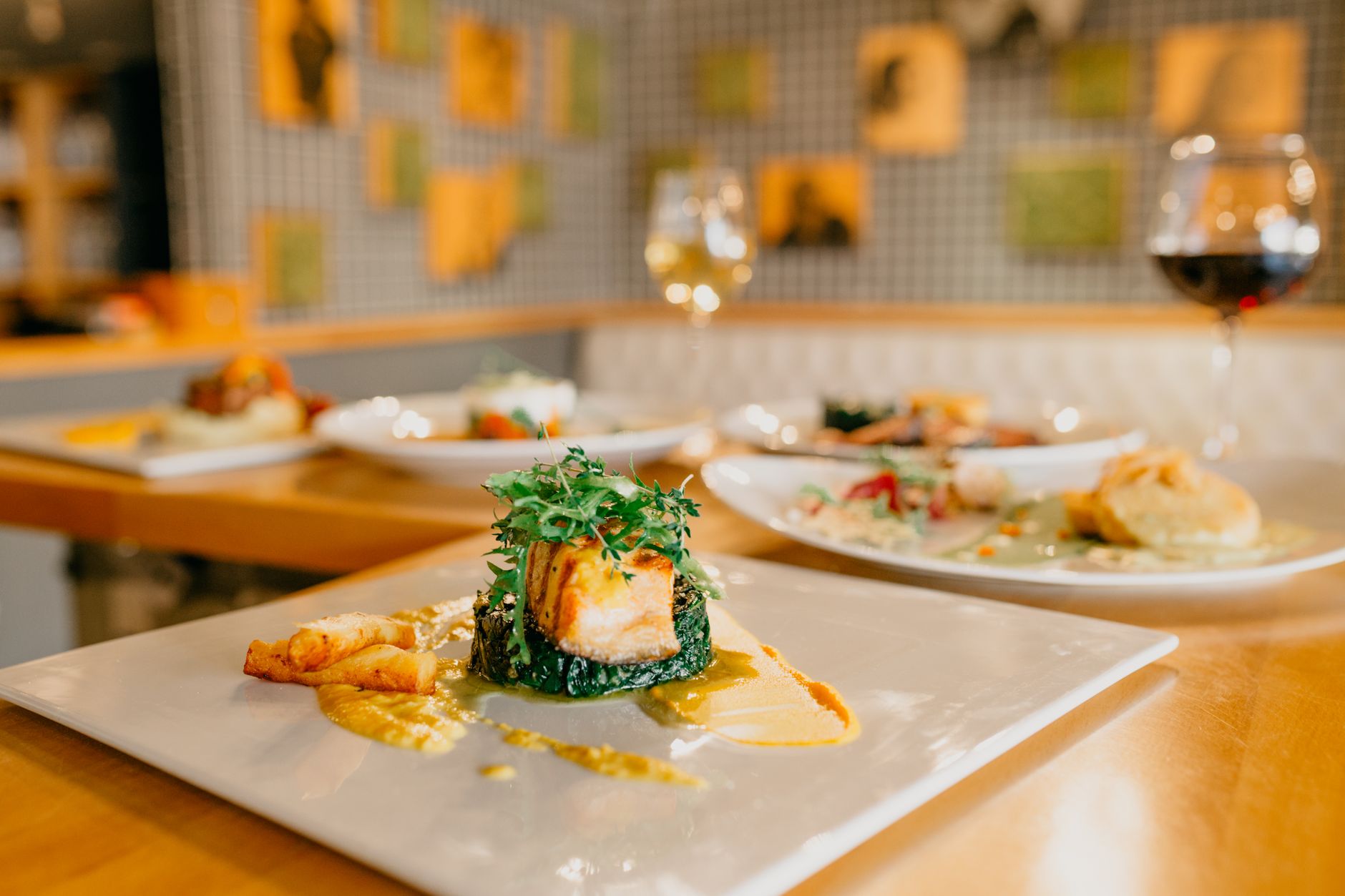
Michelin Star restaurants are synonymous with exceptional dining experiences, elevating culinary art to new heights. Established by the Michelin Guide, these prestigious accolades highlight establishments that showcase creativity, quality, and consistency in their offerings, captivating food enthusiasts around the world. Understanding what it means to earn these stars can enhance your culinary knowledge and elevate your dining escapades.
This article will delve into the history of Michelin Star restaurants, the criteria used for awarding stars, and how these ratings impact the culinary world and diners alike. By exploring these elements, you can gain a better appreciation for fine dining and the artistry involved in creating unforgettable meals.
What Are Michelin Star Restaurants?
Michelin Star restaurants are eateries that have been awarded one, two, or three stars by the Michelin Guide, a renowned publication that began as a tire company marketing initiative. The stars are awarded to restaurants that demonstrate culinary excellence in several key areas. The distinction not only signifies high quality, but also helps guide food lovers seeking exquisite dining experiences.
History of the Michelin Guide
The Michelin Guide was first published in 1900 by André Michelin and his brother, Édouard, to encourage automobile travel and promote the sale of tires. Initially, it featured practical information—such as road maps and accommodation listings—for French motorists. In 1926, the Guide began to include restaurant reviews, initially using anonymous inspectors. By 1931, the Michelin Star rating system was firmly established, promising anonymity and a high standard of evaluation.
The Star Rating System
The Michelin rating system consists of three tiers of stars, each reflecting the restaurant’s level of culinary achievement:
- One Star: A very good restaurant in its category, offering a high-quality meal.
- Two Stars: Excellent cooking, worth a detour, and showcasing a distinctive style or high level of technical skill.
- Three Stars: Exceptional cuisine, worthy of a special trip, with remarkable dishes that demonstrate culinary mastery.
Criteria for Awarding Stars
Michelin inspectors evaluate restaurants based on several criteria, which ensures a consistent and fair assessment process. Their observations center on the following factors:
- Quality of Ingredients: The freshness, uniqueness, and sourcing of ingredients play a significant role in evaluations.
- Mastery of Flavor and Cooking Techniques: Inspectors seek out chefs who exhibit proficiency in cooking techniques and the ability to balance flavors harmoniously.
- Personality of the Cuisine: The restaurant’s style should reflect the chef’s personality and vision.
- Value for Money: Michelin looks for establishments that deliver high standards proportional to the prices charged.
- Consistency: A restaurant must consistently deliver excellent food across various visits—both for regular customers and first-time diners.
The Influence of Michelin Stars
Receiving a Michelin Star is a significant marker of success for a restaurant, impacting both the culinary world and diners:
Impact on Restaurants
Winning a star can lead to a surge in customers seeking out acclaimed dining experiences. As a result, many restaurants invest heavily in improving their services, decor, and overall guest experience to retain their star status. Moreover, some chefs and restaurateurs leverage their Michelin Star accolades to boost their reputation, leading to television appearances, cookbook deals, and further career advancements.
Impact on Diners
For diners, Michelin Stars are valuable indicators of quality and excellence in dining. Food lovers often seek out Michelin-rated restaurants, considering it a badge of honor to dine at an establishment with such prestige. The Michelin Guide also helps diners navigate the vast restaurant landscape, ensuring that their dining choices align with their expectations for exceptional experiences.
Notable Michelin Star Restaurants Around the World
Numerous esteemed Michelin Star restaurants offer tantalizing menus curated by talented chefs. Here are a few notable examples across different regions:
France
Alain Ducasse au Plaza Athénée (Paris): Known for its exquisite contemporary French cuisine, this restaurant has retained three Michelin Stars for years.
United States
Le Bernardin (New York City): Celebrated for its focus on seafood, Chef Éric Ripert’s establishment holds three Michelin Stars, highlighting the artistry of fresh ingredients and technique.
Asia
Ginza Kojyu (Tokyo): A three-star Michelin restaurant, Ginza Kojyu serves seasonal kaiseki, showcasing the elegance of traditional Japanese dining at its finest.
United Kingdom
The Fat Duck (Bray): Known for its innovative approaches to multi-sensory dining and whimsical presentations, this three-Michelin-star restaurant by chef Heston Blumenthal is a destination for culinary explorers.
How to Experience Michelin Star Restaurants
Dining at a Michelin Star restaurant is often a unique experience, typically characterized by an elaborate tasting menu, attentive service, and exquisite ambiance. Here are some tips for getting the most out of your experience:
Reservations
Due to their popularity, Michelin Star restaurants often require advanced reservations. It is advisable to book weeks or even months ahead, especially for highly rated establishments.
Exploring the Tasting Menu
Many Michelin Star restaurants offer tasting menus that showcase the chef’s best dishes in a series of small courses. While the price can be higher, the experience allows diners to sample a variety of flavors and textures, offering a comprehensive insight into the chef’s talent.
Pairing Wine and Beverages
Consider opting for the wine pairing option alongside your meal. Master sommeliers often curate wines that complement each dish, enhancing the overall dining experience.
Be Open to New Experiences
Michelin Star restaurants often emphasize creativity and experimentation, so be open to trying dishes that may include unique ingredients or unfamiliar flavors. Embrace the culinary adventure and trust the chef’s vision.
Alternatives to Michelin Star Dining
While Michelin Star restaurants provide extraordinary dining experiences, there are plenty of other dining establishments that offer exceptional food without the star status:
Local and Regional Favorites
Explore your local culinary scene, where talented chefs may serve extraordinary dishes that reflect regional flavors, cultures, and styles. Many local eateries take pride in their craft and deliver memorable meals without the Michelin label.
Culinary Events and Pop-Up Restaurants
Keep an eye out for food festivals, pop-up restaurants, and chef collaborations that highlight culinary creativity. These events often showcase innovative dishes, allowing diners to enjoy high-quality meals without the pressure of a formal dining experience.
Understanding Michelin’s Critique Process
While the Michelin Star system is generally respected, it is essential to recognize that the decisions made by inspectors can be subjective. Here’s how the critique process works:
Anonymous Inspections
Inspectors base their evaluations on anonymous visits, ensuring that chefs and staff provide the same experience to all diners.
Multiple Visits
Restaurants may be inspected multiple times, ensuring that the quality remains consistent over time. Assessments often take place during various seasons, reflecting the restaurant’s ability to adapt its menu and maintain high standards.
Continuous Monitoring
Once awarded, a restaurant can be reassessed annually. Chefs must consistently deliver excellence to maintain their stars, creating an environment of continual motivation and improvement.
Common Misconceptions About Michelin Star Restaurants
Many myths surround the concept of Michelin Star restaurants, often leading to misunderstandings. Here are some common misconceptions:
High Prices Mean Michelin Quality
While many Michelin starred restaurants can be expensive, price alone does not guarantee quality. There are many affordable eateries that may serve exceptional dishes worthy of recognition.
All Michelin Star Food is Fine Dining
Michelin Stars are awarded to a variety of dining styles, including casual and bistro-style establishments. Not all stars denote ultra-formal dining; some unraveled gems cater to less traditional gastronomic experiences.
One Star is Less Valuable than Three Stars
Every Michelin Star holds significance and reflects excellence within its category. A one-star restaurant may deliver an outstanding dining experience that stands out in its specific genre of cuisine.
Conclusion
Michelin Star restaurants represent the pinnacle of culinary achievement, blending creativity, quality ingredients, and impeccable service. These establishments offer some of the most exquisite dining experiences, enriching the world of food culture.
Whether you are looking to explore Michelin Star restaurants or deepen your appreciation for fine dining, understanding their significance elevates the experience. Embrace the culinary journey and continue to seek out new flavors and dishes, letting your palate discover the extraordinary world of gastronomy.
Explore related recipes, cooking tips, or food guides to further enhance your culinary knowledge and experience.