
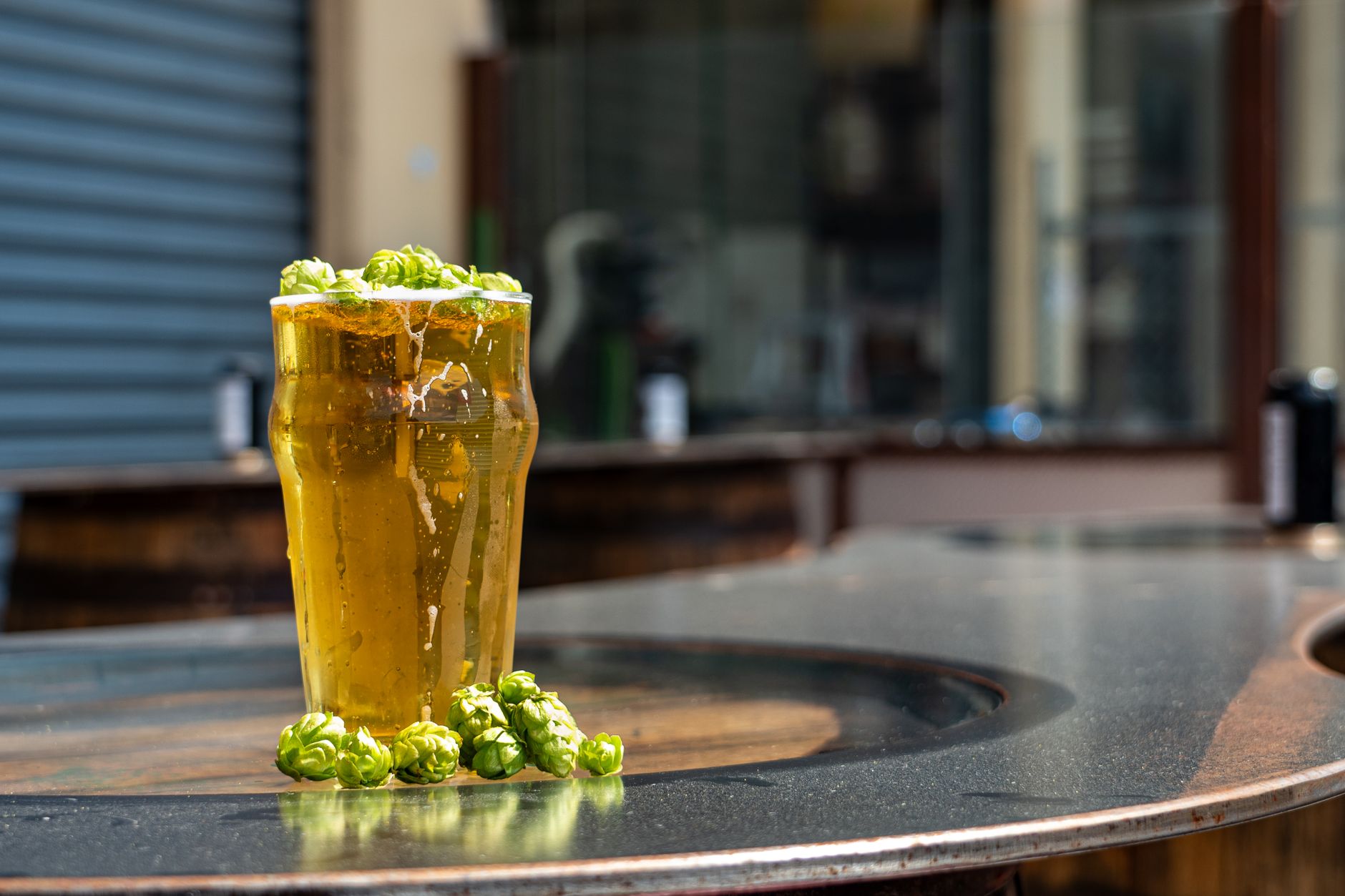
IBU stands for International Bitterness Units, a measure that quantifies the bitterness in beer. This bitterness primarily comes from hops, a key ingredient in beer brewing. Understanding IBUs is essential for both brewers and beer enthusiasts, as it influences the overall flavor profile and drinkability of various beer styles.
A beer with higher IBU values is generally perceived as more bitter, while those with lower values may have a sweeter or more balanced taste. Knowing the IBU range of different beers can help guide your choices when pairing them with food or selecting a brew that aligns with your personal taste preferences.
What Are IBUs in Beer?
International Bitterness Units (IBUs) are a standard measurement for bitterness in beer, with a scale ranging typically from 0 to 100. However, some extremely bitter beers can exceed 100 IBUs. The bitterness in beer is primarily derived from hops, which contain alpha acids that impart a bitter flavor. The higher the concentration of these alpha acids and the more hops used during the brewing process, the higher the IBU value.
Understanding IBU and Its Role in Beer Brewing
The IBU scale helps brewers quantify the bitterness level imparted by hops, and it offers consumers a guideline for understanding what to expect from a particular beer. While the IBU is an essential factor, bitterness is not the only aspect that drives the overall flavor profile of the beer.
The Science Behind IBUs
The measurement of IBUs is based on the amount of alpha acids in the finished beer. Hops used during the boiling stage of brewing release alpha acids, which dissolve into the beer and contribute to bitterness. Brewers can adjust the amount and timing of hop additions during the brewing process to achieve their desired IBU level.
How IBUs Influence Beer Flavor
Although IBUs directly correlate with bitterness, they also interact with other flavor components in beer, such as malt sweetness and alcohol content. Higher IBUs can lead to an intensely bitter taste, which may be balanced by residual sugars from malts in certain styles of beer. For example, a hoppy IPA (India Pale Ale) may showcase higher IBUs but still taste well-rounded and pleasant due to the malt backbone.
IBU Scale: What Do the Numbers Mean?
The IBU scale ranges from 0 to well over 100. Here’s a breakdown of what various IBU values generally suggest regarding perceived bitterness:
- 0-10: Most light beers and lagers fall into this range, typically having a very mild bitterness.
- 10-20: Beers in this range, such as wheat beers and some pilsners, possess a light hint of bitterness.
- 20-40: This range includes amber ales and pale ales, which have a noticeable bitterness that complements their maltiness.
- 40-60: Many IPAs and double IPAs fall within this spectrum, exhibiting strong hoppy bitterness balanced by malt sweetness.
- 60-100: Imperial stouts and extremely hoppy beers can push upward of 70 or even 100 IBUs, presenting intense bitterness.
Common Beer Styles and Their Typical IBU Ranges
Each style of beer typically showcases a different range of IBUs, contributing to its distinct flavor profile:
- Lagers: 5-20 IBUs
- Wheat Beers: 10-20 IBUs
- Pale Ales: 30-50 IBUs
- IPAs: 40-70 IBUs
- Stouts: 30-70 IBUs
Exploring the Diversity of Beer
Understanding IBUs provides better insight into the vast world of beer. It’s important to note that individual palate preferences vary, and two beers with similar IBU ratings might taste very different depending on their other flavor components.
Factors Affecting Perceived Bitterness in Beer
While the IBU measurement uses alpha acids as a bracket, other elements in the brewing process also affect how bitterness is perceived.
Malt Sweetness
Sweetness from malt can counterbalance the bitterness from hops. A beer with high IBU may not taste overwhelmingly bitter if it has a significant malt base with residual sugars. For example, a malty porter might have high IBUs but taste rich and smooth due to its sweet backbone.
Beer Carbonation
Carbonation can also play a role in how we perceive bitterness. Higher carbonation levels may enhance bitterness perception due to the additional prickly sensation that tickles the tongue.
Alcohol Content
Higher alcohol content can alter taste sensory perception as well. Strong beers may mask bitterness with their warming alcohol presence, changing how we experience flavors.
Temperature
The serving temperature of beer affects how flavors are discerned, including bitterness. Cold beers often present bitterness differently than those served at slightly warmer temperatures, as less flavor complexity may be noticeable immediately in colder temperatures.
Culinary Uses of IBU in Beer
IBU serves not only as a marker for choosing beer but is also useful in culinary applications. The flavor of beer can enhance dishes when used in cooking and pair wonderfully with various food items.
Cooking with Beer
Beer can be an excellent ingredient in various recipes. Its bitterness can provide depth in certain sauces and marinades. Here are ways that understanding IBU can help in culinary uses:
- Marinades: Beers with a mid-range IBU can complement meats in marinades, adding flavor through both bitterness and sweetness.
- Baking: Stouts, porters, or even IPAs can be used in baking bread or desserts for rich flavors alongside bitterness, giving complexity.
- Sauces: Beers with higher IBUs can enhance glazes and reductions where intensity is desired, particularly in savory dishes.
- Pairing Food and Beer: Understanding the IBU can assist in pairing with food, creating balanced tastes and experiences.
Pairing Beer with Foods: An IBU Perspective
Pairing beer with food is an art form, and knowing the IBU can help in creating complementary or contrasting tastes. Here are some guidelines for food pairings based on IBU:
Low IBU Beers (0-20)
- Wheat beers pair excellently with light seafood, salads, and spicy Asian dishes.
- Light lagers complement fries, chicken wings, and barbecued ribs without overshadowing their flavors.
Moderate IBU Beers (20-40)
- Pale ales match well with citrusy or herbaceous dishes, grilled meats, and burgers.
- Amber ales are great with roasted vegetables, hearty soups, and barbecue.
High IBU Beers (40-70)
- IPAs work well with spicy foods, blue cheese, and rich curries, where the bitterness can cut through richer dishes.
- Stouts and porters pair nicely with chocolate desserts, grilled meats, and charcuterie, where their complexity enhances the experience.
Very High IBU Beers (70+)
- Imperial IPAs and extreme hoppy ales can be more challenging in pairing due to their intense bitterness but can complement very rich foods like steak or very spicy dishes.
How to Choose Beer Based on IBU
When choosing beer, consider your flavor preferences, meal, and occasion. Here are some tips for selecting beer based on IBU:
Know Your Palette
If you prefer lighter flavors, stick to beers with lower IBUs. If you enjoy bold and bitter notes, explore higher IBU beers.
Consider the Food
When pairing beer with food, focus on the meal’s flavor intensity. Match or contrast the beer’s IBU to enhance the overall dining experience.
Experiment and Experience
Don’t hesitate to try different styles and IBU ranges to find what you enjoy most. Experimenting broadens your understanding and appreciation of beer as a culinary ingredient.
Common Mistakes When Considering IBUs
Understanding IBUs can enhance your beer experience, but there are common pitfalls to avoid when evaluating them:
- Assuming High IBU = Unpleasantly Bitter: Many high IBU beers balance bitterness with malt sweetness, resulting in a pleasant taste.
- Ignoring Other Flavor Elements: Focus on the overall flavor profile, not just the IBU number. Ingredients like yeast and malt contribute significantly to taste.
- Not Considering Personal Preference: Everyone’s palate is different; what’s bitter to one person may not be to another.
Storing and Serving Beers: The Impact on IBU
Proper storage and serving temperature can affect the perception of bitterness in beer. Here are guidelines for storage and serving:
Storage Suggestions
Store beer upright in a cool, dark place to prevent light and temperature fluctuations from altering flavors. Most beers are best enjoyed fresh, especially those with higher hops content.
Serving Temperature
Each beer style has an ideal serving temperature. Generally, light lagers are best served cold (around 38-45°F), whereas stouts and IPAs can be served slightly warmer (around 45-55°F) to allow flavors to express fully.
Conclusion
The IBU is a vital component of understanding beer, influencing its flavor profile and culinary applications. Recognizing the diversity of IBU ranges can enhance your beer choices and food pairings. Whether you are selecting a beer for a meal or cooking with it, knowing the nuances of IBU can lead to a more enjoyable experience.
To further enhance your culinary journey, explore our recipes for beer can chicken or learn more about the characteristics of different beer styles like pilsners. Every choice enriches your appreciation for this complex and delightful beverage.