
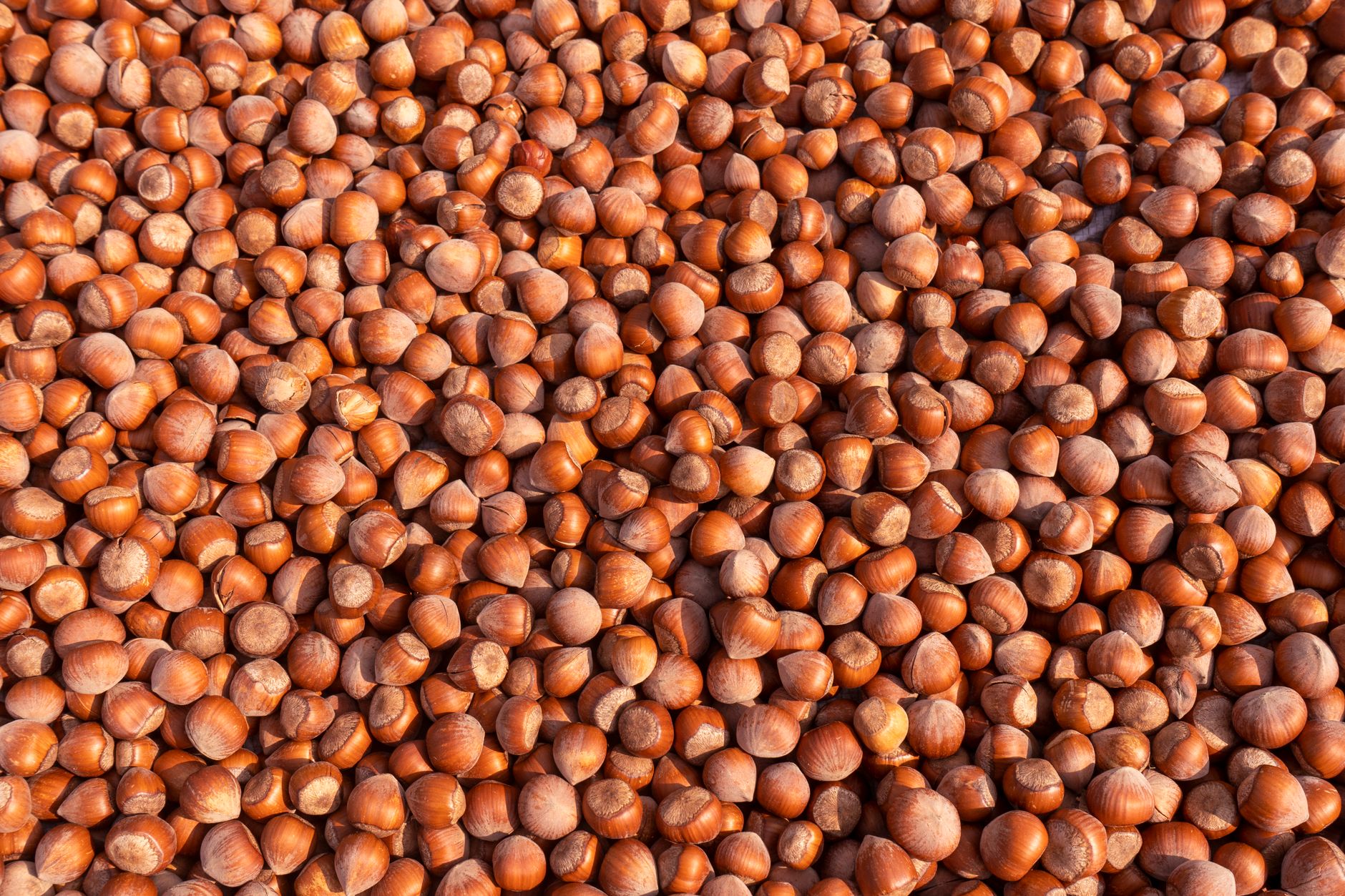
Filberts, also known as hazelnuts, are a beloved nut known for their rich, slightly sweet flavor and versatility in a variety of culinary applications. Originating from the Mediterranean region, filberts add a delightful crunch and nutty taste to both sweet and savory dishes. Understanding their culinary uses, flavor profile, and storage options can enhance your cooking repertoire.
This article will explore what makes filberts unique, how to select them, their nutritional benefits, and the best ways to serve them in your meals. Whether you’re looking to incorporate them into baking or savory dishes, this guide will help you make the most of this delightful nut.
What Are Filberts?
Filberts are the edible nuts of the hazel tree, scientifically known as Corylus avellana. They are round to oval and have a smooth, brown shell that is usually removed before consumption. Most commonly found in shelled form, filberts boast a creamy texture and a flavor that is often described as earthy, nutty, and subtly sweet.
Nut enthusiasts often refer to filberts and hazelnuts interchangeably, although some regions may have preferences. In culinary contexts, filberts are particularly celebrated for holding their flavor and texture well through roasting and baking.
Flavor Profile and Culinary Uses
The flavor of filberts is rich and complex. They oscillate between sweet and nutty, with earthy undertones that add depth to your dishes. Their flavor intensifies when roasted, enhancing their savory qualities. Here are several ways to incorporate filberts into your culinary projects:
Baking
- Cakes and Muffins: Use finely chopped filberts in cake batters for added texture and flavor.
- Cookies: Incorporating ground filberts into cookie dough can provide a unique twist to classic recipes.
- Breads: Add them to artisanal bread recipes or as a topping for extra flavor.
Savory Dishes
- Salads: Sprinkle toasted filberts over salads for added crunch.
- Charcuterie Boards: Include them among cheeses and cured meats for a delightful pairing.
- Crusts and Coatings: Use ground filberts as a crust for proteins such as fish or chicken.
Desserts
- Chocolate Confections: Filberts pair exceptionally well with chocolate, commonly found in truffles or pralines.
- Ice Cream: Incorporate them into ice cream mixtures or as a topping.
Nutritional Benefits of Filberts
Filberts are not just a flavorful addition to your dishes; they also provide a range of nutritional benefits. Here are some highlights:
- Rich in Healthy Fats: Filberts contain monounsaturated fats, which can support heart health when consumed in moderation.
- Vitamins and Minerals: They are a good source of vitamin E, magnesium, and copper, contributing to overall health.
- Antioxidants: Filberts are rich in antioxidants, which help combat oxidative stress in the body.
While they offer numerous health benefits, it’s essential to be mindful of portion sizes due to their calorie density. A small handful per day is typically a reasonable amount to enjoy.
Selection and Storage
When selecting filberts, there are a few key factors to consider:
Choosing Quality Filberts
- Appearance: Choose nuts that are uniform in size, free of cracks or blemishes.
- Flavor: Fresh filberts should have a mild, pleasant aroma and a nutty flavor. Avoid nuts that smell rancid.
- Certification: If possible, look for organic or non-GMO certifications.
Storage Tips
To maintain their freshness and flavor, proper storage of filberts is crucial:
- Room Temperature: Store raw filberts in an airtight container away from heat and light. They can last for several weeks this way.
- Refrigeration: For extended shelf life, store filberts in the refrigerator, where they can remain fresh for up to six months.
- Freezing: If you want to keep them for even longer, place filberts in a freezer-safe bag and store them in the freezer for up to a year.
How to Serve Filberts
Filberts can be enjoyed in various forms including whole, chopped, or ground. Here are some serving suggestions:
As a Snack
Filberts can be enjoyed raw as a nutritious snacking option. For a flavor twist, consider roasting them with a sprinkle of sea salt or spices.
In Salads
To add a satisfying crunch, toss chopped, toasted filberts into salads. They pair well with fresh greens, vinaigrettes, and even fruits like pears or apples.
In Sauces and Spreads
Create nut butter by blending roasted filberts with a little oil until smooth. This can be used as a spread or incorporated into sauces.
Common Mistakes with Filberts
When working with filberts, there are several common pitfalls to avoid:
- Over-roasting: Filberts can burn quickly due to their high fat content. Monitor closely when roasting.
- Using Stale Nuts: Ensure that your filberts are fresh to avoid an unpleasant taste.
- Ignoring Allergies: Always check for nut allergies in guests before serving dishes with filberts.
Recipe Ideas Featuring Filberts
Here are a few recipe ideas to inspire your next cooking adventure:
Filbert Chocolate Chip Cookies
These cookies incorporate finely chopped filberts for a delicious twist on the classic recipe.
- 1 cup unsalted butter, softened
- 3/4 cup brown sugar
- 3/4 cup granulated sugar
- 1 tsp vanilla extract
- 2 cups all-purpose flour
- 1/2 tsp baking soda
- 1/2 tsp salt
- 1 cup chocolate chips
- 1 cup chopped filberts
- Preheat your oven to 350°F (175°C).
- Cream the butter, brown sugar, and granulated sugar until light and fluffy.
- Add the vanilla extract, mixing until well combined.
- In a separate bowl, whisk together the flour, baking soda, and salt.
- Drop spoonfuls of the dough onto a baking sheet lined with parchment paper.
- Bake for 10-12 minutes or until the edges are golden.
Filberts in Pasta
A creamy pasta dish with filberts adds a delightful crunch. Simply blend roasted filberts into a sauce with cream, garlic, and parmesan for a deliciously unique twist.
Practical Substitutions
If filberts aren’t available, consider these alternatives:
- Almonds: Similar in flavor and texture, almonds can replace filberts in most dishes.
- Pecans: Their buttery flavor makes pecans a suitable substitute for savory and sweet recipes.
- Walnuts: Though slightly more bitter, walnuts provide a different texture and flavor that can also work well.
Make-ahead Tips
Filberts can be prepared in advance for various dishes. Here are a few tips:
- Roast filberts in bulk and store them for quick access when needed.
- Make nut butter ahead of time and store in the refrigerator for easy use in recipes or as a spread.
- Chop filberts in advance for use in baking or salads, storing them in an airtight container to maintain freshness.
Conclusion
Filberts offer a wonderful blend of flavor and nutrition, making them a versatile ingredient in various culinary applications. Understanding how to incorporate them into your meals and store them correctly will elevate your cooking experience. Try experimenting with this delightful nut and discover new recipes that showcase its unique characteristics.
Explore more ingredient guides, cooking tips, and recipes to enhance your culinary skills!