
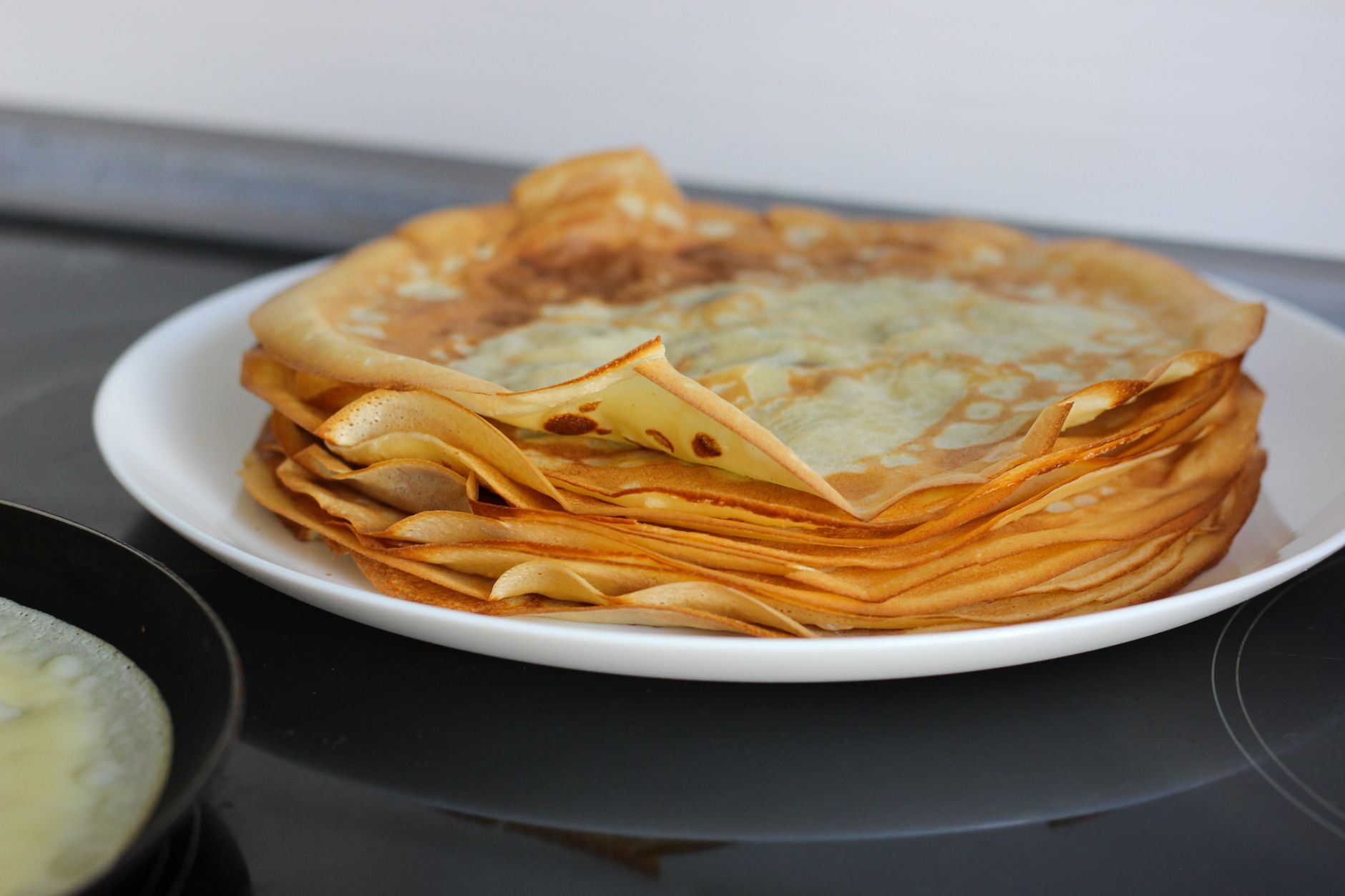
Crepes are a thin type of pancake that originated in France. They are made from a simple batter of flour, eggs, and milk, creating a versatile dish suitable for both sweet and savory fillings. Their delicate texture and neutral flavor make them a beloved staple in various cuisines, enjoyed around the globe.
The beauty of crepes lies in their versatility. They can be filled to the brim with a variety of ingredients, such as Nutella, fruits, ham, cheese, or even vegetables, making them an excellent option for any meal of the day—breakfast, lunch, dinner, or dessert.
What Are Crepes?
Crepes are very thin pancakes, typically made from a batter comprising flour, eggs, milk, and a pinch of salt. There are two main types of crepes: sweet crepes, which are often served with sugary fillings and toppings, and savory crepes, known as galettes, made with buckwheat flour and filled with savory ingredients.
The History of Crepes
Crepes have a long-standing tradition in French cuisine, believed to originate from Brittany in the 13th century. Traditionally, they were made with buckwheat flour and served to rural communities as a hearty meal. Over time, they evolved, and today, many recipes use all-purpose flour and are enjoyed worldwide.
Types of Crepes
The two primary types of crepes are:
- Sweet Crepes: Made with all-purpose flour, these crepes are often used for desserts and breakfast dishes, filled with ingredients like fruits, whipped cream, chocolate, or jam.
- Savory Crepes (Galettes): Often made with buckwheat flour, these crepes feature savory fillings such as ham, cheese, eggs, and vegetables, making them suitable for lunch or dinner.
Crepe Ingredients
The basic ingredients for crepes are simple and require minimal effort to prepare. The classic crepe batter consists of:
- All-purpose flour – 1 cup (120 g)
- Eggs – 2 large
- Milk – 1 1/2 cups (360 ml)
- Butter (melted) – 2 tablespoons (30 g)
- Salt – a pinch
- Optional: Sugar – 1 to 2 tablespoons (for sweet crepes)
Essential Equipment for Making Crepes
To make crepes, certain tools can make the process easier and more enjoyable. Essential equipment includes:
- Mixing bowl – for preparing the batter.
- Whisk – for mixing the ingredients until smooth.
- Non-stick skillet or crepe pan – for cooking the crepes evenly.
- Spatula – for flipping the crepes.
- Measuring cups and spoons – for accurate ingredient measurements.
- Ladle – for pouring the batter into the pan.
How to Make Crepes: Step-by-Step Guide
Follow these steps to prepare basic crepes. This method yields approximately 10-12 crepes, depending on the size of your skillet.
- Prepare the Batter: In a mixing bowl, whisk together the flour and salt (and sugar if making sweet crepes). In another bowl, beat the eggs and then gradually mix in the milk.
- Combine Ingredients: Slowly pour the egg and milk mixture into the flour while whisking continuously to avoid lumps. Incorporate melted butter into the batter, ensuring it is smooth and well mixed. Let the batter rest for 30 minutes at room temperature.
- Heat the Skillet: Preheat a non-stick skillet or crepe pan over medium heat. Lightly grease it with butter or oil.
- Cook the Crepes: Pour a ladle of batter into the center of the skillet and quickly tilt the pan to spread the batter evenly across the surface. Cook for about 1-2 minutes or until the edges start to lift and the bottom is lightly browned.
- Flip the Crepes: Carefully use a spatula to flip the crepe and cook for another 30 seconds to 1 minute on the other side. Remove from the pan and place on a plate. Repeat with the remaining batter.
- Fill and Serve: Fill crepes with your choice of toppings, fold or roll them up, and serve immediately.
Common Mistakes and Troubleshooting
Here are some common mistakes to avoid when making crepes:
- Batter Too Thick: If the batter is too thick, your crepes will be more like pancakes. Thin it with a little more milk.
- Lumps in Batter: Ensure you whisk the batter thoroughly to avoid lumps. You can also strain the batter through a sieve for a smoother texture.
- Crepes Stick to the Pan: Make sure your skillet is adequately greased and preheated before adding the batter.
- Unevenly Cooked Crepes: Distribute the batter evenly across the skillet to ensure uniform cooking.
Serving Suggestions for Crepes
Crepes can be served with a variety of delicious fillings and toppings. Here are some ideas:
Sweet Crepe Fillings
- Fresh fruits like strawberries, bananas, or blueberries
- Nutella or chocolate sauce
- Whipped cream or mascarpone cheese
- Maple syrup or honey
- Cinnamon sugar
Savory Crepe Fillings
- Ham and cheese with a sprinkle of mustard
- Spinach, feta cheese, and garlic
- Mushroom and crème fraîche
- Eggs, cheese, and herbs
- Vegetables like zucchini, bell pepper, and onion sautéed in olive oil
How to Store Crepes
Crepes can be stored efficiently for later use or meal prep:
- Refrigeration: Let the crepes cool completely before stacking them with parchment paper between each crepe to prevent sticking. Wrap tightly in plastic wrap or place them in an airtight container. They can be stored in the refrigerator for up to 3 days.
- Freezing: For longer storage, freeze crepes using the same parchment paper method. Place them in a freezer-safe bag or container. They can be stored for up to 2 months. Thaw in the refrigerator before use.
Popular Variations of Crepes
While the classic crepe is delightful, there are numerous variations to explore:
- Whole Wheat Crepes: Substitute whole wheat flour for all-purpose flour for a nuttier flavor and added fiber.
- Vegan Crepes: Replace eggs with mashed bananas or chia seeds and use plant-based milk.
- Gluten-Free Crepes: Use gluten-free flour blends available in stores or homemade blends to accommodate dietary needs.
Crepes Around the World
Crepes have inspired variations across different cultures:
- Italian Crescioni: Similar to crepes, these are filled with various fillings such as cheese and vegetables.
- Japanese Okonomiyaki: A savory pancake made with flour, eggs, and shredded cabbage, topped with various dressings.
- Mexican Hotcakes: These thin pancakes are often filled with sweet or savory ingredients and are popular for breakfast.
Crepes and Dietary Preferences
Crepes can cater to various dietary needs:
- Vegetarian: Many fillings can be made vegetarian-friendly with the addition of veggies and dairy options.
- Gluten-Free: As mentioned, gluten-free flour can replace all-purpose flour in the batter.
- Vegan: Utilize plant-based alternatives to create vegan-friendly crepes.
Creative Fillings and Toppings for Every Palate
Let’s explore some unique, knee-jerk inspiring combinations to stuff your crepes:
- Asian-Inspired: Use teriyaki chicken, shredded carrots, and cucumber with a sesame dressing.
- Mediterranean Style: Fill with grilled vegetables, hummus, and feta cheese.
- Breakfast Crepes: For a filling breakfast, use scrambled eggs, smoked salmon, and cream cheese.
Next Steps in Crepe-Making
Now that you understand the basics of crepes, consider trying out various fillings and techniques. Experimenting with dough flavors, cooking methods, and ingredient combinations will enhance your culinary skills and delight those you serve.
Explore our savory crepe recipe to discover how to fill your crepes deliciously and learn how to make a refreshing chai pudding with coconut milk for dessert afterward.