
Veal is a term that refers to the meat of young cattle. This article will dive deep into what veal is, the specific type of animal it comes from, and its unique culinary applications. Understanding veal is essential for those looking to explore different meats in their cooking and appreciate its delicate flavor and tenderness.
Veal is distinct from beef, which comes from older cattle. Typically, veal is harvested from calves that are younger than six months old. The age of the animal contributes significantly to the meat’s flavor, tenderness, and overall culinary attributes, making it a sought-after ingredient in many kitchens.
Veal Comes From What Animal?
Veal comes from calves, specifically from young cattle. The most common breeds used for veal production include the Holstein, Jersey, and Angus breeds. These calves are usually male dairy calves or female calves that are not retained for breeding. The distinctive characteristics of veal make it a unique culinary experience compared to beef.
Understanding Veal: Types and Grades
There are several types of veal, which can be categorized based on the animal’s diet, age, and the production methods used. It’s essential to recognize these differences when selecting veal for cooking.
Types of Veal
- Milk-Fed Veal: This type of veal is typically raised on a diet consisting primarily of milk or milk replacers. The meat is pale pink, tender, and has a mild flavor.
- Grain-Fed Veal: Calves raised on a grain diet produce a slightly darker meat with a richer flavor. This veal is slightly older than milk-fed veal.
- Bob Veal: Bob veal comes from very young calves, usually between 1 to 3 weeks old. It has a very light pink color and is less commonly found, often regarded as a specialty.
- Pasture-Raised Veal: This type comes from calves that have been raised outdoors, often grazing on grass. The meat tends to be more flavorful and has a darker color compared to other types of veal.
Grading of Veal
Veal is also graded based on its quality, which considers factors like color, texture, and fat distribution. The USDA grades veal as:
- Prime: The highest quality with abundant marbling and tenderness.
- Choice: Slightly less marbling than Prime but still high quality.
- Good: More variable in tenderness and flavor, often tougher than the higher grades.
Culinary Uses of Veal
Veal’s subtle flavor profile and tender texture make it a versatile ingredient in various culinary applications. Here are some common dishes and cooking methods that feature veal:
Popular Dishes Featuring Veal
- Veal Piccata: A classic Italian dish made with veal cutlets, which are lightly floured, sautéed, and served in a lemon-butter caper sauce.
- Veal Marsala: Another Italian staple, this dish features veal cutlets cooked in a rich Marsala wine sauce and often includes mushrooms.
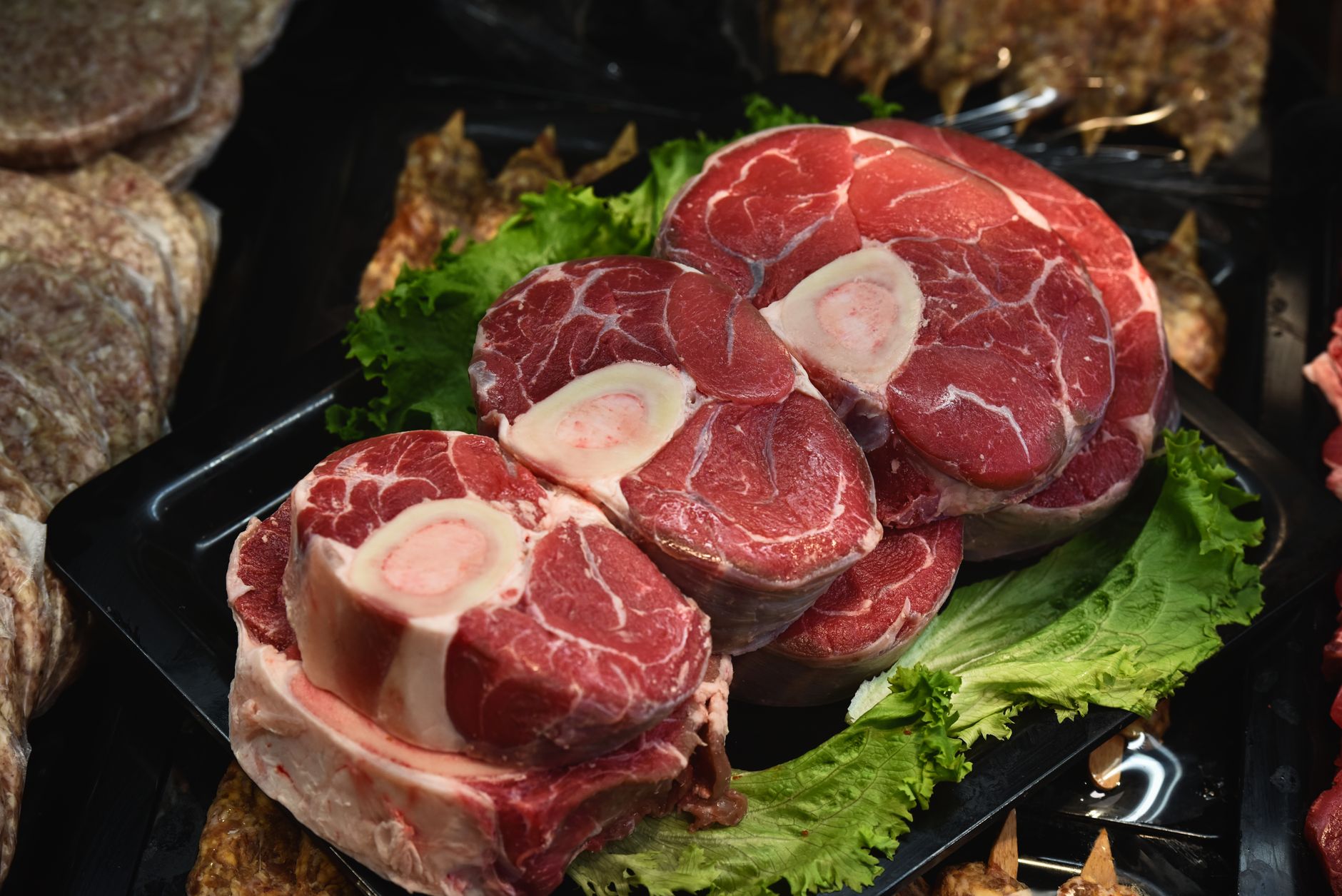
- Osso Buco: A traditional Italian dish made with cross-cut veal shanks braised with wine, broth, and vegetables, typically served with gremolata.
- Veal Parmesan: Breaded veal cutlets are fried until crispy, then topped with marinara sauce and melted cheese.
Cooking Techniques
Preparing veal requires a gentle approach to maintain its tenderness and flavor. Here are some effective cooking techniques:
- Sautéing: A quick method suitable for veal cutlets or chops. This involves cooking in a small amount of oil or butter over medium-high heat.
- Braising: Ideal for tougher cuts like veal shanks. The meat is browned first and then simmered slowly in liquid until tender.
- Grilling: Veal chops or steaks can be grilled for added flavor. Ensure to marinate beforehand for enhanced taste.
Choosing and Storing Veal
When shopping for veal, it’s vital to choose quality cuts to ensure the best flavor and texture in your dishes. Here are some tips for selecting and storing veal:
Selecting Veal
- Look for cuts with a pinkish color and fine texture. Fresh veal should have minimal marbling and be firm to the touch.
- Smell the veal to avoid any off odors which indicate spoilage.
- Check for expiration dates if purchasing pre-packaged veal.
Storing Veal
Veal should be stored properly to maintain freshness:
- Keep it in the coldest part of your refrigerator, usually at or below 40°F (4°C).
- Veal should be used within 3-5 days of purchase or can be frozen for up to 6 months. Properly wrap and seal to prevent freezer burn.
Cooking Veal at Home: A Simple Recipe
If you’re ready to try cooking veal at home, here’s a straightforward recipe for Veal Piccata, a dish that highlights the meat’s tenderness.
Yield
This recipe serves 4 people.
Preparation Time
About 10 minutes.
Cooking Time
Approximately 15 minutes.
Total Time
Roughly 25 minutes.
Ingredients
- 4 veal cutlets (around 6 ounces each)
- 1/2 cup all-purpose flour
- Salt and black pepper to taste
- 3 tablespoons olive oil
- 3 tablespoons butter
- 1/4 cup fresh lemon juice
- 1/2 cup chicken stock
- 2 tablespoons capers, rinsed and drained
- Fresh parsley, for garnish
Essential Equipment
- Heavy skillet
- Measuring cups and spoons
- Whisk
- Serving plate
Method
- Begin by seasoning the veal cutlets with salt and black pepper.
- Spread the flour on a plate and dredge each cutlet in the flour, shaking off any excess.
- In a heavy skillet, heat the olive oil over medium-high heat. Add 2 tablespoons of butter and allow it to melt.
- Once the butter is foamy, add the veal cutlets to the skillet. Cook for about 3-4 minutes on each side or until golden brown and cooked through.
- Remove the cutlets from the skillet and keep them warm on a serving plate.
- In the same skillet, add the lemon juice and chicken stock, scraping any browned bits from the bottom. Bring to a simmer.
- Add the capers and the remaining tablespoon of butter, stirring until the butter is melted and the sauce is slightly thickened.
- Pour the sauce over the veal cutlets, garnish with fresh parsley, and serve immediately.
Common Mistakes and Troubleshooting
- Overcooking the veal can lead to toughness. Make sure to cook just until the internal temperature reaches 145°F (63°C).
- Not allowing the cutlets to rest after cooking could result in loss of juices. Let them sit for a few minutes before serving.
Serving Suggestions
Veal Piccata pairs well with a variety of sides:
- Serve with sautéed spinach or a simple arugula salad for a fresh contrast.
- Cooking some creamy mashed potatoes or risotto can round out the meal beautifully.
Make-Ahead Guidance
You can prepare the cutlets in advance and store them in the refrigerator for a day. Cook the sauce just before serving for the best flavor and texture.
Nutritional Considerations
Veal is a good source of high-quality protein, iron, and several essential vitamins and minerals. However, it is also important to consume meat in moderation and consider other dietary preferences and restrictions.
Conclusion
Veal is a delicious and tender meat option that comes from young cattle. Whether you’re making classic dishes like Veal Piccata or experimenting with new recipes, understanding how to choose, store, and cook veal will enhance your culinary repertoire. Try incorporating this versatile ingredient into your next meal!
For more delicious recipes and cooking tips, check out our Veal Piccata recipe and explore additional options to elevate your cooking techniques.