
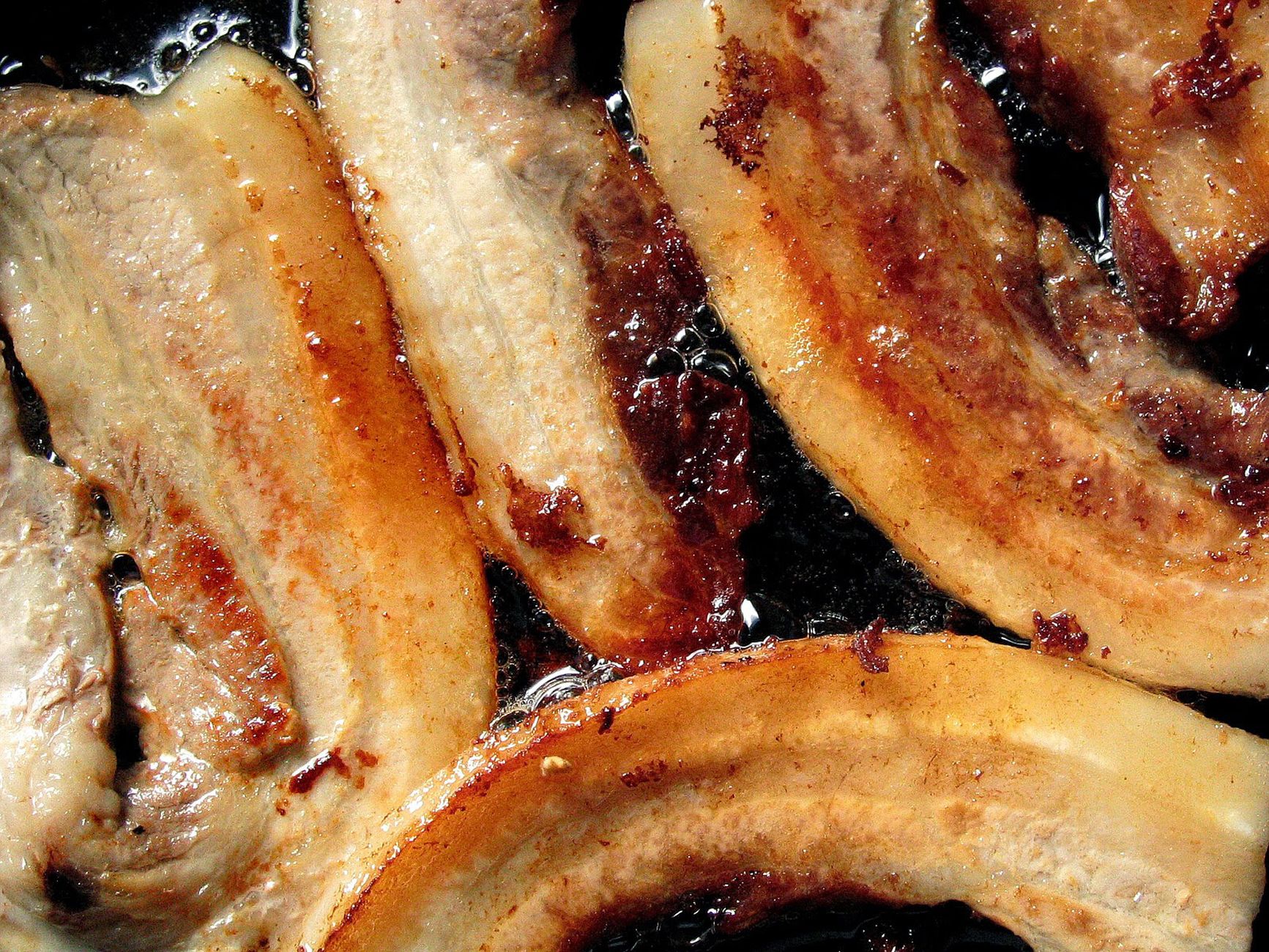
Bacon is one of the most beloved breakfast foods, known for its rich flavor and crispy texture. The best way to cook bacon is surprisingly simple and can yield perfectly crispy, delicious results with minimal effort. This guide will introduce the easiest and most effective methods for cooking bacon while exploring flavor profiles, cooking equipment, and essential tips to enhance your bacon experience.
Whether you prefer your bacon crispy, chewy, or somewhere in between, this article will provide insights into the best cooking techniques. Let’s dive into the classic approaches that anyone can master, turning this versatile ingredient into a standout dish.
What Is the Best Way to Cook Bacon?
The best way to cook bacon will depend on your preference, but one of the easiest and most reliable methods is baking it in the oven. This method allows you to cook several pieces at once, achieving consistent crispiness without the need for constant monitoring. Baking also minimizes mess and makes cleanup a breeze.
Why Choose the Baking Method?
Baking bacon in the oven offers several advantages:
- Even Cooking: The heat distributes evenly, resulting in uniformly cooked bacon.
- Hands-Free: You can set the bacon in the oven and attend to other breakfast preparations without constant flipping.
- Less Grease Splatter: The enclosed oven environment reduces mess compared to frying on the stovetop.
Ingredients and Equipment
Ingredients
For a basic oven-baked bacon, you will need:
- 1 lb (454 g) of thick-cut bacon
Essential Equipment
To cook bacon in the oven, gather the following equipment:
- Oven-safe baking sheet or tray
- Parchment paper or aluminum foil (optional for easier cleanup)
- Tongs for flipping or serving
- Cooling rack (optional but recommended for extra crispiness)
Step-by-Step Baking Method
Now that you have your ingredients and equipment ready, follow these steps for perfectly baked bacon.
- Preheat the Oven: Begin by preheating your oven to 400°F (200°C). This high temperature ensures that the bacon will cook quickly and evenly.
- Prepare the Baking Sheet: Line your baking sheet with parchment paper or aluminum foil. This will make cleanup easier and prevent the bacon from sticking.
- Arrange the Bacon: Lay the bacon strips on the baking sheet in a single layer. They can be close together but should not overlap to ensure even cooking.
- Bake the Bacon: Place the filled baking sheet in the oven and bake for approximately 15-20 minutes. The exact time will depend on the thickness of your bacon and how crispy you like it.
- Check for Doneness: Start checking for doneness around the 15-minute mark. The bacon should be deep golden brown and crisp. If it needs more time, check every couple of minutes.
- Remove and Drain: Once done, carefully remove the bacon from the oven and transfer it to a plate lined with paper towels to absorb excess grease.
- Serve: Enjoy your bacon hot and crispy, or incorporate it into other dishes like salads, sandwiches, or breakfast burritos.
Variations and Tips for Cooking Bacon
While the baking method is straightforward, there are several variations you can explore to elevate your bacon game. Here are some ideas:
Flavor Additions
Consider brushing your bacon with various flavors for an extra kick. Here are some popular options:
- Maple Syrup: Drizzle maple syrup on the bacon before baking to create a sweet and savory experience.
- Brown Sugar: Sprinkle brown sugar over the bacon for added sweetness and caramelization.
- Spices: Experiment with spices like black pepper, smoked paprika, or chili powder for a spicy kick.
Cooking Alternative: Stovetop Method
While baking is the easiest method, you might prefer the stovetop approach. Here’s a simple guide:
- Prep the Pan: Heat a large skillet over medium heat. You don’t need to add oil since bacon has enough fat to cook itself.
- Add Bacon: Place the bacon strips in a single layer, ensuring they don’t overlap.
- Cook and Flip: Cook for about 5-7 minutes, flipping occasionally until crispy and browned.
- Drain Fat: Remove the bacon and place it on paper towels to absorb excess grease.
Common Mistakes to Avoid
When cooking bacon, a few common mistakes can occur. Here’s how to avoid them:
- Overcrowding the Pan: Ensure that bacon strips are not overlapping. This prevents even cooking and leads to undercooked sections.
- Cooking at Too Low a Temperature: Cooking bacon at a lower temperature can result in chewy, greasy strips instead of crispy ones.
- Getting Distracted: Keep an eye on your bacon while it cooks. It can quickly go from perfectly crisp to burnt.
Storage and Reheating
Proper storage can extend the life of your cooked bacon. Here’s how:
Storing Cooked Bacon
Once your bacon has cooled, wrap it in paper towels and place it in an airtight container in the refrigerator. Cooked bacon can last for 4-5 days in the fridge. If you want to store it for a longer period, consider freezing it:
- Place cooked bacon strips in a single layer on a parchment-lined baking sheet.
- Freeze until solid, then transfer to a freezer-safe bag or container. It can last for up to 2 months in the freezer.
Reheating Cooked Bacon
Reheat your cooked bacon using one of the following methods:
- Microwave: Place bacon on a microwave-safe plate and cover it with a paper towel. Heat in 20-30 second intervals until heated through.
- Oven: Preheat your oven to 350°F (175°C) and bake the bacon for about 10 minutes or until warm.
- Skillet: Reheat in a skillet over medium heat for 3-5 minutes, flipping occasionally until heated.
Final Thoughts and Serving Suggestions
Bacon’s versatility makes it a fantastic addition to many dishes beyond breakfast. Consider these creative serving ideas:
- Add crispy bacon to salads for a savory crunch.
- Incorporate it into pasta dishes, elevating ordinary recipes.
- Wrap it around vegetables or chicken for flavor and richness.
Cooking bacon doesn’t have to be a complicated process. The oven method proves to be the easiest yet delivers delightful results. Perfectly crispy strips of bacon can enhance any meal, from breakfast to dinner. Enjoy experimenting with flavors and methods to find your personal favorite.
For more creative bacon recipes, check out our candied bacon recipe or learn how to cook bacon in the microwave for a quick and easy breakfast option.