
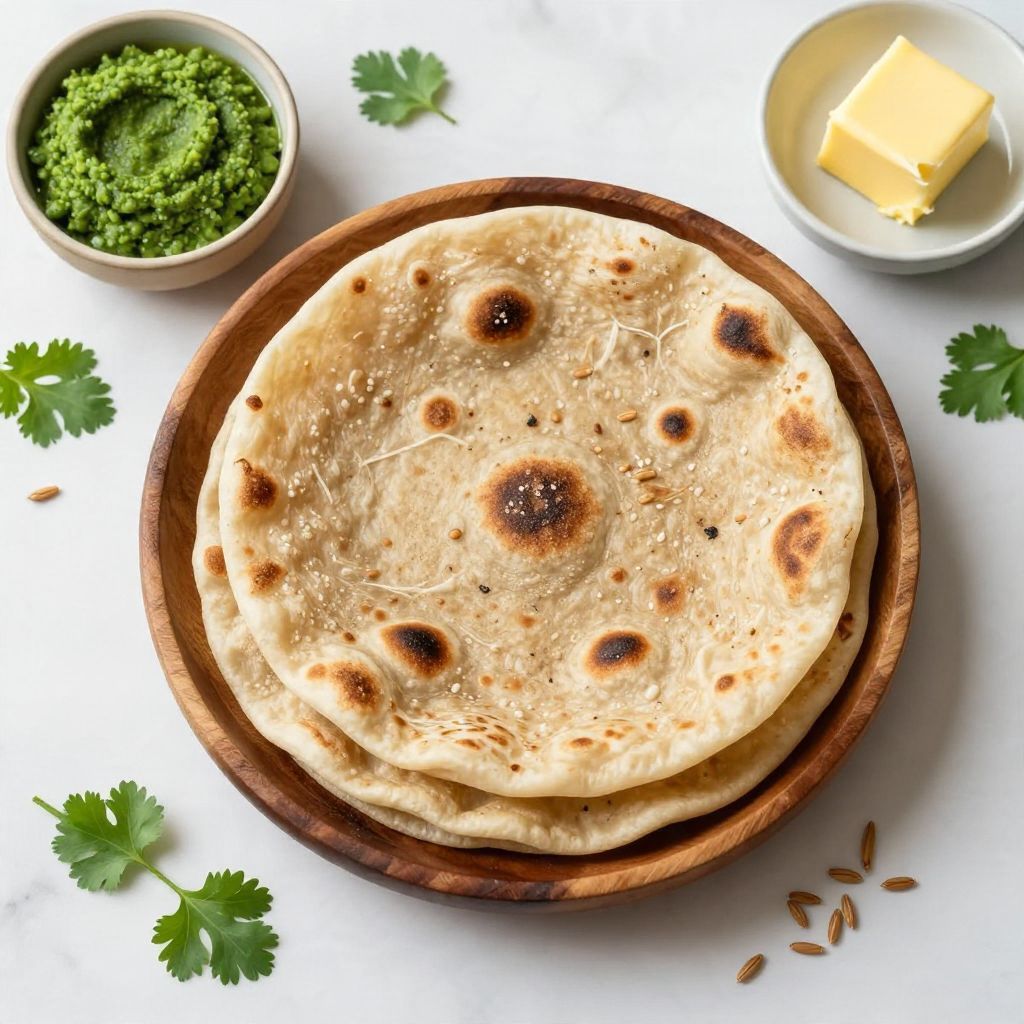
As the warm, fluffy Soft Chapati lands on your plate, the aroma of freshly cooked dough fills the air, and memories of family gatherings come rushing back. This staple Indian flatbread is not just easy to make; it is the perfect accompaniment for any curry or sabzi, adding a delightful texture and flavor to every bite.
Why You’ll Love This Recipe
This recipe stands out for its simplicity and versatility.
- Quick to prepare, making it perfect for busy weeknights.
- Requires minimal ingredients that you likely already have.
- Soft and pliable, ideal for scooping up your favorite dishes.
- Can be enjoyed with a variety of meals or even on its own.
- Easy to customize with different flours or seasonings.
My Experience Making This Recipe
Every time I make chapati, I am reminded of my grandmother’s kitchen, where the dough was always made with love. The sound of the rolling pin and the sight of puffing chapatis on the stove bring a cozy warmth to my heart.
My family eagerly awaits the first chapati to come off the pan, and the joy of watching them disappear within minutes is truly satisfying. It’s a simple recipe that always brings back fond memories and fills the home with delicious aromas.
Recipe Overview
- Recipe Name: Soft Chapati
- Servings: 8 chapatis
- Prep Time: 10 minutes
- Cook Time: 15 minutes
- Total Time: 25 minutes
- Course: Bread
- Cuisine: Indian
- Calories per Serving: 70
Equipment You Will Need
- Mixing bowl
- Rolling pin
- Non-stick skillet or tava
- Clean kitchen towel
- Measuring cups and spoons
Ingredients for Soft Chapati
- 2 cups whole wheat flour
- 1/2 teaspoon salt
- 3/4 cup warm water
- 1 tablespoon oil (optional)
Ingredient Notes and Substitutions
- Whole wheat flour: This is the traditional choice for chapati, giving it a rustic flavor. You can substitute with all-purpose flour for a softer version.
- Salt: Enhances the flavor of the chapati. If you’re watching sodium intake, you can reduce or omit it.
- Warm water: Helps to create a soft dough. Cold water may make the dough tougher.
- Oil: Adds moisture and softness. You can use ghee or melted butter as alternatives.
How to Make Soft Chapati
Step 1: Prepare the Dough
In a mixing bowl, combine the whole wheat flour and salt. This creates a uniform mixture and ensures even seasoning throughout the chapati.
Step 2: Add Water
Gradually add warm water to the flour mixture, stirring with your hand or a spoon until it starts to come together. This helps to control the dough’s consistency.
Step 3: Knead the Dough
Knead the dough for about 5-7 minutes until it’s smooth and elastic. This step develops the gluten, which is essential for a soft chapati.
Step 4: Rest the Dough
Cover the dough with a damp kitchen towel and let it rest for 15-30 minutes. Resting allows the gluten to relax, making it easier to roll out.
Step 5: Divide the Dough
After resting, divide the dough into equal portions, about the size of a golf ball. This ensures uniform chapati sizes, which cook evenly.
Step 6: Roll the Chapati
On a floured surface, take one dough ball and flatten it slightly. Roll it into a thin circle, about 6-7 inches in diameter. Keep the thickness even for consistent cooking.
Step 7: Cook the Chapati
Preheat the skillet over medium-high heat. Place the rolled chapati on the hot skillet and cook for 30 seconds until bubbles form.
Step 8: Puff and Finish Cooking
Flip the chapati and press gently with a spatula to help it puff. Cook for another 30 seconds, then remove and keep warm under a towel. This ensures the chapati stays soft.
Pro Tip: Using warm water while kneading makes a noticeable difference in the softness of your chapati.
Tips for the Best Soft Chapati
- Make sure your dough is soft and pliable; add more water if needed.
- Resting the dough is key for flexibility, so don’t skip this step.
- Keep the skillet hot but not smoking for best results.
- Use a light hand when rolling to avoid tough chapatis.
- Store cooked chapatis in a covered container to retain moisture.
Common Mistakes to Avoid
- Not resting the dough can lead to tough chapatis.
- Using cold water results in a dense texture.
- Overcooking on the skillet makes chapatis hard.
- Rolling too thin can cause them to dry out and crack.
Serving Suggestions
Soft chapatis pair beautifully with a variety of dishes, enhancing your meal experience.
- Serve with rich curries like butter chicken or palak paneer.
- Enjoy with lentils or chickpea dishes for a wholesome meal.
- Add a side of yogurt or raita for a refreshing contrast.
- Pair with spicy pickles for a flavorful kick.
Variations to Try
- Make Garlic Chapati by adding minced garlic to the dough for an aromatic twist.
- Try Multigrain Chapati using a mix of different flours for added nutrition.
- Incorporate Herbs such as cilantro or spinach for a fresh flavor boost.
- Experiment with Spiced Chapati by adding cumin seeds or ajwain.
Dietary Adaptations
- Gluten-free: Use a gluten-free flour blend for a suitable alternative.
- Dairy-free: The recipe is naturally dairy-free; just skip any added butter.
- Vegan: This recipe is vegan-friendly; no animal products are involved.
- Low-carb/Keto: Consider using almond flour for a lower-carb version.
Storage and Reheating
Refrigerator
Store leftover chapatis in an airtight container in the fridge for up to 3 days.
- Separate layers with parchment paper to prevent sticking.
Freezer
For longer storage, freeze chapatis in a single layer, then transfer to a ziplock bag.
- They can be stored for up to 2 months without losing quality.
Reheating
Reheat chapatis on a skillet over low heat for a few seconds on each side.
- Cover with a towel to retain moisture while reheating.
Nutrition Information
| Nutrient | Amount |
|---|---|
| Calories | 70 |
| Total Fat | 1g |
| Saturated Fat | 0g |
| Carbohydrates | 15g |
| Fiber | 3g |
| Sugar | 0g |
| Protein | 3g |
| Sodium | 1mg |
| Cholesterol | 0mg |
This nutritional information is an estimate and will vary based on specific ingredients used.
Frequently Asked Questions
Can I make chapati ahead of time?
Yes, you can prepare the dough and store it in the fridge for up to 2 days. Just let it come to room temperature before rolling.
What should I do if my chapatis are hard?
If your chapatis turn out hard, it may be due to overcooking or dry dough. Ensure you roll them evenly and cook on medium heat.
Can I freeze chapatis?
Absolutely! You can freeze them and reheat them as needed for convenience.
What can I use instead of whole wheat flour?
You can substitute with all-purpose flour or a gluten-free blend, but the texture may vary slightly.
Why are my chapatis not puffing up?
If they aren’t puffing, the dough may be too dry or the skillet not hot enough. Roll them evenly and adjust the heat accordingly.
Final Thoughts
Making Soft Chapati is both satisfying and rewarding, bringing a taste of tradition into your kitchen. Whether you serve them with a hearty curry or enjoy them plain, they are sure to please.
So why not give this recipe a try? And while you’re at it, explore more delicious recipes like Sourdough Naan or Fry Bread for even more culinary adventures.