
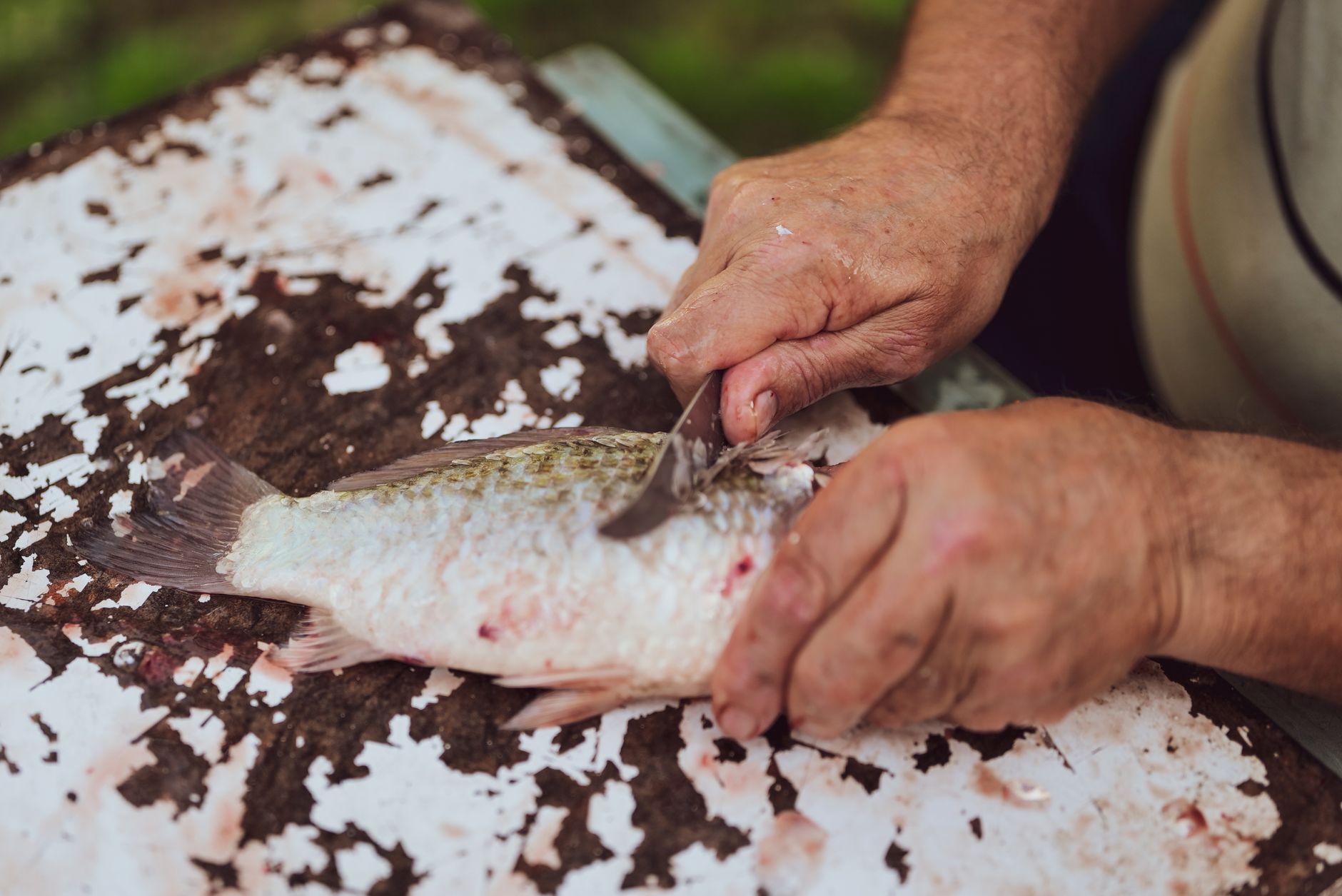
Scombroid poisoning is a foodborne illness resulting from consuming improperly stored fish, particularly varieties like tuna, mackerel, and sardines. It arises due to the buildup of histamine-like compounds when fish is not handled correctly. Understanding how to prevent this type of poisoning is critical to enjoying safe and delicious seafood meals.
This article will explore the causes of scombroid poisoning, key prevention strategies, and best practices for safely handling, storing, and cooking fish. By following these guidelines, you can reduce the risk and enjoy the culinary delights that various fish species offer.
What is Scombroid Poisoning?
Scombroid poisoning occurs when fish containing high levels of histamine are consumed. Histamine is formed by the breakdown of amino acids through the action of certain bacteria when fish is improperly stored. Symptoms of scombroid poisoning can include flushing, sweating, headache, and gastrointestinal issues like nausea or diarrhea. Symptoms usually appear quickly, within minutes to a few hours after eating, and while uncomfortable, they are typically not life-threatening.
How is Scombroid Poisoning Caused?
The key to understanding scombroid poisoning lies in its connection to how fish is handled after being caught. Fish can start to deteriorate quickly, especially at higher temperatures. Here are the main factors involved:
- Improper Storage: Fish must be stored at low temperatures, ideally below 40°F (4°C), to slow down bacterial growth. Leaving fish at room temperature or in warm environments accelerates spoilage.
- Species Susceptibility: Certain fish, particularly scombroid species like tuna, mackerel, and bonito, are more prone to high histamine levels due to their natural enzymes.
- Time: The longer fish remains unrefrigerated, the higher the chances of histamine formation. It’s crucial to consume or properly store fish as soon as possible after purchase.
How Can Scombroid Poisoning Be Prevented?
Preventing scombroid poisoning involves proper handling, storage, and cooking techniques. Here are key measures to take:
1. Choose Fresh Fish
When shopping for fish, always opt for the freshest options available. Look for signs of freshness such as:
- Clear, bright eyes
- Bright, shiny skin
- A mild oceanic scent (avoid fish with strong, unpleasant odors)
- Firm flesh that springs back when pressed
2. Pay Attention to Temperature
Temperature control is crucial for preventing the growth of harmful bacteria:
- Refrigeration: Store fish at or below 40°F (4°C). Use a refrigerator thermometer to ensure your fridge maintains the proper temperature.
- Quick Cooling: If bringing fish home from the market, ensure it’s kept cool in a cooler with ice packs, especially on warm days.
- Freezing: If unable to use the fish right away, consider freezing it. Fish should be frozen at 0°F (-18°C) or below to stop bacterial growth.
3. Handle Fish Properly
Proper handling is essential to avoid contamination:
- Keep It Clean: Use clean utensils and cutting boards to prevent cross-contamination. Never use the same board without proper washing if it held raw fish.
- Wash Hands: Always wash your hands before handling food to avoid bacteria transfer.
- Thawing: When thawing frozen fish, do so in the refrigerator, not on the kitchen counter, to maintain a safe temperature.
4. Cooking Fish Safely
Cooking fish properly helps kill most pathogens. Use the following guidelines:
- Cook Thoroughly: Fish should reach an internal temperature of 145°F (63°C). Use a food thermometer to check doneness.
- Avoid Using Raw Fish: If you’re making dishes like sushi or sashimi, ensure the fish has been previously frozen to kill potential parasites.
5. Be Wary of Leftovers
Leftover fish can also contribute to scombroid poisoning if not handled properly:
- Prompt Refrigeration: Refrigerate leftover fish within two hours of cooking (or one hour if temperatures are above 90°F / 32°C).
- Store Safely: Place leftovers in air-tight containers to prevent cross-contamination and bacteria growth.
- Use Promptly: Consume stored fish leftovers within 1 to 2 days for optimal safety.
Understanding the Symptoms of Scombroid Poisoning
Being aware of symptoms can help you seek timely assistance if needed:
- Flushing of the face or neck
- Headache
- Nausea and vomiting
- Diarrhea
- Abdominal cramps
If symptoms occur, drink plenty of fluids, and consider over-the-counter antihistamines. In severe cases, consult a doctor.
Best Practices for Storing Fish
Proper storage can greatly extend the shelf life of fish and prevent the onset of scombroid poisoning. Here are tips for effective fish storage:
1. Fresh Fish Storage
- If possible, store fish wrapped in wax paper or butcher paper, not plastic wrap, which traps moisture and promotes bacterial growth.
- Keep fish on a bed of ice in a refrigerator to maintain cold temperatures and absorb excess moisture.
2. Frozen Fish Storage
- Wrap fish tightly in aluminum foil, freezer paper, or vacuum-sealed bags to prevent freezer burn.
- Label packages with the date so you can track how long they’ve been frozen. Generally, fish can be stored in the freezer for up to 6 months.
3. Use a Fish Storage Container
Consider investing in a dedicated fish storage container designed to maintain the freshness of seafood products. These containers often include specialized features such as vents for airflow and ice packs.
Impact of Cooking Methods on Scombroid Risk
The cooking method can affect the histamine level in fish:
- Grilling and Baking: Both methods can quickly bring fish to the proper temperature, which can minimize risk.
- Steaming: Another excellent method for cooking fish that maintains moisture without compromising safety standards.
- Raw Preparations: When preparing raw fish dishes such as ceviche or sushi, ensure fish has been frozen previously to kill any parasites.
Common Mistakes to Avoid
Preventing scombroid poisoning involves a few common pitfalls to watch for:
- Failing to check the temperature of your refrigerator regularly.
- Holding leftover fish out too long at room temperature.
- Buying fish from unreliable sources or not checking for freshness signs.
- Using fish past its expiration date or known storage times.
Cooking Techniques to Consider
When it comes to cooking fish, some techniques can enhance flavor while maintaining safety:
1. Poaching
Poaching fish in seasoned water or broth can yield tender, flavorful results while minimizing the risk associated with high heat. Simply simmer the fish in your chosen cooking liquid until it flakes easily.
2. Grilling
Grilling allows excess fat to drip off while imparting a smoky flavor. Ensure direct flame contact is brief to prevent charring, which may form unwanted compounds.
3. Baking
Baking fish provides a consistent temperature, ensuring it cooks evenly. Consider wrapping fish in foil to retain moisture and enhance flavor with herbs or citrus.
4. Broiling
Broiling is akin to grilling but from above, leading to a quick cooking time. Be mindful of distance from the heat source to avoid overcooking.
Conclusion
Understanding and following food safety practices can make all the difference in preventing scombroid poisoning while enjoying delicious fish dishes. By choosing fresh fish, controlling temperatures, handling properly, and cooking it thoroughly, you can savor a wide array of fish culinary delights without concern.
Looking to explore more recipes or cooking tips? Discover easy meal planning guides, ingredient substitutions, or cooking techniques to expand your kitchen repertoire!