
There’s something magical about pompano on the plate: delicate white flesh that flakes apart at the gentlest nudge of your fork, with a subtle sweetness that makes you wonder why you don’t cook this fish more often.
Pompano is one of those underrated treasures that should be a regular on your dinner table, especially if you love seafood that tastes elegant without demanding complicated techniques. This recipe delivers restaurant-quality results in under 30 minutes, using simple pantry staples to let the fish shine.
The beauty of pompano lies in its buttery texture and mild flavor, which pairs beautifully with bright citrus, fresh herbs, and a touch of butter.
Why You’ll Love This Recipe
Pompano cooks quickly and stays moist, making it perfect for weeknight dinners or impressing guests without stress. The entire dish comes together in minutes, yet tastes like you spent hours in the kitchen.
- Ready in under 30 minutes from start to finish
- Uses just one pan, minimizing cleanup
- Naturally gluten-free and paleo-friendly
- Impressive enough for company, simple enough for solo dinner
- Works beautifully with pantry staples like lemon, garlic, and butter
My Experience Making This Recipe
I first cooked pompano on a Tuesday night when my fish counter happened to have beautiful fillets, and I’ve been hooked ever since. The delicate flake and mild flavor reminded me why I fell in love with cooking fish in the first place.
My family devoured it in minutes, and I caught myself sneaking extra bites straight from the pan before it hit their plates. The combination of crispy skin and buttery flesh with that bright lemon finish was pure comfort food that also happens to be elegant.
Now I keep pompano in my regular rotation, and honestly, it’s become one of my go-to recipes when I want something that feels special but doesn’t require me to fuss.
Recipe Overview
- Recipe Name: Pan-Seared Pompano with Lemon Butter and Fresh Herbs
- Servings: 4
- Prep Time: 10 minutes
- Cook Time: 12 minutes
- Total Time: 22 minutes
- Course: Main Course
- Cuisine: Mediterranean
- Calories per Serving: 285
Equipment You Will Need
- Large stainless steel or cast iron skillet
- Paper towels
- Measuring spoons and cups
- Knife and cutting board
- Zester or microplane
- Small bowl for mixing herbs and seasonings
- Spatula or fish turner
- Instant-read thermometer (optional but helpful)
Ingredients for Pan-Seared Pompano
- 4 pompano fillets, skin-on, about 6 ounces each
- Sea salt, to taste
- Black pepper, freshly ground, to taste
- 2 tablespoons olive oil
- 3 tablespoons unsalted butter, divided
- 4 cloves garlic, minced
- Zest and juice of 2 lemons
- 2 tablespoons fresh parsley, chopped
- 1 tablespoon fresh dill or tarragon, chopped
- Red pepper flakes, pinch (optional)
Ingredient Notes and Substitutions
- Pompano fillets: Pompano is prized for its firm texture and rich flavor profile that holds up beautifully to pan-searing. If pompano is unavailable, swap in halibut, flounder, or sea bass for similar results, though adjust cooking time slightly if using thicker fillets.
- Olive oil: Use a high-quality oil to prevent sticking and add subtle flavor. Avocado oil works as a higher smoke-point substitute if you’re cooking at a higher heat.
- Unsalted butter: Butter creates that rich, golden crust and sauce that makes this dish special. Ghee works if you need dairy-free, though it changes the flavor slightly.
- Fresh lemon: Lemon brightens the rich fish and cuts through the butter beautifully. Fresh lime or white wine vinegar can replace lemon for a different flavor direction.
- Fresh herbs: Parsley and dill are traditional, but tarragon, chives, or basil all work wonderfully and shift the profile in interesting ways.
How to Make Pan-Seared Pompano
Step 1: Prepare Your Fillets
Remove your pompano fillets from the refrigerator 10 minutes before cooking to let them reach room temperature. This ensures even cooking throughout the fillet instead of a cold center and overcooked edges.
Step 2: Pat the Fish Completely Dry
Use paper towels to thoroughly dry both sides of each fillet, paying special attention to the skin side. Moisture is the enemy of crispy skin, so take time with this step and you’ll be rewarded with that golden, crispy exterior.
Step 3: Season Generously
Sprinkle both sides of each fillet with sea salt and freshly ground black pepper about 5 minutes before cooking. Salting in advance allows the seasoning to penetrate the flesh rather than sitting on the surface.
Step 4: Heat Your Skillet
Place your skillet over medium-high heat and let it warm for about 2 minutes until a drop of water sizzles immediately. A properly heated pan is crucial for achieving that golden, crispy skin without overcooking the delicate flesh underneath.
Step 5: Add Oil and Heat
Pour olive oil into the hot skillet and swirl to coat the bottom evenly, letting it heat for about 30 seconds. The oil should shimmer and move freely, indicating it’s ready for the fish.
Step 6: Sear the Pompano Skin-Side Down
Gently place each fillet skin-side down into the hot oil, creating a slight sizzle (but not an aggressive sear). Place them skin-side down and resist the urge to move them for the first 4 to 5 minutes, which allows the skin to crisp beautifully.
Step 7: Flip and Cook the Second Side
After 4 to 5 minutes, use a thin spatula to gently flip each fillet and cook for another 3 to 4 minutes until the flesh is opaque and flakes easily. The flesh should look barely translucent at the thickest part when you peek, as it will continue cooking slightly from residual heat.
Step 8: Make the Lemon Butter Sauce
Reduce heat to low and add 1 tablespoon of butter to the pan along with minced garlic, stirring gently for about 30 seconds until fragrant. Add lemon zest and juice, then the remaining 2 tablespoons of butter, swirling everything together until emulsified.
Step 9: Finish with Herbs and Plate
Stir fresh parsley and dill into the sauce, add a pinch of red pepper flakes if you like, and spoon the warm sauce over each fillet. Serve immediately while everything is hot and the sauce is silky and cohesive.
Pro Tip: Never skip patting the fish dry and never move it around once it hits the hot pan. These two steps are what separate soggy, pale fish from restaurant-quality golden pompano every single time.
Tips for the Best Pan-Seared Pompano
- Buy pompano the same day you plan to cook it, and ask your fishmonger to remove any pin bones with tweezers. Your guests will thank you when they bite into perfectly clean fillets.
- Keep your heat at medium-high rather than maximum heat to avoid a burned exterior and raw interior. Pompano is delicate and cooks fast, so gentler heat gives you more control.
- Use a cast iron or stainless steel skillet, never nonstick, because nonstick pans don’t get hot enough to create that gorgeous crust. Cast iron is my personal choice because it maintains heat beautifully.
- Don’t baste the fish with the pan drippings as it cooks, which can disrupt the skin. Save all your love and attention for the sauce you make at the end instead.
- Have all your ingredients measured and prepped before you start cooking, because everything happens quickly once that fish hits the pan. Mise en place is not fancy, it’s just smart planning.
- Taste the lemon butter sauce before plating and adjust the seasoning if needed. A pinch of fleur de sel sprinkled on top at the end adds a nice texture pop.
Common Mistakes to Avoid
- Cooking the fish straight from the refrigerator causes uneven cooking with a cold center and overcooked edges. Room temperature fillets cook evenly from edge to center.
- Moving the fish around constantly prevents skin from crisping and can cause it to break apart. Resist the urge to fuss and let it be still.
- Using too much heat burns the skin before the flesh is cooked through and tastes acrid. Medium-high heat is your sweet spot for this delicate fish.
- Overcooking the fish turns the delicate flesh dry and rubbery, defeating the whole purpose of choosing this tender variety. Aim for just barely opaque flesh, and remember carryover cooking continues after you remove it from heat.
- Forgetting to pat the fish dry before seasoning traps moisture against the skin and prevents crisping. I cannot stress this enough: dry fish equals crispy skin.
Serving Suggestions
Pompano’s delicate flavor and silky texture pair beautifully with light sides that don’t overpower the dish. The bright, buttery lemon sauce makes it work across seasons and with countless accompaniments.
- Roasted asparagus or green beans with garlic and a squeeze of lemon
- Creamy risotto finished with fresh herbs and parmesan
- Buttered baby potatoes tossed with fresh dill
- A crisp green salad with lemon vinaigrette to echo the fish’s bright flavors
- Cauliflower puree for a lighter, vegetable-forward side dish
Variations to Try
- Mediterranean Style: Add capers, olives, and sun-dried tomatoes to the lemon butter sauce for briny depth. This shifts the flavor profile from elegant simplicity to rustic Mediterranean charm.
- Herb Crust Version: Mix panko breadcrumbs with fresh herbs, lemon zest, and grated parmesan, then press onto the flesh side before searing. This adds a satisfying crunch against the tender fish underneath.
- White Wine Sauce: Skip the lemon juice and replace it with crisp white wine like Sauvignon Blanc or Pinot Grigio, reducing it slightly before whisking in butter. This creates a more sophisticated, restaurant-style presentation.
- Asian-Inspired: Use sesame oil instead of olive oil, add ginger and soy sauce to the butter sauce, and finish with sesame seeds and scallions. This completely transforms the dish while keeping the same simple technique.
- Almond Brown Butter: Skip the herbs and instead make a nut brown butter by cooking the butter until it smells nutty, then add sliced almonds and capers. This gives you crunch and nuttiness alongside the fish.
Dietary Adaptations
- Gluten-Free: This recipe is naturally gluten-free as written, with no wheat products involved. Just verify any store-bought seasonings or spice blends don’t contain hidden gluten.
- Dairy-Free: Replace butter with high-quality olive oil or ghee in equal amounts for the sauce. The sauce will be lighter and less rich, but still delicious and bright.
- Paleo/Whole30: This recipe fits both paleo and Whole30 guidelines without any modifications. It’s packed with omega-3 fatty acids and requires no processed ingredients.
- Low-Carb/Keto: Pompano is an excellent keto choice with virtually no carbohydrates and high healthy fats. Serve with cauliflower rice or zucchini noodles instead of traditional starches.
Storage and Reheating
Refrigerator
Store leftover pompano in an airtight container for up to 2 days. The fish is best enjoyed fresh, but properly stored leftovers work great in salads or flaked over grains.
- Let cooked pompano cool completely before covering and refrigerating
- Keep sauce separate if possible to prevent the skin from getting soggy
Freezer
You can freeze cooked pompano for up to 1 month, though the delicate flesh may become slightly drier upon thawing. Freeze it in a single layer on a baking sheet before transferring to freezer bags to prevent sticking.
- Wrap each fillet individually in plastic wrap before freezing for easier portioning
- Label with the date so you remember when you froze it
Reheating
Gently reheat in a 300-degree oven on a baking sheet covered with foil for about 8 to 10 minutes until warmed through. Avoid the microwave, which can make the delicate flesh rubbery and tough.
- Add a little fresh lemon juice and butter before reheating to refresh the flavors
- Reheat only once, never multiple times, to preserve the fish’s delicate texture
Nutrition Information
| Nutrient | Amount |
|---|---|
| Calories | 285 |
| Total Fat | 18g |
| Saturated Fat | 6g |
| Carbohydrates | 2g |
| Fiber | 0g |
| Sugar | 0g |
| Protein | 32g |
| Sodium | 420mg |
| Cholesterol | 65mg |
These values are approximate and calculated using standard USDA data for pompano and butter. Individual results may vary based on exact portion sizes and specific ingredients used.
Frequently Asked Questions
Can I use frozen pompano for this recipe?
Yes, but thaw it completely in the refrigerator overnight before cooking for the best texture and flavor. Thawing at room temperature or in water can cause the delicate flesh to become mushy.
How do I know when the pompano is perfectly cooked?
The flesh should look opaque and flake easily when you press gently with a fork, with no translucent or raw appearance. An instant-read thermometer should read 145 degrees Fahrenheit at the thickest part, which is the FDA recommendation for fish.
Can I make this recipe ahead of time?
You can prep all your ingredients ahead, but cook the pompano just before serving for best results. The beauty of this recipe is that it only takes 20 minutes, so there’s minimal stress even on busy weeknights.
What if my skin isn’t crispy?
Your pan likely wasn’t hot enough or the fish wasn’t dry enough before it went in the skillet. Make sure you pat it completely dry and let your pan get properly hot, so it sizzles immediately when the fish touches it.
What’s the difference between pompano and other white fish like halibut?
Pompano has a buttery, slightly richer flavor and more delicate texture than halibut, which is firmer and milder. Pompano also has more natural oils, making it more forgiving to cook and less likely to dry out.
Can I cook pompano in the oven instead?
Absolutely, though you’ll lose that gorgeous crispy skin, which is one of the best parts of this dish. If you prefer, bake at 400 degrees on a parchment-lined baking sheet for 10 to 12 minutes until cooked through, then make the sauce separately on the stovetop.
Final Thoughts
Pan-seared pompano is proof that simple ingredients and good technique create magic on the plate. This recipe belongs in your regular rotation because it’s fast, forgiving, and tastes far more impressive than the effort involved.
Try this dish this week and discover why pompano deserves more attention at your table. Once you taste how buttery and delicate it is with nothing more than lemon, herbs, and butter, you’ll understand why I never pass it up at the fish counter.
If you enjoyed this recipe, explore more seafood options that cook just as quickly. Try our seafood boil sauce recipe for a different take on celebrating fresh catch, or check out our baked haddock recipe for another elegant white fish preparation.
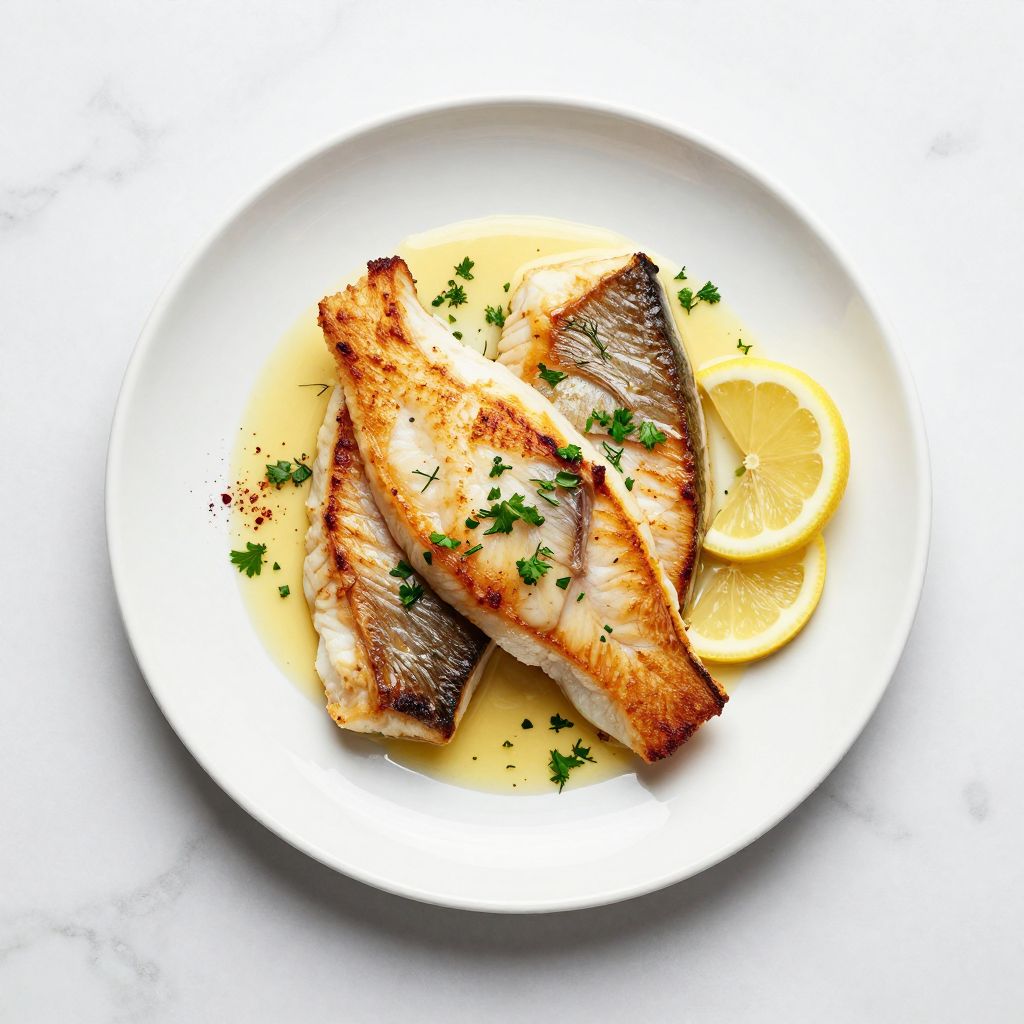
Pan-Seared Pompano with Lemon Butter and Fresh Herbs
Ingredients
Equipment
Method
- Remove pompano fillets from the refrigerator and let them stand at room temperature for 10 minutes.
- Pat both sides of each fillet completely dry with paper towels, especially the skin side.
- Season both sides of the fillets generously with sea salt and freshly ground black pepper 5 minutes before cooking.
- Heat a large stainless steel or cast iron skillet over medium-high heat for about 2 minutes, until a drop of water sizzles on contact.
- Add 2 tablespoons of olive oil to the hot skillet and heat for about 30 seconds, until the oil shimmers.
- Place each fillet skin-side down in the skillet and cook without moving for 4 to 5 minutes, until the skin is golden and crispy.
- Gently flip each fillet and cook the second side for 3 to 4 minutes, until the flesh is opaque and flakes easily.
- Reduce heat to low and add 1 tablespoon of butter and the minced garlic, stirring for about 30 seconds until fragrant. Add lemon zest and juice, then the remaining 2 tablespoons of butter, swirling until the sauce is emulsified.
- Stir fresh parsley and dill into the sauce, add a pinch of red pepper flakes if desired, and spoon the warm lemon butter sauce over each fillet. Serve immediately while hot.