
Picture this: a perfectly formed piece of sushi rice topped with a slice of fresh fish, all gently drizzled with soy sauce. That’s the beauty of Nigiri, a classic Japanese dish that brings simplicity and elegance to the table. This recipe is special because it’s not just about the flavors; it’s about the art of making sushi at home. With its delicate balance of texture and taste, Nigiri is a delightful treat that impresses guests yet is easy enough for a cozy night in. Let’s gather our ingredients and get started!
Why You’ll Love This Recipe
This recipe is a must-try for sushi lovers and home cooks alike.
- Quick and straightforward to make.
- Versatile with various toppings.
- Impressive for dinner parties.
- Fresh, bold flavors that shine through.
- Hands-on fun for the whole family.
My Experience Making This Recipe
The first time I tried making Nigiri, I was both excited and a bit nervous. As the rice came together, the sweet aroma filled my kitchen, making me feel like a sushi chef in a bustling Tokyo restaurant.
When my family sat down to enjoy the first bite, the smiles on their faces were priceless. The combination of flavors and textures was a hit, and I knew I had found a new favorite dish to make.
Recipe Overview
- Recipe Name: Nigiri
- Servings: 4
- Prep Time: 30 minutes
- Cook Time: 20 minutes
- Total Time: 50 minutes
- Course: Main Course
- Cuisine: Japanese
- Calories per Serving: 200
Equipment You Will Need
- Rice cooker or pot
- Large mixing bowl
- Sharp knife
- Sushi mat (optional)
- Plastic wrap
Ingredients for Nigiri
- 1 cup sushi rice
- 1 1/4 cups water
- 2 tablespoons rice vinegar
- 1 tablespoon sugar
- 1/2 teaspoon salt
- 8 ounces sushi-grade fish (like salmon or tuna), sliced
- Wasabi, for serving
- Soy sauce, for serving
Ingredient Notes and Substitutions
- Sushi rice: This short-grain rice becomes sticky when cooked, perfect for holding together. You can substitute with short-grain white rice if needed, but the texture may differ.
- Rice vinegar: Adds a tangy flavor essential to sushi rice. If unavailable, apple cider vinegar can work in a pinch.
- Sushi-grade fish: Freshness is key for this dish. If sushi-grade fish isn’t accessible, consider cooked shrimp or crab instead.
How to Make Nigiri
Step 1: Rinse the Rice
Start by rinsing the sushi rice under cold water until the water runs clear. This removes excess starch, helping the rice to cook evenly and not become gummy.
Step 2: Cook the Rice
Add the rinsed rice and water to your rice cooker or pot. Cook according to the rice cooker’s instructions or bring to a boil, then cover and simmer on low for 20 minutes.
Step 3: Prepare the Vinegar Mixture
While the rice cooks, combine rice vinegar, sugar, and salt in a small saucepan over low heat. Stir until the sugar dissolves, creating a light sushi vinegar.
Step 4: Mix the Rice
Once the rice is done, transfer it to a large mixing bowl. Gently fold in the vinegar mixture using a wooden spatula, being careful not to mash the rice.
Step 5: Cool the Rice
Allow the rice to cool to room temperature. This step is crucial as it firms up the rice, making it easier to shape into nigiri.
Step 6: Shape the Rice
Wet your hands with water to prevent sticking, then grab a small handful of rice. Shape it into a compact oval, pressing gently but not too hard.
Step 7: Add the Topping
Take a slice of your chosen fish and place it gently on top of the shaped rice. Use your fingers to lightly press the fish onto the rice to help it adhere.
Step 8: Serve and Enjoy
Arrange your Nigiri on a platter and serve with wasabi and soy sauce. Enjoy the burst of flavors and the satisfaction of your homemade sushi!
Pro Tip: Use a sharp knife to slice the fish; this ensures clean cuts and better presentation.
Tips for the Best Nigiri
- Choose the freshest fish possible for the best flavor and safety.
- Don’t overcrowd the rice; each piece should be distinct and easy to grab.
- Experiment with different toppings, including vegetables like avocado or cucumber.
- Keep your hands wet when shaping the rice to avoid sticking.
- Serve immediately for the best texture; nigiri is best enjoyed fresh.
Common Mistakes to Avoid
- Using regular rice instead of sushi rice can lead to poor texture.
- Overcooking the rice makes it mushy and difficult to shape.
- Not cooling the rice properly can make it hard to mold.
- Using fish that isn’t sushi-grade can risk food safety.
- Pressing the rice too hard can make it dense and unappetizing.
Serving Suggestions
Pair your Nigiri with a refreshing cucumber salad or miso soup for a complete meal.
- Edamame
- Seaweed salad
- Sushi rolls with different fillings
- Pickled ginger as a palate cleanser
- Green tea to enhance the flavors
Variations to Try
- Use grilled shrimp for a smoky twist on traditional nigiri.
- Try vegetarian options with marinated tofu or avocado slices.
- Experiment with flavored rice by incorporating sesame seeds or furikake.
- Top with a drizzle of spicy mayo for a zesty kick.
- Mix in herbs like shiso for an aromatic flavor boost.
Dietary Adaptations
- Gluten-free: Use tamari instead of regular soy sauce.
- Dairy-free: This recipe is naturally dairy-free.
- Vegan/Vegetarian: Use vegetables or tofu as toppings.
- Low-carb/Keto: Substitute rice with cauliflower rice.
Storage and Reheating
Refrigerator
Store leftover nigiri in an airtight container in the fridge for up to 24 hours.
- Keep rice and fish separate if possible.
- Consume quickly for the best taste and texture.
Freezer
It’s not recommended to freeze nigiri as the rice and fish do not hold up well.
- Freshness is key for the best flavor.
- Consider preparing the ingredients separately if you want to store them.
Reheating
If you must reheat, use a microwave for a few seconds but expect changes in texture.
- Serve with fresh toppings to enhance flavor.
- Do not reheat fish; enjoy it cold.
Nutrition Information
| Nutrient | Amount |
|---|---|
| Calories | 200 |
| Total Fat | 3g |
| Saturated Fat | 1g |
| Carbohydrates | 38g |
| Fiber | 1g |
| Sugar | 1g |
| Protein | 7g |
| Sodium | 500mg |
| Cholesterol | 30mg |
This nutritional information is an estimate and can vary based on specific ingredients used.
Frequently Asked Questions
Can I use regular rice for nigiri?
Regular rice won’t work well as it lacks the stickiness needed to hold the shape. Stick to sushi rice for the best results.
Can I make nigiri ahead of time?
It’s best to make nigiri fresh, but you can prepare the rice and toppings separately. Assemble just before serving for optimal taste.
How should I store leftover nigiri?
Store it in an airtight container in the fridge and eat within a day for the best quality. Avoid freezing if possible.
Why is my nigiri falling apart?
This usually happens if the rice is too dry or not sticky enough. Ensure you rinse the rice well and use the right amount of water.
What types of fish can I use for nigiri?
You can use a variety of sushi-grade fish, including salmon, tuna, or even shrimp. Just ensure it’s fresh and safe for raw consumption.
Final Thoughts
Making Nigiri at home is a rewarding experience that can elevate any meal. With fresh ingredients and a little practice, you’ll impress anyone with your sushi skills.
So grab your ingredients and get rolling! For more delightful recipes, check out our lox recipe and learn how to make a delicious ahi tuna recipe.
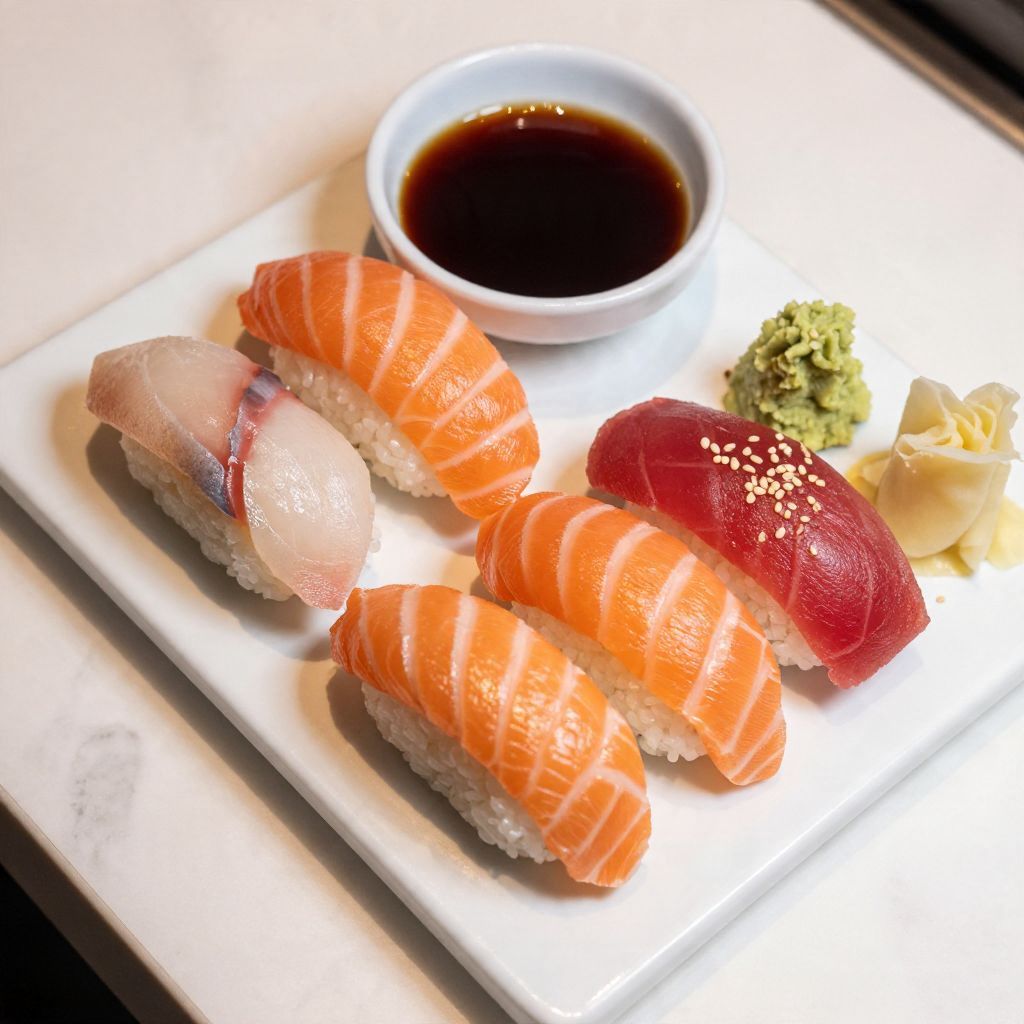
Nigiri
Ingredients
Equipment
Method
- Rinse the sushi rice under cold water until the water runs clear.
- Add the rinsed rice and water to your rice cooker or pot. Cook according to the rice cooker's instructions or bring to a boil, then cover and simmer on low for 20 minutes.
- While the rice cooks, combine rice vinegar, sugar, and salt in a small saucepan over low heat. Stir until the sugar dissolves.
- Once the rice is done, transfer it to a large mixing bowl and gently fold in the vinegar mixture.
- Allow the rice to cool to room temperature.
- Wet your hands with water, then grab a small handful of rice and shape it into a compact oval.
- Place a slice of your chosen fish on top of the shaped rice and press lightly to adhere.
- Arrange your nigiri on a platter and serve with wasabi and soy sauce.