
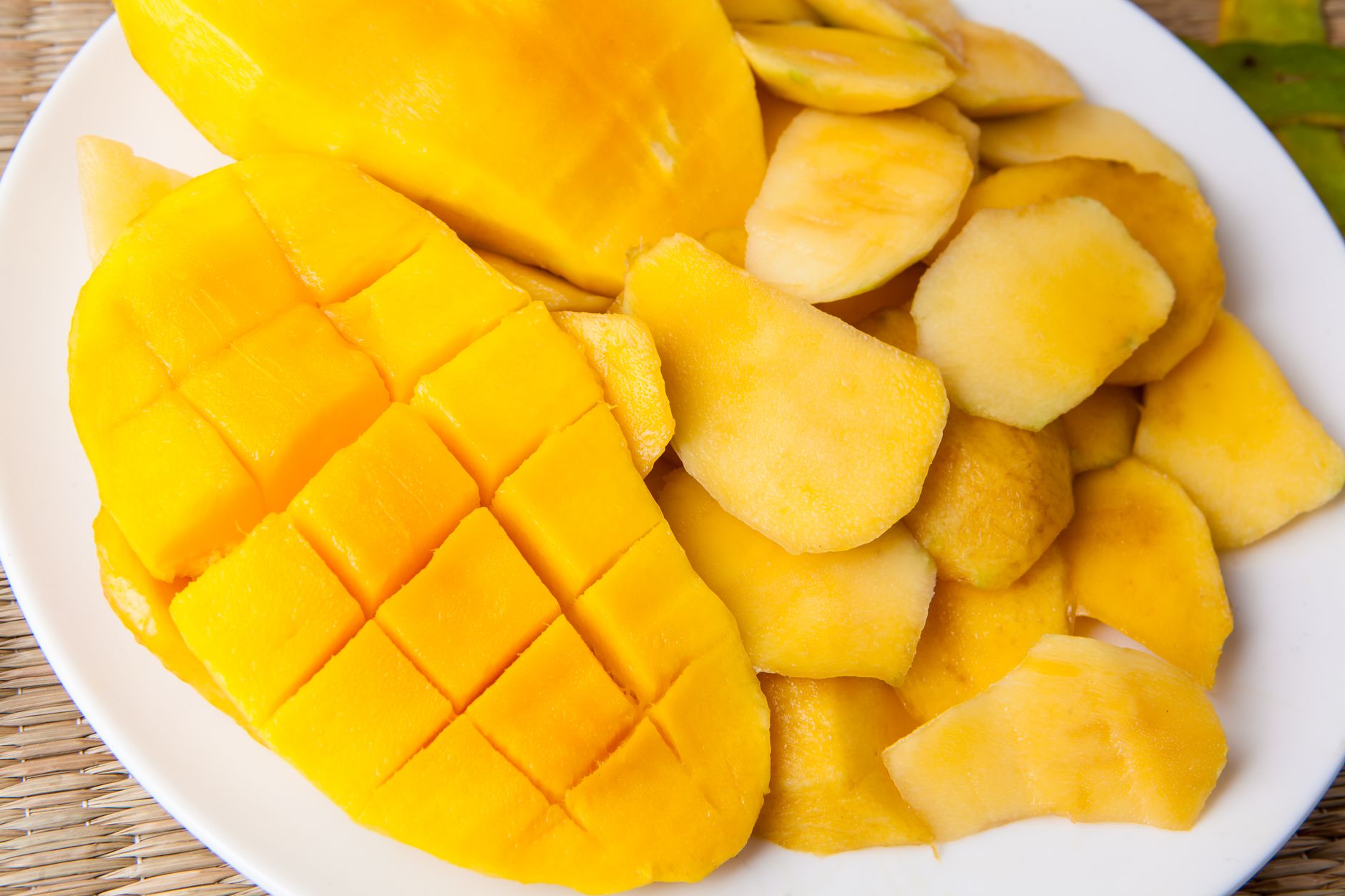
Canned mango is a versatile ingredient that captures the tropical sweetness of fresh mangoes all year round. Whether you’re looking to create sweet or savory dishes, mango can add a delightful burst of flavor and a vibrant color to your meals. In this article, we will explore the various facets of canned mango, including nutritional facts, kitchen uses, and creative serving ideas.
Mangoes, known as the “king of fruits,” are loved for their juicy, sweet, and fragrant flesh. Canning mango preserves its natural flavors and makes it available in a convenient form, ready to enhance your culinary creations. Let’s delve into the details of using mango can in your kitchen!
What is Mango Can?
Mango can refers to the product of mangoes that have been peeled, sliced, and preserved in a can, usually in juice or syrup. This method of preservation retains the flavor, color, and nutrients of the fruit, making it a convenient option for cooking and baking.
Nutritional Facts of Canned Mango
Canned mango can be a nutritious addition to your diet, offering a variety of vitamins and minerals. Here are some key nutritional facts:
- Calories: Approximately 100 calories per cup (in juice, drained)
- Carbohydrates: 25 grams
- Dietary Fiber: 3 grams
- Vitamin C: About 50% of the Daily Value (DV)
- Vitamin A: Approximately 20% of the DV
- Potassium: 10% of the DV
It’s worth noting that the nutritional content may vary based on the syrup’s added sugars and preservatives. Always check the label for specific information.
Choosing the Right Canned Mango
When selecting canned mango, consider the following tips to ensure you choose the best product:
- Check the Ingredients: Look for canned mango products with minimal ingredients, ideally just mango, water, and perhaps a light syrup. Avoid those with added preservatives or artificial flavors.
- Opt for Fruit Packed in Juice: For a healthier option with fewer calories, choose mango canned in juice rather than syrup.
- Inspect the Packaging: The can should be free from dents or rust. A damaged can may indicate compromised quality.
Kitchen Uses of Canned Mango
Canned mango can be utilized in a myriad of ways in the kitchen, elevating both sweet and savory dishes. Here are several inventive applications:
1. Smoothies and Shakes
Canned mango is an excellent addition to smoothies, offering instant flavor and sweetness. Combine it with yogurt, spinach, or other fruits for a refreshing drink.
2. Baking
Incorporate canned mango into baking recipes such as muffins, cakes, or breads. The fruit’s moisture can enhance the texture and flavor of your baked goods.
3. Sauces and Salsas
Pureed canned mango can be transformed into a sweet sauce or a fresh salsa. Pair it with diced onions, cilantro, and lime for a delicious topping for grilled fish or chicken.
4. Salad Ingredients
Add chunks of canned mango to salads for a tropical twist. It pairs well with greens, nuts, and a variety of dressings, offering a burst of sweetness.
5. Desserts
Use canned mango in desserts such as trifles, pavlovas, or tarts. It can also be used to make mango mousse for a light and airy conclusion to a meal.
6. Curries and Stir-Fries
Introduce diced or pureed canned mango into curry recipes or stir-fries. Its natural sweetness can balance spicy flavors beautifully.
Serving Ideas with Canned Mango
Here are some creative serving ideas that highlight canned mango’s versatility:
1. Tropical Fruit Salad
- Mix canned mango with diced pineapple, kiwi, and bananas.
- Drizzle with fresh lime juice and garnish with mint leaves.
This colorful salad makes for a refreshing side dish or dessert.
2. Mango Chicken Wraps
- Shred cooked chicken and combine it with diced canned mango.
- Wrap it in a tortilla with spinach and a drizzle of yogurt or ranch dressing.
These wraps are perfect for a quick lunch or picnic meal.
3. Mango Chia Pudding
- Combine chia seeds with almond milk and let sit overnight to thicken.
- Layer with canned mango before serving for a nutritious breakfast or snack.
This combination provides a delightful texture and richness.
4. Grilled Mango Skewers
- Thread chunks of canned mango onto skewers with bell peppers and shrimp.
- Grill until shrimp are cooked through and the mango is slightly caramelized.
Serve as an impressive appetizer at your next gathering.
Common Mistakes When Using Canned Mango
Here are some common mistakes to avoid when using canned mango:
- Using the Fruit Straight from the Can: Always drain the excess juice or syrup to prevent overly sweet dishes.
- Overcooking: Canned mango is already cooked, so adding it at the end of your cooking process is best to retain its texture and flavor.
- Not Adjusting Sweetness: Canned mango may add extra sweetness, so remember to adjust other sweet ingredients accordingly.
Practical Substitutions for Canned Mango
If you run out of canned mango or want to experiment with flavors, consider these substitutions:
- Fresh Mango: Use an equal amount of peeled and chopped fresh mango for a fresher taste.
- Peaches or Apricots: Canned peaches or apricots can serve as alternatives in most recipes, offering similar sweetness.
- Pineapple: Canned pineapple can offer a tangy twist if you’re looking for something different.
Storage Tips for Canned Mango
Understanding how to store canned mango properly is essential for maintaining its quality. Here are some storage tips:
- Unopened Cans: Store in a cool, dry place. They can last for years if kept unexposed to heat or humidity.
- Opened Cans: Transfer any unused mango to an airtight container and refrigerate. Consume within 3 to 5 days.
- Freezing: If you want to extend the life of your canned mango, consider freezing portions in airtight bags for up to 6 months.
Do It Yourself: How to Can Your Own Mango
If you’re interested in canning mango at home, here is a simple method:
Ingredients:
- Fresh ripe mangoes
- Sugar (optional, depending on sweetness preference)
- Lemon juice
- Water
Equipment Needed:
- Canning jars
- Canning pot with rack
- Jar lifter
- Warm water bath for sealing
Steps to Follow:
- Prepare the mangoes by washing, peeling, and slicing them into desired chunks.
- Make a sugar syrup if desired by boiling water with sugar until dissolved.
- Pack the mango slices into sterilized jars, leaving some headspace.
- Pour syrup or water mixed with lemon juice over the mango, ensuring the fruit is covered.
- Wipe the rims of the jars clean and seal with lids.
- Process in a boiling water bath for 20-30 minutes to create a vacuum seal.
- Allow jars to cool completely before storing them in a cool, dark place.
Using Canned Mango in Different Cuisines
Canned mango can find its way into various global cuisines. Here are some notable integrations:
1. Asian Cuisine
Mango can be used in Thai salads such as Som Tum, adding a sweet contrast to spicy flavors.
2. Caribbean Cuisine
In Caribbean cooking, canned mango complements jerk chicken, offering a delicious balance to the heat of spices.
3. Indian Cuisine
In Indian dishes, mango is often used in chutneys or desserts like mango lassi and shrikhand, providing authenticity to flavor profiles.
Conclusion
Canned mango serves as a convenient and flavorful ingredient that can brighten up a range of dishes. From smoothies to sauces and desserts, its versatility makes it a kitchen essential. Consider incorporating canned mango into your meal planning to enjoy its delightful taste year-round.
Explore more delightful recipes like Mango Habanero Sauce or a light dessert with Mango Mousse to make the most out of this tropical fruit!