
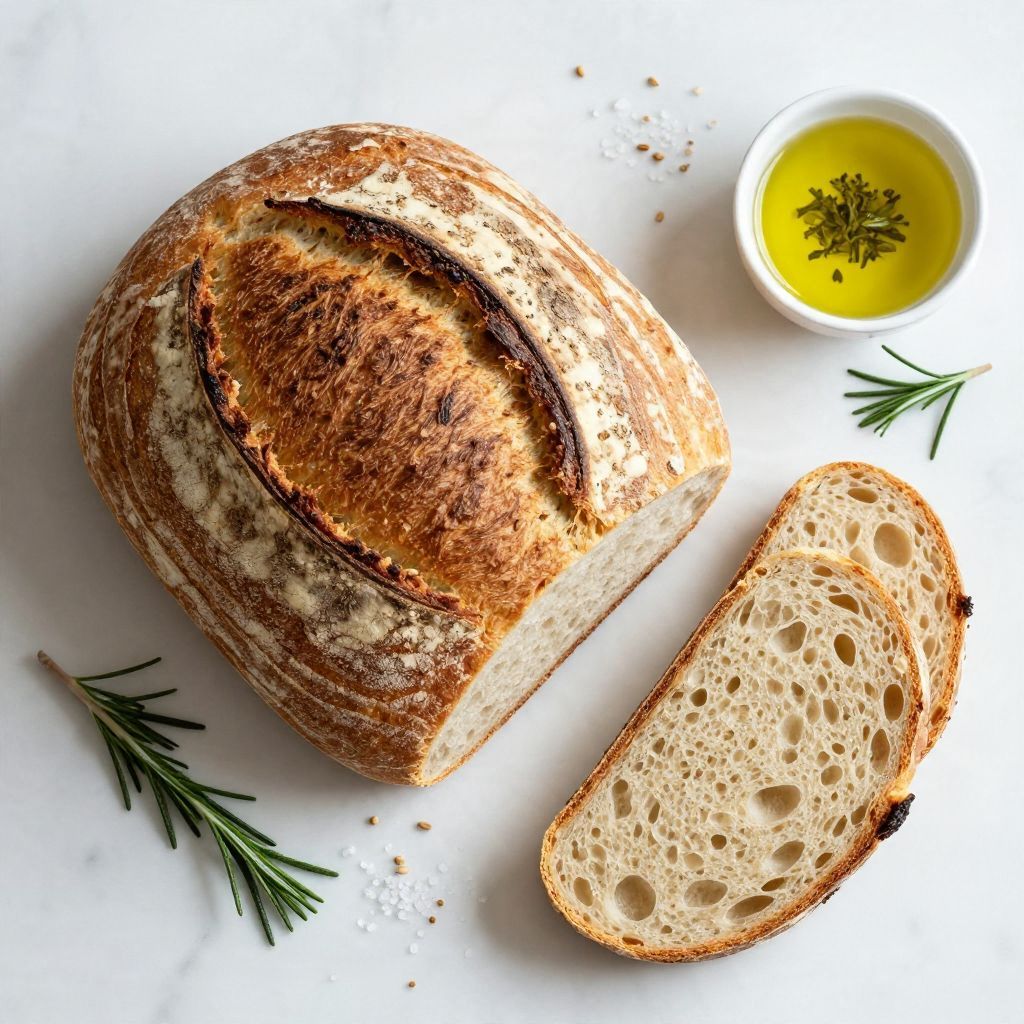
Imagine the warm aroma of freshly baked bread wafting through your kitchen, bringing a little slice of heaven into your home. The King Arthur Sourdough Recipe captures that feeling perfectly, with its tangy flavor and crusty exterior that makes every loaf a delightful experience. This recipe is special because it balances simplicity with the rewarding process of sourdough baking, ensuring you get a loaf that’s both flavorful and impressive. With its chewy texture and the satisfying crunch of its crust, it’s a must-try for any bread lover. Let’s dive into the details of this delicious bread!
Why You’ll Love This Recipe
There are countless reasons to adore this sourdough recipe.
- It’s made with simple ingredients that are easy to find.
- The process allows for a deep, tangy flavor that develops over time.
- You can customize it with additions like herbs or seeds.
- Every loaf is unique, making baking it an art.
- It’s a fantastic project for both beginners and seasoned bakers.
My Experience Making This Recipe
When I first attempted the King Arthur Sourdough Recipe, I was surprised by how rewarding the whole process felt. The dough came together beautifully, and watching it rise was like witnessing a little miracle.
As the loaf baked, my kitchen filled with an irresistible aroma, making it hard to wait for it to cool before slicing. The first bite was pure bliss; the flavor was complex yet comforting, and I couldn’t help but smile at my creation.
Recipe Overview
- Recipe Name: King Arthur Sourdough Recipe
- Servings: 12 slices
- Prep Time: 30 minutes
- Cook Time: 45 minutes
- Total Time: 12 hours (including rising time)
- Course: Bread
- Cuisine: American
- Calories per Serving: 120
Equipment You Will Need
- Large mixing bowl
- Kitchen scale (for precise measurements)
- Dough scraper
- Proofing basket (banneton)
- Dutch oven or baking stone
- Lame or sharp knife for scoring
Ingredients for King Arthur Sourdough Recipe
- 500g bread flour (high protein content for better gluten development)
- 350g water (room temperature for optimal fermentation)
- 100g sourdough starter (active and bubbly for a good rise)
- 10g salt (enhances flavor and strengthens dough)
Ingredient Notes and Substitutions
- Bread flour: This flour provides structure; all-purpose flour can be used, but the texture may vary slightly.
- Water: Use filtered or bottled water if your tap water is heavily chlorinated.
- Sourdough starter: A healthy starter is crucial; you can make your own or purchase one from a bakery.
- Salt: Sea salt or kosher salt can be used, but avoid table salt with additives.
How to Make King Arthur Sourdough Recipe
Step 1: Mix the Dough
In a large mixing bowl, combine the bread flour and water. Mix with your hands or a dough whisk until no dry flour remains.
Step 2: Add the Starter
Incorporate the sourdough starter into the dough. This step is crucial as it introduces the wild yeast needed for fermentation.
Step 3: Add Salt
Sprinkle the salt over the dough and mix it in. Salt strengthens the gluten and enhances the flavor, so don’t skip this step!
Step 4: Bulk Fermentation
Cover the bowl with a damp cloth and let it sit at room temperature for about 4 hours. During this time, the dough will rise and develop flavor.
Step 5: Stretch and Fold
Every 30 minutes during the bulk fermentation, perform a series of stretch and folds. This helps strengthen the dough and creates a better structure.
Step 6: Shape the Dough
After bulk fermentation, turn the dough out onto a lightly floured surface. Shape it into a round loaf, being gentle to retain the air bubbles.
Step 7: Proof the Dough
Place the shaped dough into a proofing basket, seam side up. Cover it and let it proof for another 2 to 4 hours, or overnight in the fridge for more flavor.
Step 8: Bake the Bread
Preheat your oven with a Dutch oven inside to 450°F (232°C). Carefully transfer the dough into the hot pot, score the top, and cover. Bake for 30 minutes covered, then 15 minutes uncovered for a perfect crust.
Pro Tip: Use a digital thermometer to check for doneness; the internal temperature should be around 200°F (93°C).
Tips for the Best King Arthur Sourdough Recipe
- Keep your starter active by feeding it regularly; this ensures a good rise.
- Use a kitchen scale for accurate measurements; it makes a noticeable difference in the final product.
- Experiment with longer fermentation times for deeper flavor.
- Keep your workspace floured to prevent sticking and make shaping easier.
- Be patient during the rising process; good things take time!
Common Mistakes to Avoid
- Not using an active starter can lead to flat bread; always feed your starter before use.
- Skipping the stretch and folds can result in dense bread; this technique builds strength.
- Over-proofing can cause the dough to collapse; watch for a slight rise and a puffy appearance.
- Baking in a cold oven results in a poor crust; always preheat your Dutch oven.
Serving Suggestions
This sourdough is delightful on its own, but it pairs beautifully with various toppings.
- Spread with butter and a sprinkle of sea salt.
- Pair with fresh jam or honey for a sweet treat.
- Serve alongside soups or stews for a hearty meal.
- Create delicious toast topped with avocado and a poached egg.
Variations to Try
- Add herbs like rosemary or thyme for a fragrant twist.
- Incorporate seeds such as sesame or sunflower for extra crunch.
- Mix in dried fruits like cranberries or apricots for a sweet version.
- Experiment with whole wheat or rye flour for a different flavor profile.
Dietary Adaptations
- Gluten-free: Substitute with a gluten-free flour blend, but the texture will differ.
- Dairy-free: This recipe is naturally dairy-free, so no substitutions are needed.
- Vegan: The recipe is vegan as is; just ensure your starter is free from animal products.
- Low-carb/keto: This recipe is not suitable, but you can explore almond flour alternatives.
Storage and Reheating
Refrigerator
Store the bread in a paper bag to maintain its crust. Avoid plastic bags to prevent a soggy texture.
- Keep at room temperature for up to 3 days.
- For longer storage, slice and freeze.
Freezer
Wrap the cooled bread tightly in plastic wrap or foil. This keeps it fresh for longer periods.
- Freeze for up to 3 months.
- Label and date the package for reference.
Reheating
To bring back the crusty texture, preheat your oven to 350°F (175°C) and warm the bread for about 10 minutes.
- For best results, reheat it from frozen.
- Let it cool slightly before slicing for easier handling.
Nutrition Information
| Nutrient | Amount |
|---|---|
| Calories | 120 |
| Total Fat | 0.5g |
| Saturated Fat | 0g |
| Carbohydrates | 24g |
| Fiber | 1g |
| Sugar | 0g |
| Protein | 4g |
| Sodium | 200mg |
| Cholesterol | 0mg |
This nutritional information is an estimate and may vary based on specific ingredients used.
Frequently Asked Questions
Can I use all-purpose flour instead of bread flour?
Yes, but the texture may be slightly different, with less chewiness in the crust.
Can I make this bread ahead of time?
Absolutely! The dough can be refrigerated overnight for enhanced flavor before baking.
How should I store leftover bread?
Wrap it in a paper bag at room temperature for up to three days or freeze it for longer storage.
Why is my bread dense?
This could be due to an inactive starter or not enough stretch and folds during fermentation.
Can I add other ingredients to the dough?
Definitely! Feel free to experiment with herbs, seeds, or dried fruits to customize your loaf.
Final Thoughts
Baking your own sourdough can be one of the most satisfying experiences in the kitchen. With this King Arthur Sourdough Recipe, you’re not just making bread; you’re creating a delicious centerpiece for any meal.
So gather your ingredients, embrace the process, and enjoy the magic of homemade sourdough. For more delicious recipes like this, check out my King Arthur Sourdough Recipe and try a fun sourdough discard bagel recipe too!