
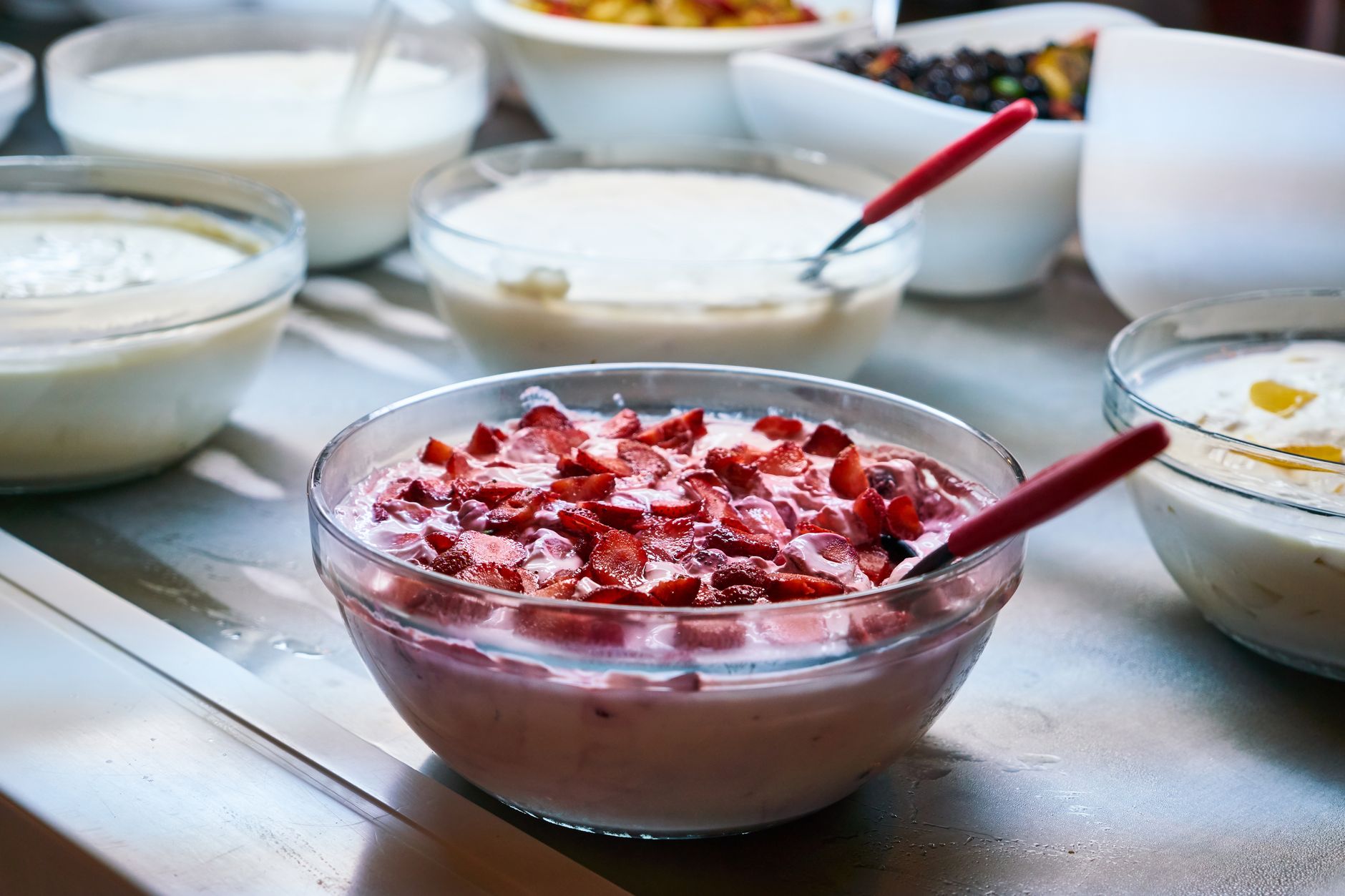
Pregnancy comes with various dietary considerations, and many expectant mothers wonder if yogurt is a healthy addition to their meals. Yogurt offers a range of benefits that can support both the mother and developing baby. This guide delves into the nutritional profile of yogurt, its advantages during pregnancy, potential concerns, and how to incorporate it into daily meals effectively.
Yogurt is a versatile ingredient that can be enjoyed on its own or used in a variety of dishes. With its creamy texture and tangy flavor, it can serve as a base for smoothies, an ingredient in dressings, or a topping for meals and snacks. Let’s explore why yogurt can be a great choice for pregnant women.
Is Yogurt Good for Pregnant Women?
Yes, yogurt is generally considered good for pregnant women due to its rich nutritional value. It provides essential nutrients, strengthens the immune system, and supports digestive health. Yet, it’s vital to choose the right type of yogurt and be mindful of any dietary restrictions.
Nutritional Benefits of Yogurt During Pregnancy
Yogurt is packed with essential nutrients that can benefit both the mother and the developing fetus. Here are some key components of yogurt that make it a favorable choice:
- Calcium: Yogurt is a significant source of calcium, which is essential for the development of the baby’s bones and teeth. Adequate calcium intake can also help prevent the mother’s bones from weakening.
- Protein: The protein content in yogurt helps support the increased nutritional needs during pregnancy, aiding in the growth of fetal tissue, including the brain.
- Probiotics: Many yogurts contain live cultures that promote gut health. Probiotics can help alleviate common digestive issues during pregnancy, such as constipation and bloating.
- Vitamins: Yogurt is a good source of B vitamins, especially B12 and riboflavin, which help in energy metabolism and the healthy development of the fetus.
- Low Sugar Options: Those who are concerned about added sugars can opt for plain yogurt or low-sugar varieties, making it easy to manage overall sugar intake.
Choosing the Right Yogurt
When selecting yogurt, not all types are created equal. Here are some considerations to keep in mind:
Types of Yogurt
- Regular Yogurt: Typically made from whole milk, it contains more fat and calories compared to low-fat or fat-free alternatives.
- Greek Yogurt: This type is thicker and creamier, with higher protein content due to the straining process. It can be an excellent option for adding protein to meals.
- Non-Dairy Yogurt: Made from almond, coconut, soy, or oat milk, these options can be suitable for those who are lactose intolerant or following a vegan diet. Ensure they’re fortified with calcium and vitamin D.
- Flavored Yogurt: These varieties often contain added sugars. If choosing flavored yogurt, look for ones with natural sweeteners or limited sugar content.
Reading Labels
When purchasing yogurt, always check the nutrition label. Look for:
- Live active cultures, which contribute to gut health.
- A low sugar content, ideally below 10 grams per serving.
- Calcium and protein levels to ensure you’re getting enough of these key nutrients.
Potential Concerns and Considerations
While yogurt is generally safe for pregnant women, there are a few factors to consider:
Pasteurization
Always choose pasteurized yogurt to reduce the risk of foodborne illnesses. Unpasteurized dairy products can harbor harmful bacteria such as Listeria, which can pose risks during pregnancy.
Lactose Intolerance
Some women experience lactose intolerance during pregnancy. If you find you have difficulties digesting regular yogurt, opt for lactose-free or non-dairy yogurt alternatives.
Allergies
As with any food, be mindful of allergies. If you have a known dairy allergy, non-dairy yogurts are a suitable alternative. Always check labels for any allergens, especially in flavored yogurts.
How to Incorporate Yogurt into Your Diet
Yogurt can be easily included in various meals throughout the day. Here are some ideas for integrating it into your diet:
Breakfast
- Mix yogurt with granola and fresh fruits for a nutritious breakfast parfait.
- Blend yogurt into smoothies with spinach, bananas, and a tablespoon of nut butter for added creaminess and protein.
- Serve yogurt with oats, nuts, and honey for a filling overnight oats breakfast.
Snacks
- Pair yogurt with sliced vegetables like cucumbers or bell peppers for a healthy dip.
- Top yogurt with nuts, seeds, or dried fruits as a satisfying afternoon snack.
Dinners
- Use yogurt as a base for salad dressings or sauces by mixing it with herbs and spices.
- Serve yogurt on the side of spicy dishes to help balance flavor.
Desserts
- Substitute yogurt for cream in recipes, such as in cheesecake or pudding, to create lighter desserts.
- Freeze yogurt with fruits in molds for a refreshing summer treat.
Quick and Easy Yogurt Recipe for Pregnant Women
This simple yogurt parfait is perfect for breakfast or a snack. It’s nutritious, delicious, and can be made in under 10 minutes.
Yogurt Parfait Recipe
- Ingredients:
- 1 cup plain Greek yogurt
- 1/2 cup granola (low-sugar variety)
- 1 cup mixed berries (strawberries, blueberries, raspberries)
- 1 tablespoon honey or maple syrup (optional)
Preparation Steps:
- In a glass or bowl, start by adding half of the Greek yogurt.
- Layer half of the granola and half of the mixed berries on top of the yogurt.
- Repeat the layers with the remaining yogurt, granola, and berries.
- If desired, drizzle honey or maple syrup on top before serving.
- Enjoy immediately, or cover and refrigerate for a quick, healthy snack later.
Storage and Shelf Life of Yogurt
Proper storage of yogurt is crucial to maintain its freshness and safety during pregnancy.
Refrigeration
- Store yogurt in the refrigerator at or below 40°F (4°C).
- Keep it tightly sealed to prevent contamination and drying out.
Shelf Life
Unopened yogurt typically lasts for 1-3 weeks past its expiration date when refrigerated. Once opened, consume it within 5-7 days for the best quality. Always check for any off odors or unusual discoloration before eating.
Freezing Yogurt
Yogurt can be frozen for up to two months. To freeze, portion yogurt into airtight containers or ice cube trays. Keep in mind that the texture may change upon thawing, making it better for cooking or smoothies than enjoying plain.
Common Mistakes to Avoid
Here are some common pitfalls when consuming yogurt during pregnancy:
- Choosing low-quality or sugary products: Always opt for plain or low-sugar options to maximize health benefits.
- Ignoring expiration dates: Consuming expired yogurt can lead to foodborne illnesses, so always check dates before consumption.
- Forgetting to incorporate variety: Include various flavors and types of yogurt to ensure a broader range of nutrients.
Conclusion
Incorporating yogurt into your pregnancy diet can provide essential nutrients and benefits for both you and your baby. Remember to choose pasteurized, low-sugar varieties and consider your dietary needs when selecting yogurt. Whether enjoyed as a topping, a snack, or a base for recipes, yogurt can be a delightful and nutritious addition to your meals.
For more creative uses of healthy ingredients, explore our recipes for Chia Pudding and Cottage Cheese Mousse.