
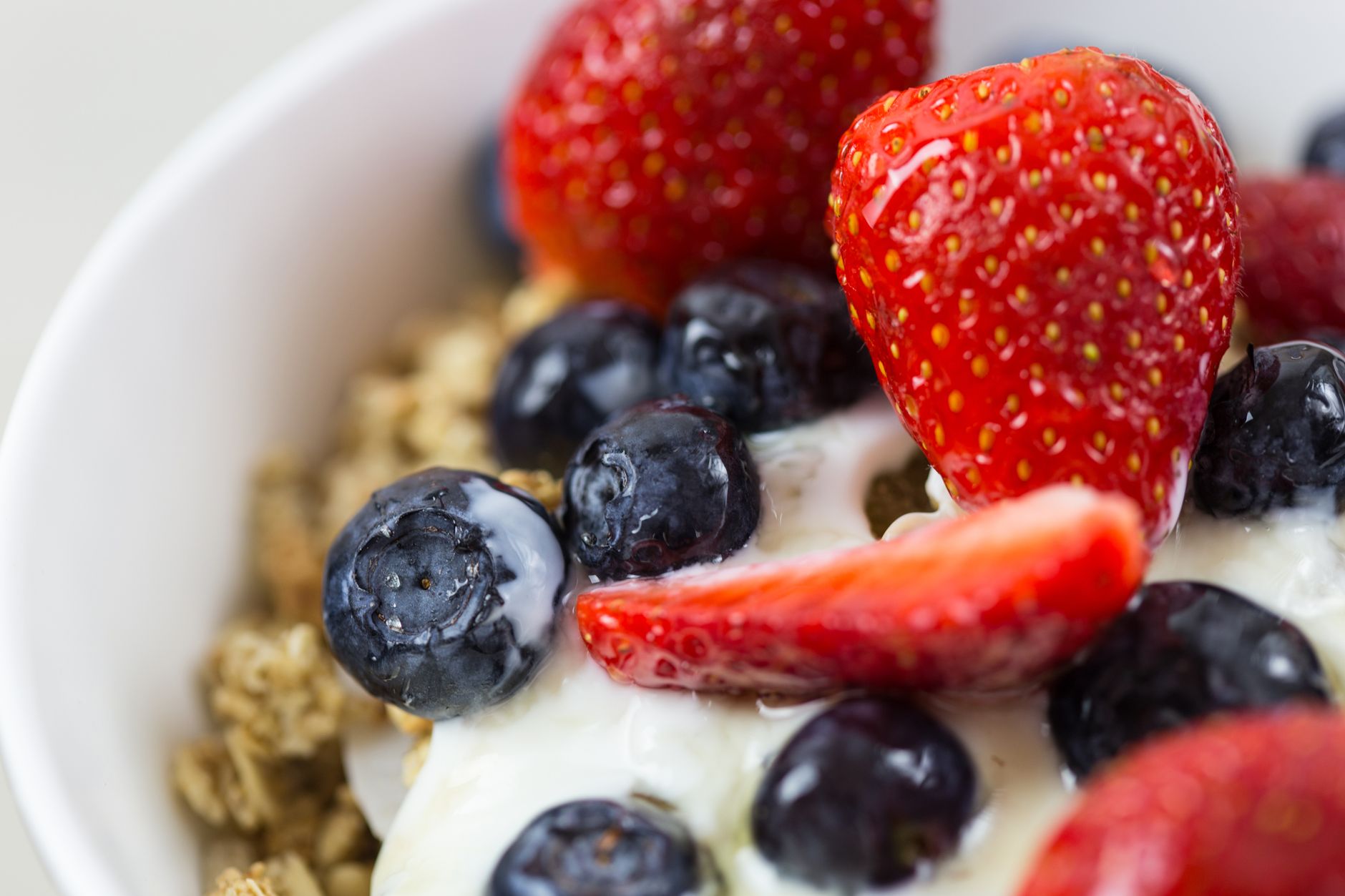
Yogurt and granola are popular staples in many households, often celebrated for their convenience and delicious flavor combinations. But many people wonder: is yogurt and granola healthy? This article explores their nutritional profiles, portion sizes, and how to make informed choices for a balanced diet.
Yogurt provides essential nutrients, including protein, calcium, and probiotics, while granola offers carbohydrates and healthy fats, though the nutritional value can vary widely. Understanding how to combine these two ingredients can lead to a tasty and health-conscious meal.
Is Yogurt and Granola Healthy?
Yes, yogurt and granola can be healthy when enjoyed in proper portions and made with nutritious ingredients. Yogurt is a good source of protein and probiotics, promoting gut health, while granola contains fiber and healthy fats. However, it’s essential to be mindful of added sugars and serving sizes to maintain a balanced diet.
Nutritional Breakdown of Yogurt
When evaluating whether yogurt is a healthy choice, consider the types available and their nutritional profiles. Here’s a look at the most common types:
- Plain Yogurt: Usually the healthiest option, as it contains no added sugars. A typical 1-cup serving (245 grams) provides about 150 calories, 8-11 grams of protein, and 10-15% of the daily recommended calcium intake.
- Greek Yogurt: Known for its creamy texture and higher protein content, Greek yogurt typically contains around 20 grams of protein per cup and is low in sugar when unsweetened. It is also rich in probiotics, which aid digestion.
- Flavored Yogurt: Often loaded with added sugars, flavored yogurts can contain as much as 30 grams of sugar in a single serving, which may outweigh their nutritional benefits.
- Non-Dairy Yogurt: Options made from almond, coconut, soy, or oat can be good alternatives for those who are lactose intolerant. Check labels for added sugars and protein content, as these can vary.
Nutritional Breakdown of Granola
Granola can be a nutritious addition to your diet, particularly if you opt for varieties low in sugar and high in whole grains. Here’s what to look for:
- Whole Grains: Many granolas are made with oats, which provide fiber and essential nutrients. Choose granolas that list whole grains as the first ingredient.
- Nuts and Seeds: Look for granolas with added nuts and seeds for healthy fats, protein, and crunch. These ingredients offer omega-3 fatty acids and additional fiber.
- Added Sugars: Many commercial granolas contain significant amounts of added sugars. A serving can have anywhere from 10 to 20 grams. Aim for brands with less than 5 grams of added sugar per serving.
- Serving Sizes: Granola can be calorie-dense, and monitoring serving sizes is crucial. A typical serving is often 1/4 to 1/2 cup, but some people may consume more, leading to excess calorie intake.
Combining Yogurt and Granola: A Balanced Meal
When paired together, yogurt and granola can make for a well-rounded and nutritious meal. Here are some tips on how to create a healthy yogurt and granola combo:
Portion Control
- Use a 1-cup serving of yogurt as a base.
- Add 1/4 cup of granola for crunch and texture.
- Incorporate fruits such as berries or bananas for added vitamins and fiber.
- Consider incorporating a drizzle of honey or maple syrup if additional sweetness is desired, but keep it to a minimum.
Choosing the Right Ingredients
Opt for plain or unsweetened yogurt for the health benefits without added sugars. Choose granola that is minimally processed with whole ingredients, such as oats, nuts, seeds, and dried fruit without artificial additives.
Supplementing with Fruits and Seeds
Enhance the nutritional content by adding fresh fruits such as berries, bananas, or chopped apples and topping with seeds or nuts. This will not only boost the flavor but also add extra fiber, vitamins, and healthy fats to your meal.
Potential Health Drawbacks
While yogurt and granola can be healthy choices, there are potential downsides to consider:
- High Sugar Content: Many flavored yogurts and granolas are high in added sugars. Check labels carefully to avoid products that can increase your overall sugar intake.
- Caloric Density: Granola is often calorie-dense; eating too much can lead to weight gain if not balanced with physical activity and overall caloric needs.
- Digestive Issues: Some individuals may experience digestive discomfort from dairy or high-fiber granola, especially if they are not used to consuming these foods regularly.
Health Benefits of Yogurt and Granola
Beneath the potential drawbacks, yogurt and granola offer numerous health benefits when consumed thoughtfully:
Probiotics and Digestive Health
Yogurt, particularly those containing live and active cultures, is known for its probiotic properties, supporting a healthy gut microbiome, which can improve digestion and boost immune function.
Protein and Satiety
The protein found in yogurt, especially Greek yogurt, is beneficial for satiety, helping you feel full longer. This can be helpful for those aiming to manage their weight or reduce snacking throughout the day.
Energy and Nutrient Density
Granola, when made with whole grains and nutrient-rich ingredients, provides sustained energy from carbohydrates and healthy fats. This can be particularly important for athletes or active individuals requiring substantial energy levels.
Making Yogurt and Granola a Healthy Choice
Here are some practical tips for making yogurt and granola a healthy addition to your diet:
- Read Labels: Check yogurt and granola labels for added sugars, artificial ingredients, and overall nutritional content.
- Incorporate Variety: Switch between different types of yogurt (dairy vs. non-dairy) and granola flavors to keep meals exciting.
- Experiment with Homemade Versions: Making your own granola allows you to control ingredients, sugar content, and portion sizes easily. Check out this protein granola recipe for a great homemade option.
- Pair with Balanced Meals: Use yogurt and granola as part of a balanced meal. Pair with fruits, nuts, or seeds to create a more comprehensive meal.
Common Mistakes to Avoid
Here are some frequent pitfalls people encounter when preparing yogurt and granola:
- Overloading with Granola: It’s easy to pour too much granola without realizing it. Stick to 1/4 cup for a healthy portion.
- Choosing Highly Processed Options: Avoid selecting granola or yogurt with high sugar content or many additives. Opt for the most natural brands available.
- Ignoring Serving Sizes: Always measure your portions to maintain control over caloric intake.
Yogurt and Granola Recipes
In addition to being enjoyed separately, yogurt and granola can be used in various recipes. Here are a couple of creative ideas:
Layered Yogurt Parfait
- In a glass or bowl, layer 1 cup of plain yogurt.
- Add a layer of fresh fruit (e.g., berries or sliced banana).
- Add a layer of 1/4 cup granola.
- Repeat the layers until the glass is filled, finishing with a topping of nuts or seeds.
- Drizzle with honey or maple syrup if desired.
Healthy Yogurt Bowl
- Start with 1 cup of Greek yogurt in a bowl.
- Top with 1/4 cup of granola.
- Add a handful of your favorite fruits.
- Sprinkle with chia seeds or flaxseeds for added nutrition.
- Enjoy as a nutritious breakfast or snack.
Storage and Shelf Life
To maintain the freshness of your yogurt and granola, consider the following storage tips:
- Yogurt: Store unopened yogurt in the refrigerator for up to 3 weeks past the sell-by date. Once opened, it should be consumed within 7 to 10 days.
- Granola: Keep granola in an airtight container at room temperature to preserve freshness. Homemade granola can last for 1 to 2 weeks, while store-bought typically has a longer shelf life for unopened packages.
Yogurt and granola can be a healthy and enjoyable breakfast or snack, especially when prepared thoughtfully. Pay attention to ingredient quality and portion sizes to maximize their benefits while minimizing downsides.
Explore more recipes, cooking tips, or food guides! Check out our protein granola recipe or learn how to make a delectable chia pudding with coconut milk.