
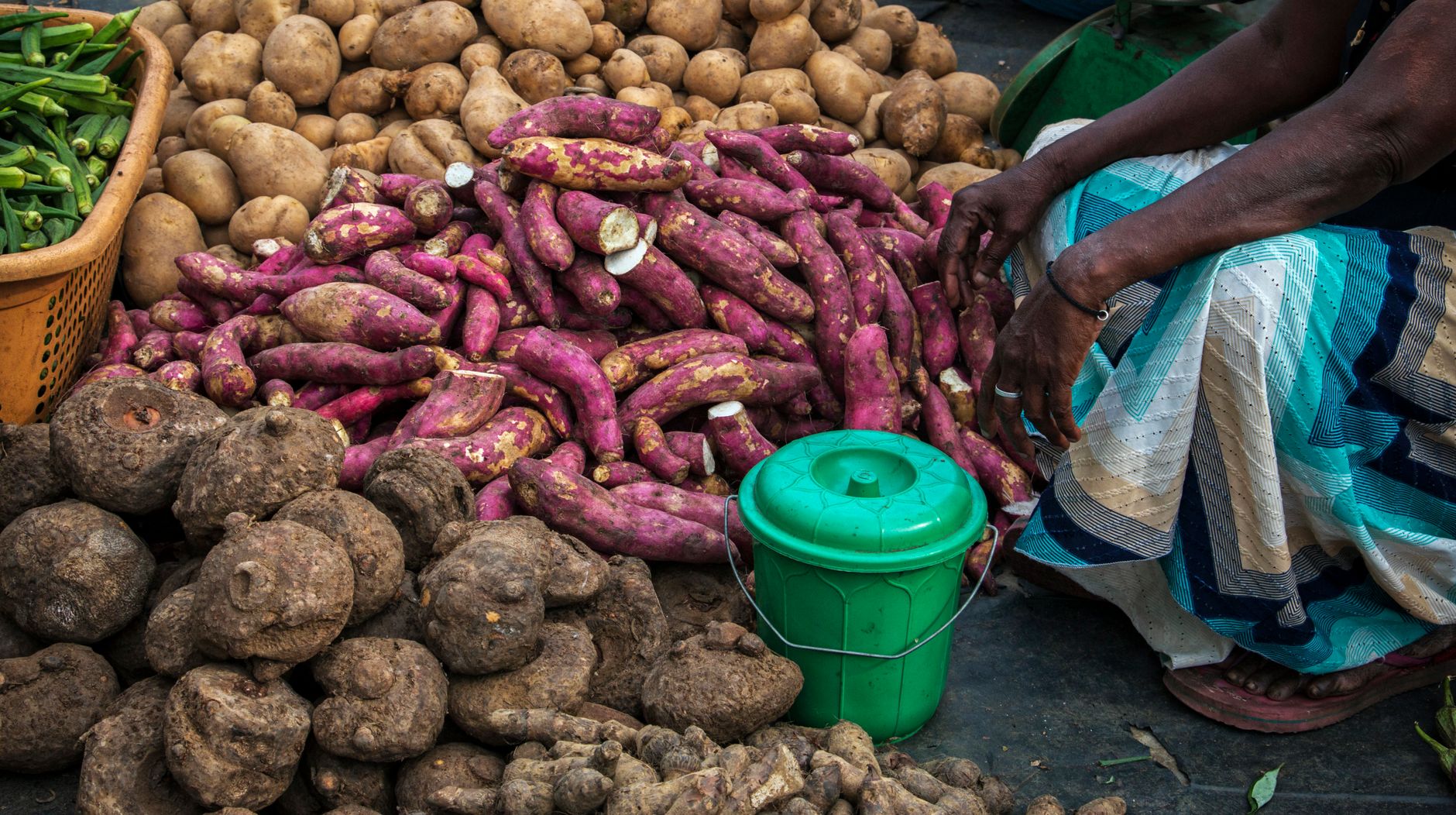
Many people often conflate yams and sweet potatoes, leading to confusion in recipes and grocery shopping. Although they share similar appearances and culinary uses, they are distinct vegetables with different flavors, textures, and origins. Understanding these differences can help you make informed choices when selecting them for your cooking needs.
This article delves into the key differences between yams and sweet potatoes, their culinary uses, and how to incorporate them into your meals effectively.
Is Yam and Sweet Potato the Same?
No, yams and sweet potatoes are not the same. Despite their similar appearance, they belong to different plant families, have differing tastes and textures, and originate from distinct parts of the world. Yams are starchy tubers from the Dioscorea family, while sweet potatoes belong to the Convolvulaceae family.
Understanding Yams
Yams are native to Africa, Asia, and the Caribbean. They can vary greatly in appearance, ranging from white to purple, and have a rough, scaly skin. Yams typically have a starchy, dry texture and are less sweet than sweet potatoes. They are most commonly used in savory dishes.
Types of Yams
Yams come in several varieties, including:
- White Yam: Known for its starchy, dry flesh.
- Yellow Yam: Has a slightly sweeter flavor and is often used in Caribbean cuisine.
- Dioscorea alata: Commonly referred to as water yam, it has a purple skin and white flesh.
Culinary Uses of Yams
Yams are often boiled, roasted, or fried and can serve as a side dish or main ingredient in stews and soups. In African cuisine, they are often pounded into a dough-like consistency called “fufu,” which accompanies many dishes.
Understanding Sweet Potatoes
Sweet potatoes, on the other hand, are primarily grown in the Americas and have a smoother skin that can be orange, purple, or yellow. They have a sweet, moist flesh when cooked and are known for their creamy texture. Sweet potatoes are sweeter than yams and are often used in both savory and sweet dishes.
Types of Sweet Potatoes
There are two main varieties of sweet potatoes:
- Firm Sweet Potatoes: These have golden skin and a white flesh that remains firm and dry when cooked, making them ideal for roasting or frying.
- Soft Sweet Potatoes: These have a darker skin and orange flesh that becomes creamy when cooked, making them more suitable for mashing or baking.
Culinary Uses of Sweet Potatoes
Sweet potatoes can be used in a variety of dishes, such as:
- Mashed Sweet Potatoes: A comforting side dish, often flavored with butter, cinnamon, or maple syrup.
- Sweet Potato Pie: A traditional dessert in many cultures, especially in the Southern United States.
- Roasted Sweet Potatoes: Diced and seasoned, they make a nutritious side dish or salad topping.
- Sweet Potato Fries: A healthier alternative to regular fries, they are popular in both home cooking and restaurants.
Key Differences Between Yams and Sweet Potatoes
To help clarify further, here are some key differences between yams and sweet potatoes:
Appearance
Yams tend to have a rough, scaly skin and a starchy, dry texture, while sweet potatoes have smooth skin that can vary in color and a moist, creamy texture.
Flavor
Yams are typically less sweet than sweet potatoes, which are known for their distinct sweetness and varied flavors depending on the variety.
Nutritional Value
Sweet potatoes are higher in vitamin A, beta-carotene, and fiber compared to yams. Yams are more starchy and have a higher carbohydrate content.
Origin
Yams are native to Africa and Asia, while sweet potatoes originated in the Americas. Yams are often found in African, Caribbean, and Asian cuisines, whereas sweet potatoes are prevalent in American, Australian, and Southeast Asian dishes.
Cooking Methods
While both can be prepared in similar ways, sweet potatoes lend themselves well to baking and mashing, while yams are often best suited for savory applications and dishes that require drier textures.
How to Choose Between Yams and Sweet Potatoes
When deciding which vegetable to use for your recipes, consider the following factors:
Flavor Profile
If you want a sweeter, creamier taste, opt for sweet potatoes. If you’re preparing a dish that requires a more starchy and savory flavor, choose yams.
Texture Requirements
Think about the desired texture of your dish. Sweet potatoes will provide a smooth and creamy texture, while yams will bring a drier and more fibrous consistency.
Recipe Specifics
Consider the specific recipe you’re making. Many dishes traditionally specify either yam or sweet potato, so it’s essential to follow these guidelines for the best results.
Avoiding Confusion at the Grocery Store
To avoid confusion while shopping:
- Look for specific labeling; many supermarkets incorrectly market sweet potatoes as yams.
- Ask store staff for help if you’re uncertain about which variety of tuber you’re purchasing.
- Familiarize yourself with the visual distinctions between the two for more effortless identification.
Substitutions and Variations
If you find yourself without yams or sweet potatoes for your dish, here are some suitable substitutions:
Substitutions for Yams
- Potatoes: For recipes calling for yams, you can use starchy potatoes for a similar texture.
- Butternut Squash: It has a sweet flavor profile that can mimic some yam dishes.
Substitutions for Sweet Potatoes
- Pumpkin: With its similar sweetness and creamy texture, pumpkin can replace sweet potatoes in baked goods.
- Carrots: They can provide a sweet flavor and vibrant color when cooked or mashed.
Cooking Techniques for Yams and Sweet Potatoes
Both yams and sweet potatoes can be prepared using various cooking techniques. Below are some methods along with tips for each.
Boiling
Boiling is a straightforward method for cooking both yams and sweet potatoes.
- Peel and cut yams or sweet potatoes into uniform cubes for even cooking.
- Place them in a pot of salted water and bring to a boil.
- Cook until tender (about 15-20 minutes), then drain and mash, if desired.
Roasting
Roasting brings out the natural sweetness in both vegetables, making it an ideal preparation method.
- Preheat your oven to 400°F (200°C).
- Peel and cut yams or sweet potatoes into wedges or cubes.
- Toss them with olive oil, salt, and any desired spices.
- Spread evenly on a baking sheet and roast for 25-35 minutes or until golden brown and tender, stirring halfway through.
Baking
Baking is a favorite method for sweet potatoes, especially in desserts.
- Preheat your oven to 375°F (190°C).
- Pierce the skin of sweet potatoes with a fork.
- Place on a baking tray and bake for about 45-60 minutes, or until fork-tender.
- Let cool slightly, then scoop out the flesh for use in recipes like pies or mash.
Mashing
Mashing is ideal when you want a creamy side dish quickly.
- Boil or steam yams or sweet potatoes until tender.
- Drain excess water and mash with butter and milk until creamy.
Frying
Both yams and sweet potatoes can be fried to create crispy sides or snacks.
- Slice into thin wedges or matchsticks.
- Heat oil in a deep pan or fryer to 350°F (175°C).
- Fry until golden brown, about 3-5 minutes, then drain on paper towels and season immediately.
Common Mistakes When Cooking Yams and Sweet Potatoes
Cooking yams and sweet potatoes can seem straightforward, but here are common pitfalls to avoid:
- Not peeling properly: Make sure to peel yams thoroughly to remove the rough skin. Sweet potatoes can be left unpeeled for added fiber.
- Overcooking: Keep an eye on cooking times; overcooking can lead to mushy textures.
- Using incorrect substitutions: Be mindful of texture and flavor differences when substituting, as it can alter the final dish significantly.
Storage Tips for Yams and Sweet Potatoes
To maximize the shelf life and flavor of yams and sweet potatoes, follow these storage guidelines:
- Store in a cool, dry, and dark place; avoid refrigeration as cold temperatures can alter their flavor and texture.
- Keep them in breathable mesh bags or containers to allow for air circulation and prevent moisture buildup.
- Use within a few weeks for best quality, as they can start sprouting if kept too long.
Final Thoughts
Understanding the differences between yams and sweet potatoes is crucial for culinary success. Knowing their unique flavors and textures will enable you to choose the right ingredient for your dish. Whether you’re looking for the creaminess of sweet potatoes or the drier texture of yams, you can confidently adapt your recipes to suit your needs.
Ready to create some delicious dishes? Check out our recipes for white sweet potatoes or discover how to cook chicken with rice.