
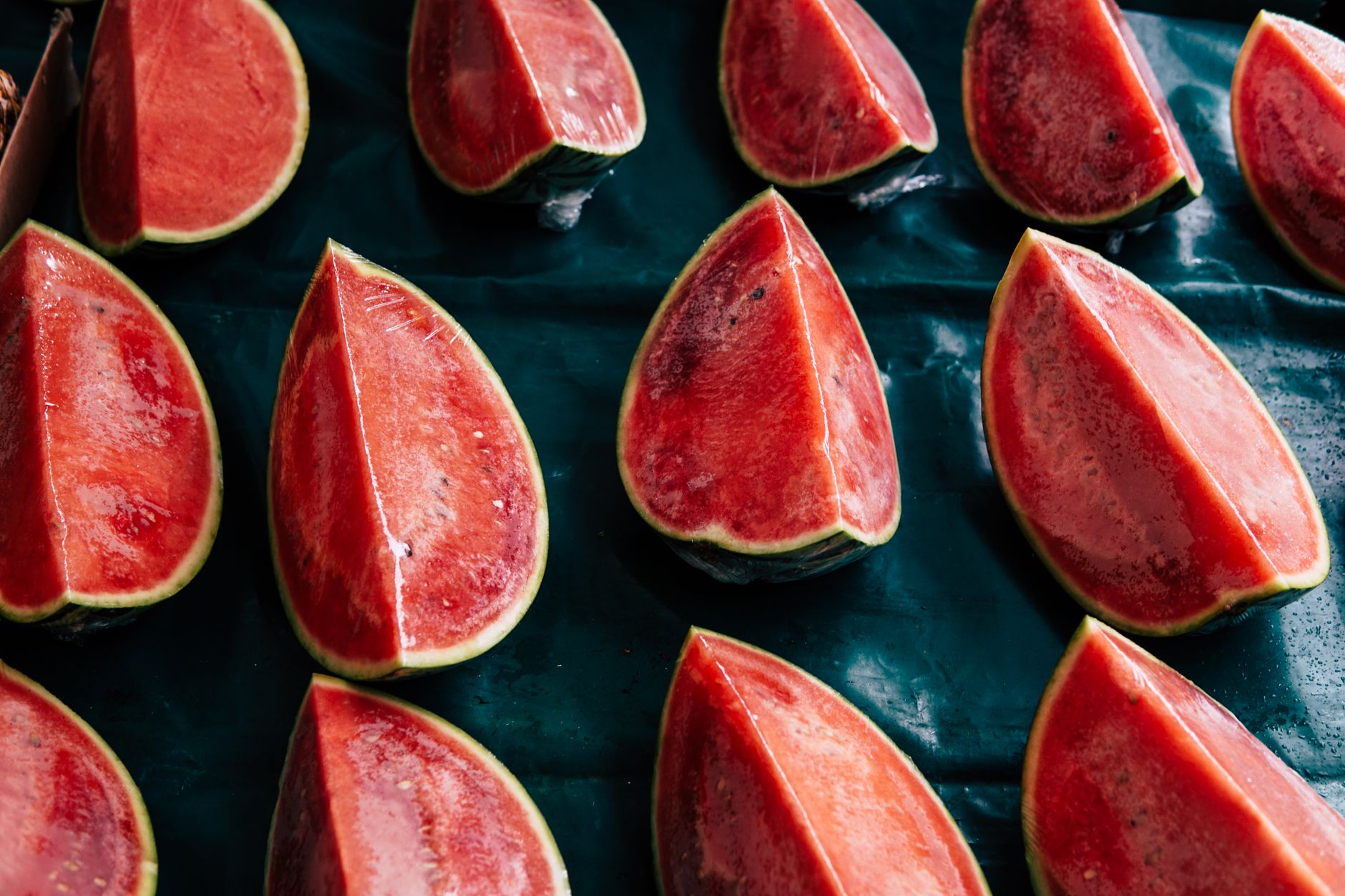
Watermelon is a beloved summer fruit, celebrated for its refreshing taste and vibrant color. However, for those who have Irritable Bowel Syndrome (IBS), it’s essential to consider how specific foods, including watermelon, can impact digestive health. Understanding the benefits and potential drawbacks of watermelon can assist individuals with IBS in making informed dietary choices.
This article will explore whether watermelon is a suitable choice for those managing IBS, discussing its nutritional content, potential effects on digestion, and tips for incorporating it into a diet tailored for IBS symptom management.
Is Watermelon Good for IBS?
Watermelon can be a good option for some individuals with IBS, but it depends on personal tolerance and the presence of certain dietary components. While watermelon is low in calories and hydrating, it contains fructose, which can trigger symptoms in those who are sensitive to it. Identifying individual reactions to watermelon is crucial in determining its suitability as part of an IBS-friendly diet.
Understanding Watermelon’s Nutritional Profile
To assess whether watermelon is good for IBS, it helps to first understand its nutritional components:
- Water Content: Watermelon is composed of about 92% water, making it an excellent choice for hydration.
- Calories: A 100-gram serving has roughly 30 calories, making it low in energy density.
- Carbohydrates: Watermelon contains about 8 grams of carbohydrates per 100 grams. This includes about 6 grams of sugar, primarily fructose.
- Fiber: With about 0.4 grams of fiber per 100 grams, watermelon is not a significant source of dietary fiber, which can ease digestive transit.
- Vitamins & Minerals: It is a good source of vitamin C and contains small amounts of vitamin A and potassium.
Watermelon and IBS: What to Consider
When managing IBS, it’s crucial to evaluate how watermelon and its sugar content can affect symptoms, particularly in relation to FODMAPs (fermentable oligosaccharides, disaccharides, monosaccharides, and polyols). Here are several factors to consider:
FODMAPs and Fructose
Watermelon is high in fructose, a form of sugar that can be problematic for individuals with IBS who have difficulty absorbing FODMAPs. Foods high in fructose can lead to lactose fermentation in the gut, resulting in gas, bloating, and abdominal pain.
It’s recommended for those following a low-FODMAP diet to limit their intake of watermelon, particularly when experiencing symptom flare-ups. However, tolerances vary among individuals; some may enjoy small amounts without negative effects.
Portion Size Matters
If you decide to include watermelon in your diet, be mindful of the portion size. A small serving, approximately 1/2 cup (about 75 grams), can be suitable for many without causing symptoms. If your tolerance is uncertain, start with a small amount and gradually increase it while monitoring your body’s response.
Practical Tips for Incorporating Watermelon into an IBS Diet
Incorporating watermelon into your meals, even with IBS, can be done thoughtfully to minimize discomfort. Here are some practical tips:
Pairing with Low-FODMAP Foods
Combining watermelon with low-FODMAP foods can help balance its fructose levels. Consider serving it with:
- Grilled chicken or fish for protein
- Low-FODMAP salad ingredients, such as spinach, cucumbers, and bell peppers
- Mint or basil to enhance flavor without adding irritants
Making Smoothies or Juices
Blending watermelon with other tolerated fruits such as bananas or strawberries can create a refreshing smoothie that might be easier on the digestive system. Opt for low-FODMAP bases like lactose-free yogurt or almond milk to keep the recipe IBS-friendly.
Using Watermelon in Salads
Watermelon can be a delightful addition to salads. Prepare a simple watermelon salad by mixing diced watermelon with cucumber, feta cheese (in moderation, and if tolerated), and fresh herbs like mint or parsley.
Consideration for Stews and Grilled Dishes
Grilling watermelon can enhance its natural sweetness and add a caramelized touch. Serve it as a side dish paired with grilled meats for a flavorful experience. Just be cautious not to overindulge.
Common Mistakes When Eating Watermelon with IBS
While watermelon can be enjoyed, there are some common pitfalls to avoid:
- Overconsumption: Eating large portions can lead to digestive distress. Stick to moderate serving sizes.
- Ignoring Individual Symptoms: If watermelon exacerbates your IBS symptoms, it may be best to avoid or limit it.
- Combining with Known Triggers: Avoid pairing watermelon with other high-FODMAP foods that could increase the chances of discomfort.
Potential Health Benefits of Watermelon
Despite some concerns regarding fructose, watermelon does offer several potential health benefits that can be beneficial overall:
- Hydration: Watermelon is an excellent way to maintain hydration, especially in warm weather.
- Antioxidants: Rich in lycopene and vitamin C, it has antioxidant properties that may help protect against oxidative stress.
- Weight Management: Low in calories and high in water content, it may help in weight control, making it a good snack option.
What to Do If Watermelon Triggers IBS Symptoms
If you find that watermelon is problematic for your IBS, consider the following steps:
- Keep a Food Diary: Track your food intake and symptoms to identify triggers, including watermelon and other high-fructose foods.
- Consult with a Dietitian: A registered dietitian can help you tailor your diet to manage IBS symptoms better while ensuring you get adequate nutrition.
- Experiment with Alternatives: Try other hydrating fruits lower in fructose, such as strawberries or cantaloupe, which may be better tolerated.
Alternative Snack Options for IBS
If watermelon isn’t suitable for your IBS, consider these low-FODMAP snack alternatives:
- Cucumber slices with hummus
- Carrot sticks with nut butter
- Rice cakes with avocado
- Plain popcorn seasoned with herbs
Storage and Usage Tips for Watermelon
Storage and handling are essential to maintain watermelon freshness:
- Choose ripe watermelon: Look for a symmetrical shape, a dull skin for ripeness, and a yellow spot indicating ground contact.
- Storage: Store whole watermelon at room temperature. Cut watermelon should be stored in the refrigerator in an airtight container and consumed within three to five days.
- Freezing: If you have excess watermelon, consider freezing it for later use in smoothies or other dishes.
Conclusion
Watermelon can be included in the diet of individuals with IBS, though caution is advised due to its fructose content. Personal tolerance varies, making it essential to monitor symptoms when incorporating watermelon into meals. With proper portion control and pairing with low-FODMAP foods, watermelon can contribute to a refreshing and healthy summer diet.
For those looking for further guidance on managing IBS symptoms, consider exploring related recipes and cooking tips. You can discover how to freeze watermelon effectively at this link or try out a unique chia pudding recipe with coconut milk by visiting here.