
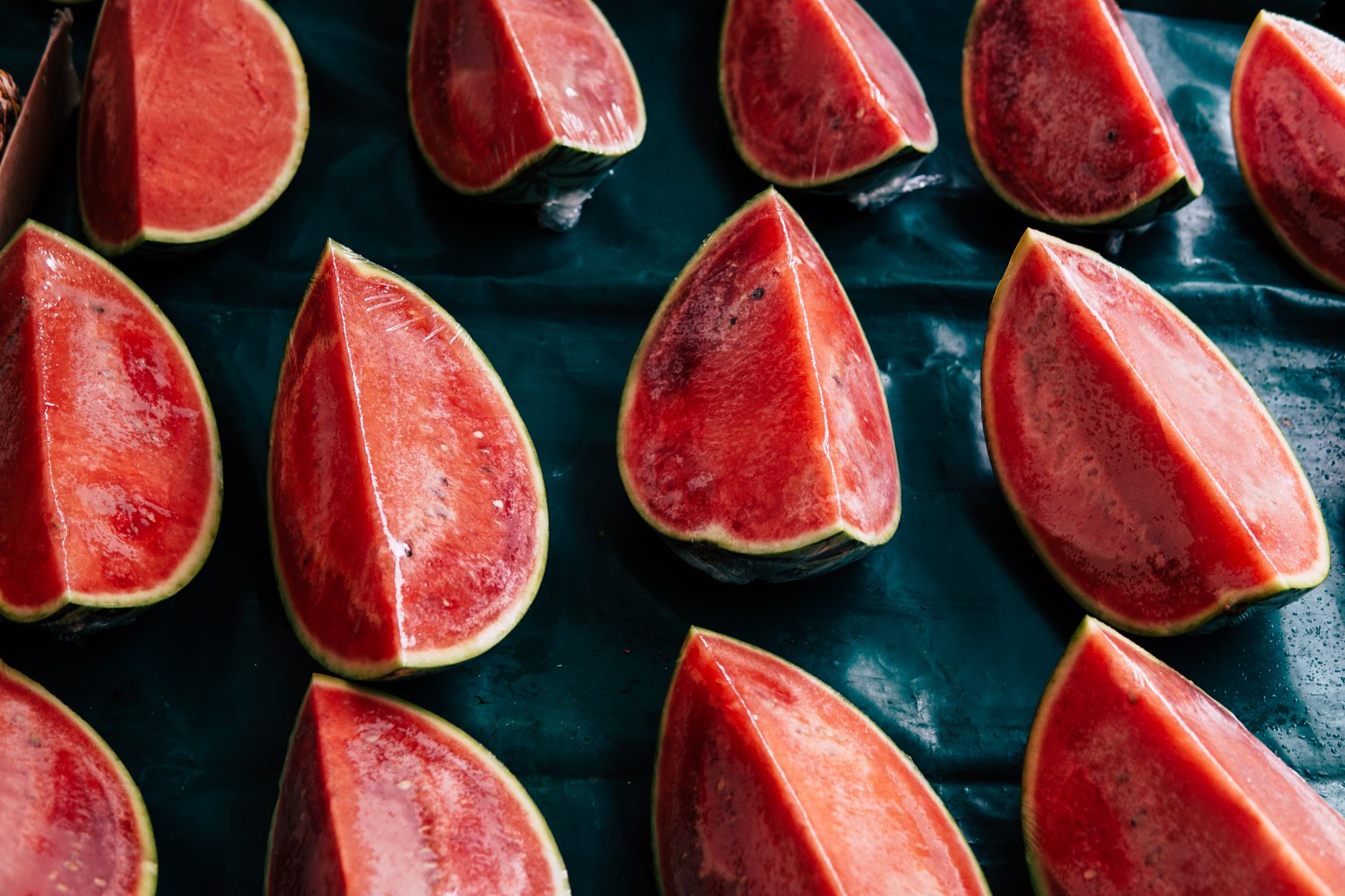
Watermelon, with its juicy sweetness and refreshing flavor, is a summer favorite enjoyed worldwide. But have you ever wondered if it qualifies as a tropical fruit? In this article, we will delve into the classification of watermelon and explore its culinary uses, nutritional benefits, and some fascinating facts about this delightful fruit.
From its growth requirements to its delicious applications in the kitchen, we’ll break down everything you need to know about watermelon. Understanding its classification can also help you better integrate it into meals and snack options throughout your day.
Is Watermelon a Tropical Fruit?
Watermelon is generally not classified as a tropical fruit. It belongs to the Cucurbitaceae family, which also includes cucumbers and pumpkins. Watermelons thrive in warm climates and are considered warm-season crops, which makes them often found in subtropical and temperate regions as well.
Tropical fruits generally require equatorial climates with consistent warm temperatures and high humidity year-round. Watermelon does well in these conditions but can also grow in diverse climates, allowing for a wider distribution than purely tropical fruits.
Watermelon Varieties
Understanding the type of watermelon you’re working with is important for optimal culinary results. There are several varieties, each with distinct characteristics:
- Seedless Watermelon: A popular choice with smooth texture and sweet flavor, often enjoyed fresh or in salads.
- Icebox Watermelon: Smaller in size, perfect for chilling in a refrigerator for immediate consumption.
- Picnic Watermelon: Larger and typically heavier, best for gatherings and parties where the fruit can be served in slices.
- Yellow Watermelon: Offers a unique sweet flavor, often described as honey-like, and features yellow flesh.
Culinary Uses of Watermelon
Watermelon is incredibly versatile and can be used in various dishes beyond just being eaten raw. Here are some ways to incorporate watermelon into your meals:
Salads
Watermelon makes a delightful addition to salads, providing a juicy sweetness that contrasts beautifully with savory flavors. Try combining cubed watermelon with feta cheese, fresh mint, and a drizzle of balsamic vinegar for a refreshing summer salad.
Drinks and Smoothies
Watermelon juice can be a refreshing summertime drink. Blend watermelon with lime juice for a sparkling watermelon lemonade or mix it into smoothies with yogurt and spinach for a nutrient-packed option.
Grilled Watermelon
Grilling watermelon caramelizes its natural sugars, enhancing its sweetness and adding a smoky flavor. Simply slice the watermelon into wedges, grill for a couple of minutes on each side, and serve as a side dish or a unique dessert with ice cream.
Desserts
Watermelon can also be used in desserts like sorbets, ice pops, or even cakes. Combine watermelon juice with sugar and freeze to create a simple sorbet that’s both refreshing and great for summer parties.
Nutritional Benefits of Watermelon
Watermelon is not only delicious but also packed with several health benefits. Here are some of the key nutritional highlights:
- Hydration: Composed of about 92% water, it is excellent for staying hydrated during hot weather.
- Low in Calories: A typical watermelon contains about 30 calories per 100 grams, making it a guilt-free snack.
- Vitamins and Minerals: Rich in vitamins A and C, watermelon supports skin health and immunity.
- Antioxidants: Contains lycopene, an antioxidant linked to heart health and reduced risk of certain cancers.
Choosing the Perfect Watermelon
When selecting a watermelon, there are a few tips to ensure you pick the best one:
- Look for uniform shape: A symmetrical watermelon is likely to be ripe.
- Check the color: The underside should have a creamy yellow spot, indicating ripeness.
- Give it a tap: A ripe watermelon should make a hollow sound when tapped.
- Feel the weight: It should feel heavy for its size, suggesting juiciness.
Cleaning and Storing Watermelon
To store watermelon properly and extend its freshness, follow these guidelines:
- Whole Watermelon: Keep it in a cool, dry place. A whole watermelon can last up to a week when stored properly.
- Cut Watermelon: Store cut pieces in an airtight container in the refrigerator. Use within 3 to 5 days for best quality.
- Freezing Watermelon: For longer storage, watermelon can be frozen. Cut it into cubes, flash freeze on a baking sheet, then place in a freezer-safe bag. It’s best used in smoothies after freezing. For more details, check our guide on freezing watermelon.
Common Mistakes When Preparing Watermelon
Here are some common pitfalls to avoid when preparing watermelon:
- Cutting Style: Slicing watermelon too thin can lead to a mess. Opt for thicker slices or cubes to keep the juiciness intact.
- Neglecting to Chill: Watermelon is best enjoyed cold, especially during summer. Keep your watermelon chilled before serving.
- Overlooking the Seeds: While seedless varieties are popular, some may still have seeds. Remove them for a more enjoyable eating experience.
Watermelon in Regional Cuisines
Watermelon is celebrated in many cultures for its refreshing qualities. Here are a few regional takes:
Mexican Cuisine
In Mexico, watermelon is often enjoyed with a sprinkle of lime juice, chili powder, and salt for a tasty street food treat. This combination highlights the natural sweetness while adding a spicy kick.
Middle Eastern Cuisine
In the Middle East, watermelon is commonly paired with feta cheese and herbs, offering a unique balance of sweet and salty flavors in salads and appetizers.
Southern U.S. Cuisine
The Southern United States has a rich tradition of using watermelon in dishes like pickled watermelon rinds or in refreshing summer salads with fresh greens.
Incorporating Watermelon in Meal Planning
With its versatility, watermelon can be easily integrated into meal planning across different meals of the day:
Breakfast
Start your day with a watermelon smoothie bowl topped with granola and coconut flakes.
Lunch
For lunch, add watermelon chunks to your quinoa or green salads for a refreshing taste.
Dinner
Try seared chicken with a watermelon salsa made from diced watermelon, onion, jalapeño, and cilantro for a unique flavor profile.
Dessert
Watermelon can also be a light dessert option on its own, or blended into a watermelon sorbet for summer gatherings.
Substitutions and Alternatives for Watermelon
If you find yourself out of watermelon, here are a few substitute ideas that can mimic its texture or flavor:
- Cantaloupe: Sweet and juicy, cantaloupe can be used in salads or smoothies.
- Honeydew Melon: Offers a similar sweetness and texture, making it a good alternative.
- Strawberries: While different in flavor, they can offer a fruity sweetness and juiciness when combined in fruit salads.
Conclusion
While watermelon is not strictly a tropical fruit, it thrives in warm climates and can be a delightful addition to any meal. From refreshing summer salads to tasty desserts, its versatility allows you to enjoy it in multiple ways throughout the year. Whether you enjoy it fresh, grilled, or blended into drinks, watermelon has something for everyone.
Explore our related recipes and tips for ways to incorporate watermelon into your summer meals, check out our guide on freezing watermelon, and learn more about maximizing its culinary potential.