
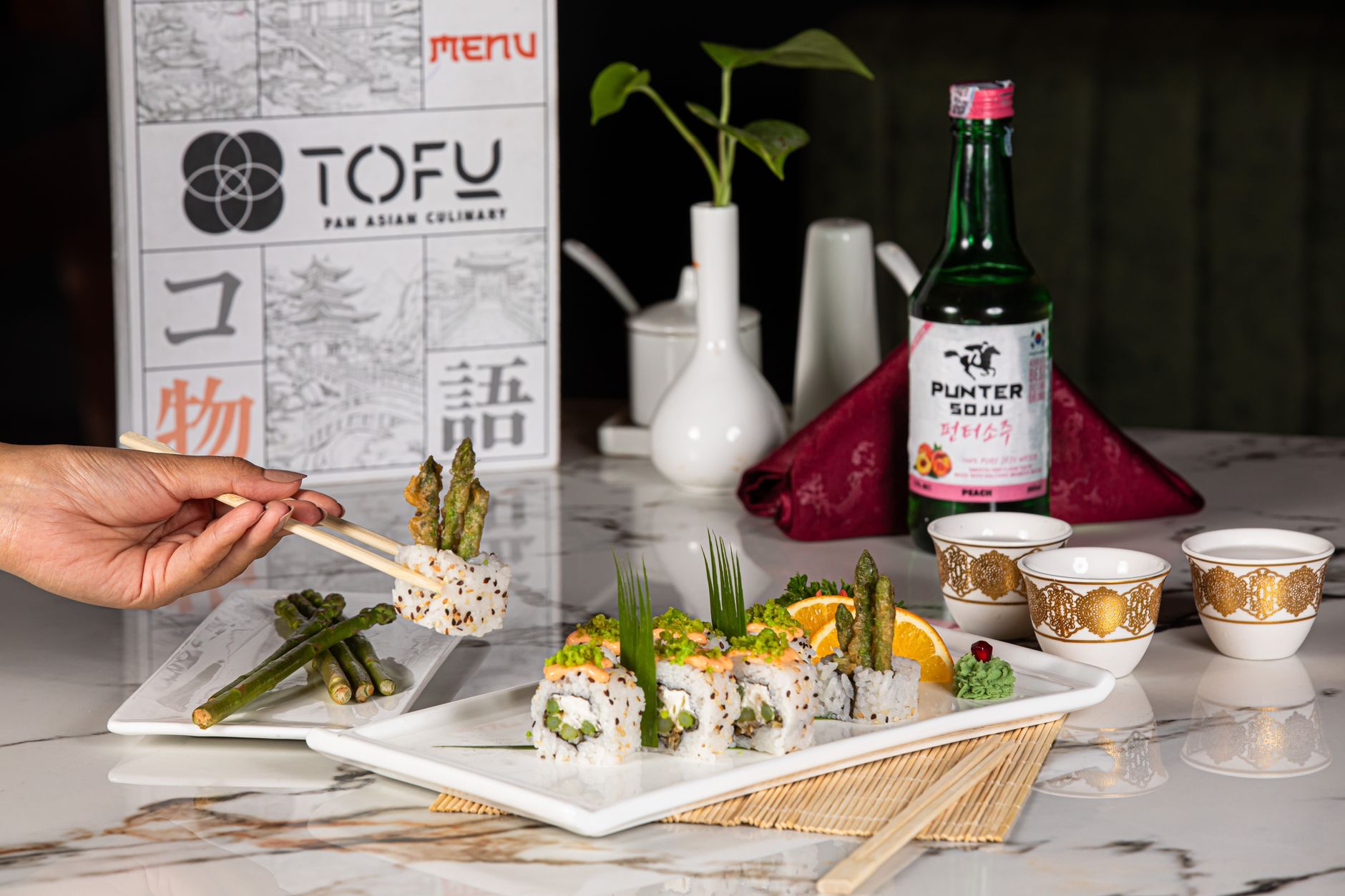
Vegetarian sushi has become increasingly popular as more people embrace plant-based diets. This delicious alternative to traditional sushi offers a variety of flavors and textures while providing a nutrient-rich meal option. But how healthy is vegetarian sushi really? In this article, we’ll explore its nutritional benefits, discuss serving sizes, and offer insights on ingredients that make vegetarian sushi both healthful and satisfying.
Vegetarian sushi typically includes ingredients like rice, seaweed, and a variety of vegetables. Some variations even incorporate fruits, tofu, and plant-based proteins. Understanding the nutritional profile of these ingredients can help you decide whether vegetarian sushi fits into your healthy eating plan.
Is Vegetarian Sushi Healthy?
Yes, vegetarian sushi can be a healthy food choice when prepared with wholesome ingredients and consumed in appropriate portions. It offers a balance of carbohydrates, fiber, vitamins, and minerals while being generally lower in calories and fat compared to sushi made with fish or meat.
However, it’s important to be mindful of the ingredients used, as some additions, like cream cheese or heavily fried vegetables, can diminish the health benefits. Let’s dig deeper into the nutritional aspects and portion sizes.
Nutritional Benefits of Vegetarian Sushi
Vegetarian sushi can provide a range of nutritional benefits depending on the ingredients used. Below are the key components often found in vegetarian sushi and their health benefits:
- Rice: Sushi rice, typically white or brown, is the base of sushi. Brown rice is more nutritious than white rice because it retains its bran and germ, providing fiber, vitamins, and minerals.
- Seaweed: Nori, the seaweed used in sushi, is rich in iodine, vitamins A, C, E, and K, as well as antioxidants. It can support thyroid health and contribute to overall well-being.
- Vegetables: Common vegetables like cucumbers, carrots, and avocado add essential vitamins, minerals, and fiber. Each provides its own unique health benefits, such as boosting immune function or promoting heart health.
- Tofu: For added protein, tofu is a great choice. It is also a source of calcium and can help maintain bone health.
- Fruits: Fruits like mango and avocado not only add sweetness and creaminess but also provide healthy fats and a range of vitamins. Avocados, for example, are high in heart-healthy monounsaturated fats.
Serving Sizes and Portions
When considering how healthy vegetarian sushi is, serving sizes play a crucial role. Eating larger portions can lead to consuming extra calories, negating some of the health benefits. Here are some practical guidelines on serving sizes:
- A typical serving size of sushi rolls can range from 6 to 8 pieces, depending on the size and ingredients. For a well-balanced meal, consider pairing sushi with miso soup or a side salad.
- In terms of rice, aim for about 1 cup of cooked sushi rice per serving. If using brown rice, adjust based on personal preference and digestive comfort.
- If adding protein sources like tofu, about 1 ounce per roll is a reasonable portion.
Common Vegetarian Sushi Ingredients
Understanding the ingredients commonly used in vegetarian sushi can help you make informed decisions about its healthfulness. Here’s a breakdown of popular items:
Rice
Rice is a primary ingredient in sushi. While both white and brown rice can be used, brown rice is often preferred for its higher nutritional value. It contains more fiber, making it more filling and better for digestive health.
Vegetables
Vegetables add flavor, color, and nutrients. Common vegetables include:
- Cucumber: Hydrating and low in calories, cucumbers add crunch.
- Carrots: Packed with beta-carotene, carrots provide vitamin A, which is good for eye health.
- Avocado: Rich in healthy fats, avocados contribute creaminess and are excellent for heart health.
- bell peppers: Colorful and crunchy, bell peppers are a great source of vitamins C and A.
Tofu and Other Proteins
Adding tofu or tempeh can enhance the protein content of your sushi. Tofu, particularly when marinated or grilled, adds flavor and a meaty texture. For more flavor, consider using flavored tempeh or adding edamame, which is also a protein-rich option.
Fruits
Fruits can provide natural sweetness and additional health benefits. Mango, for instance, is rich in vitamins C and A, while also being juicy and flavorful. Fruits can lighten up traditional flavors and add a fresh twist to your sushi rolls.
Seaweed
As discussed earlier, nori is a superior choice for wrapping sushi. It’s low in calories and high in vital nutrients, making it a great addition to any sushi.
Poultry, Dairy, and Relevant Additions
In some vegetarian sushi options, you may find dairy or poultry. Ingredients like cream cheese or mayonnaise can enhance flavor and texture but may add unhealthy fats and excess calories. If health is a priority, consider limiting these additions or opting for healthier alternatives.
Substitutions and Variations
If you’re looking to tailor vegetarian sushi to your dietary preferences, there are numerous substitutions and variations to consider:
- Rice Alternatives: Quinoa or cauliflower rice can replace traditional sushi rice for a lower-carb option.
- Vegetable Options: Experiment with different vegetables like asparagus, zucchini, or even sprouts for crunch and freshness.
- Protein Choices: For a nut-based protein swap, consider using chickpeas or black beans for added fiber.
- Flavor Enhancers: Instead of cream cheese, try avocado or sunflower seed butter for a creamy texture without added cholesterol.
Common Mistakes When Making Vegetarian Sushi
While making vegetarian sushi can be fun, there are a few common missteps to avoid:
- Using Too Much Rice: An overly large rice quantity can lead to excess calories. Aim for moderation.
- Not Moistening Your Hands: Sushi rice is sticky; wetting your hands can help form rolls without creating a mess.
- Overfilling Rolls: Adding too many ingredients can make rolling difficult and lead to breakage.
Troubleshooting Tips
If you encounter problems while making vegetarian sushi, consider the following tips:
- If the rice is too sticky, ensure you rinse it thoroughly before cooking to remove excess starch.
- If your rolls fall apart, check that you’re not overstuffing and that the rice is compact enough.
- For dried-out nori, store it in a sealed container and keep it away from humidity.
How to Serve Vegetarian Sushi
When it comes to serving, presentation matters. Here are some tips on how to serve vegetarian sushi:
- Arrange rolls neatly on a platter for a visually appealing display.
- Accompany sushi with dipping sauces like soy sauce, wasabi, or pickled ginger for extra flavor.
- Serve with a side of miso soup, salad, or edamame for a complete meal.
Storage and Reheating Vegetarian Sushi
Storing vegetarian sushi can be tricky, as it is best enjoyed fresh. However, if you need to store leftover sushi, follow these guidelines:
- Wrap individual pieces in plastic wrap or store them in an airtight container.
- Keep sushi in the refrigerator for no longer than 24 hours to maintain freshness.
- Avoid reheating sushi, as the texture can change and ingredients may not hold up well. Consume it cold instead.
Conclusion
Vegetarian sushi can be nutritious and satisfying when made with wholesome ingredients and consumed in reasonable portions. By selecting nutrient-dense components and avoiding excessive unhealthy additions, you can enjoy the flavors and health benefits of sushi while following a vegetarian diet. Consider making your own vegetarian sushi at home, allowing you to personalize each roll and control the ingredients.
If you’re interested in exploring more healthy recipes, check out our guides on chia pudding with coconut milk and discovering whether edamame is healthy.