
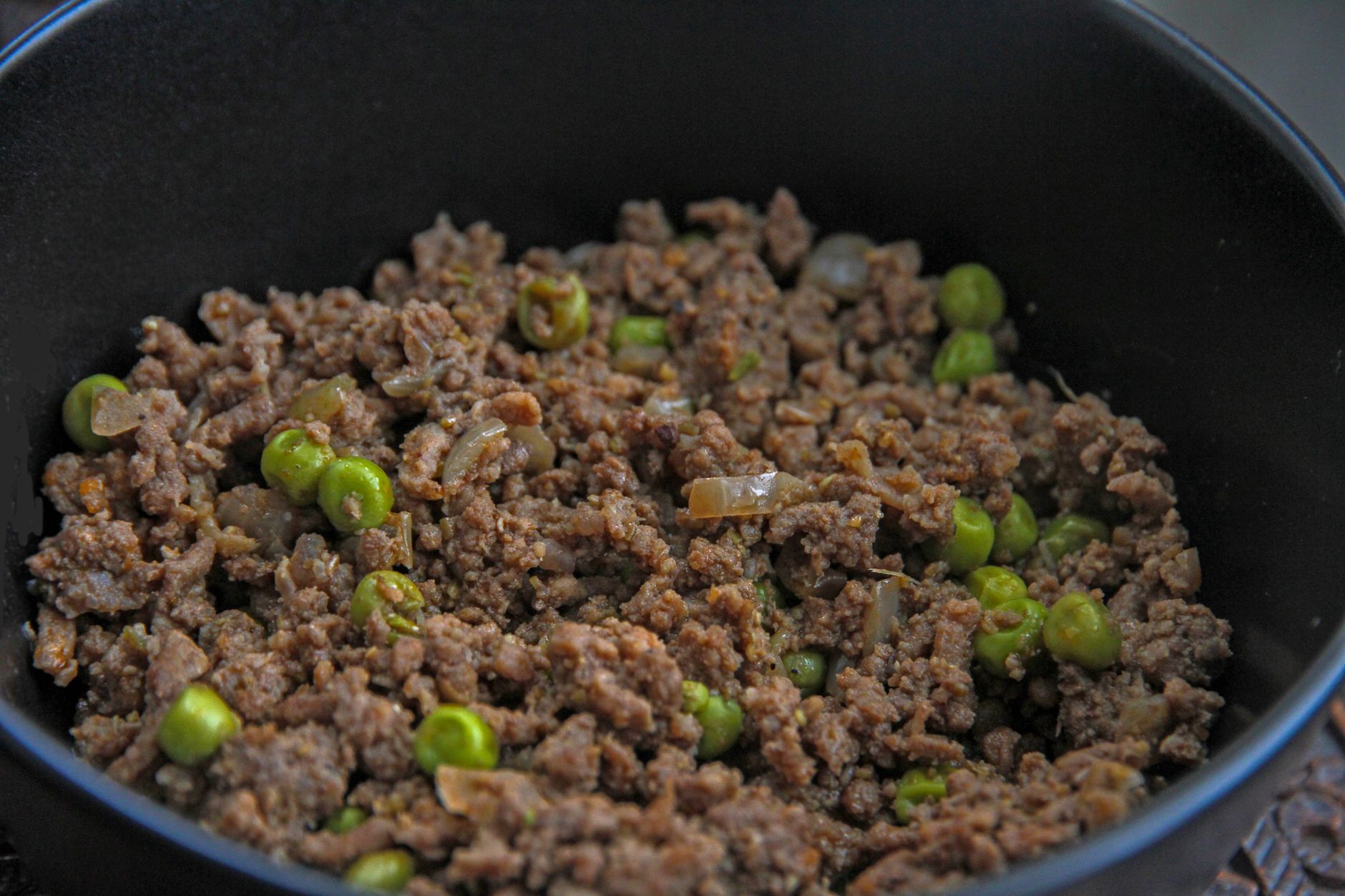
Textured vegetable protein (TVP) has become increasingly popular for those looking to incorporate plant-based foods into their diets. Made from defatted soy flour, TVP is a highly versatile ingredient that can be used in various dishes, from chili to stir-fries. But is TVP healthy? This article will explore its nutritional profile, portion sizes, benefits, and considerations to help you make informed choices about adding TVP to your meals.
TVP is known for its protein content, making it a favored option among vegetarians, vegans, and those looking to reduce meat consumption. However, understanding its nutritional value and how it fits into a balanced diet is essential.
Is TVP Healthy?
TVP is a nutritious addition to many diets, offering high protein content while being low in fat and calories. It is also an excellent source of fiber, essential amino acids, and various minerals. However, it is important to consider its processing and any potential allergy concerns.
Nutritional Profile of TVP
Understanding the nutritional composition of TVP is crucial for evaluating its health benefits. Here’s a breakdown of its key components per 100 grams of dried TVP:
- Calories: 337
- Protein: 50 grams
- Fat: 1 gram
- Carbohydrates: 30 grams
- Fiber: 12 grams
- Iron: 15% of the Daily Value (DV)
- Calcium: 3% of the DV
- Magnesium: 12% of the DV
- Potassium: 17% of the DV
TVP is particularly valued for its protein content, which makes it an ideal choice for those looking to increase their intake without consuming meat. The high fiber content aids in digestion and promotes a feeling of fullness, which can help with weight management.
Health Benefits of TVP
1. High Protein Source
TVP is one of the highest plant-based protein sources available. It contains all nine essential amino acids, making it a complete protein. This characteristic is particularly beneficial for those following a vegetarian or vegan diet, helping them meet their protein needs without animal products.
2. Low in Fat and Calories
With minimal fat content, TVP is an excellent way to add protein to your meals without significantly increasing calorie intake. This aspect can make it an effective ingredient for those looking to manage their weight.
3. Rich in Fiber
The fiber content in TVP can aid in digestion, help regulate blood sugar levels, and contribute to heart health. A fiber-rich diet can also promote a sense of fullness, potentially leading to reduced overall calorie consumption.
4. Versatility in Cooking
TVP can be included in a wide variety of dishes. Its texture mimics that of ground meat, making it ideal for tacos, meat sauces, and even veggie burgers. This versatility can make meal planning more accessible and enjoyable for those seeking plant-based options.
Portion Sizes and Substitutions
When incorporating TVP into your meals, appropriate portion sizes are important to consider. A standard serving size of dried TVP is usually around 1/4 cup (about 28 grams). Once rehydrated, the serving size can expand significantly, so aim for about 1 cup of cooked TVP when planning meals.
How to Use TVP
- Start with the dried TVP. Measure out your desired serving size.
- Rehydrate the TVP by combining it with hot water, broth, or any liquid of your choice. Use approximately 1 cup of liquid for every 1/2 cup of dried TVP.
- Let it sit for about 10-15 minutes until it absorbs the liquid and becomes tender.
- Fluff the rehydrated TVP with a fork before adding it to your recipes.
Substitutions for TVP
If TVP is not available, or if you have specific dietary preferences or restrictions, consider these alternatives:
- Chopped mushrooms: Offer a savory, umami flavor and meaty texture.
- Crumbled tempeh: A fermented soy product with a more robust flavor, offering similar protein content.
- Lentils: Packed with fiber and protein, lentils make a hearty alternative but may slightly change the dish’s texture.
Considerations and Potential Concerns
1. Soy Allergies
Since TVP is derived from soybeans, individuals with soy allergies should avoid it. There are various alternative protein sources that are soy-free, such as lentils or chickpeas.
2. Processed Food
While TVP is a beneficial source of protein, it is still a processed food product. Moderation is key, and it should be balanced with whole foods in your diet to ensure a diverse nutrient intake.
3. Nutrient Absorption
Foods containing high levels of phytic acid, such as soy, may inhibit the absorption of some minerals. To counteract this, pair TVP with foods that enhance mineral absorption, such as vitamin C-rich vegetables.
Cooking with TVP: Recipes and Ideas
To incorporate TVP into your meals, here are a few simple recipe ideas:
Chili with TVP
A hearty vegan chili can be made easily with TVP as the star ingredient. This recipe serves 4-6 and offers a robust flavor profile.
- 1 cup dried TVP, rehydrated
- 1 can (15 oz) black beans, rinsed and drained
- 1 can (15 oz) diced tomatoes
- 1 cup bell peppers, diced
- 1 onion, chopped
- 2 cloves garlic, minced
- 2 tablespoons chili powder
- Salt and pepper to taste
- 2 cups vegetable broth
- In a large pot, sauté onion and garlic until soft.
- Add bell peppers and cook for another few minutes.
- Add the rehydrated TVP, black beans, diced tomatoes, chili powder, and vegetable broth.
- Bring to a boil, then reduce heat and simmer for 30 minutes.
- Season with salt and pepper before serving.
TVP Stir-Fry
This quick and easy stir-fry is perfect for meal prep. It serves 2 and is packed with flavors.
- 1 cup rehydrated TVP
- 2 cups mixed vegetables (such as bell peppers, broccoli, and snap peas)
- 2 tablespoons soy sauce (or tamari for a gluten-free option)
- 1 tablespoon sesame oil
- 1 teaspoon ginger, grated
- Cooked rice or quinoa for serving
- In a heated pan, add sesame oil and sauté ginger.
- Add mixed vegetables and stir-fry for 3-4 minutes.
- Add the rehydrated TVP and soy sauce, cooking for another 2-3 minutes until heated through.
- Serve with cooked rice or quinoa.
Making Ahead and Storage
TVP can be stored in a cool, dry place for an extended period, making it an excellent pantry staple. After rehydrating, use TVP in your dishes within 3-5 days for optimal freshness. Any remaining cooked TVP can be stored in an airtight container in the refrigerator.
To extend its shelf life, consider freezing cooked TVP in small portions for easy access in future meals.
Conclusion
In summary, TVP is a healthy ingredient that can significantly enhance your diet, especially if you are seeking high-protein, low-fat options. Incorporating it wisely with other whole foods can provide balanced nutrition and variety in your meals. As with any ingredient, moderation and consideration of dietary needs are key to making the most of TVP.
For more delicious ideas, check out our Chia Pudding Recipe or read about Is Edamame Healthy. Explore these resources for great meal inspirations!