
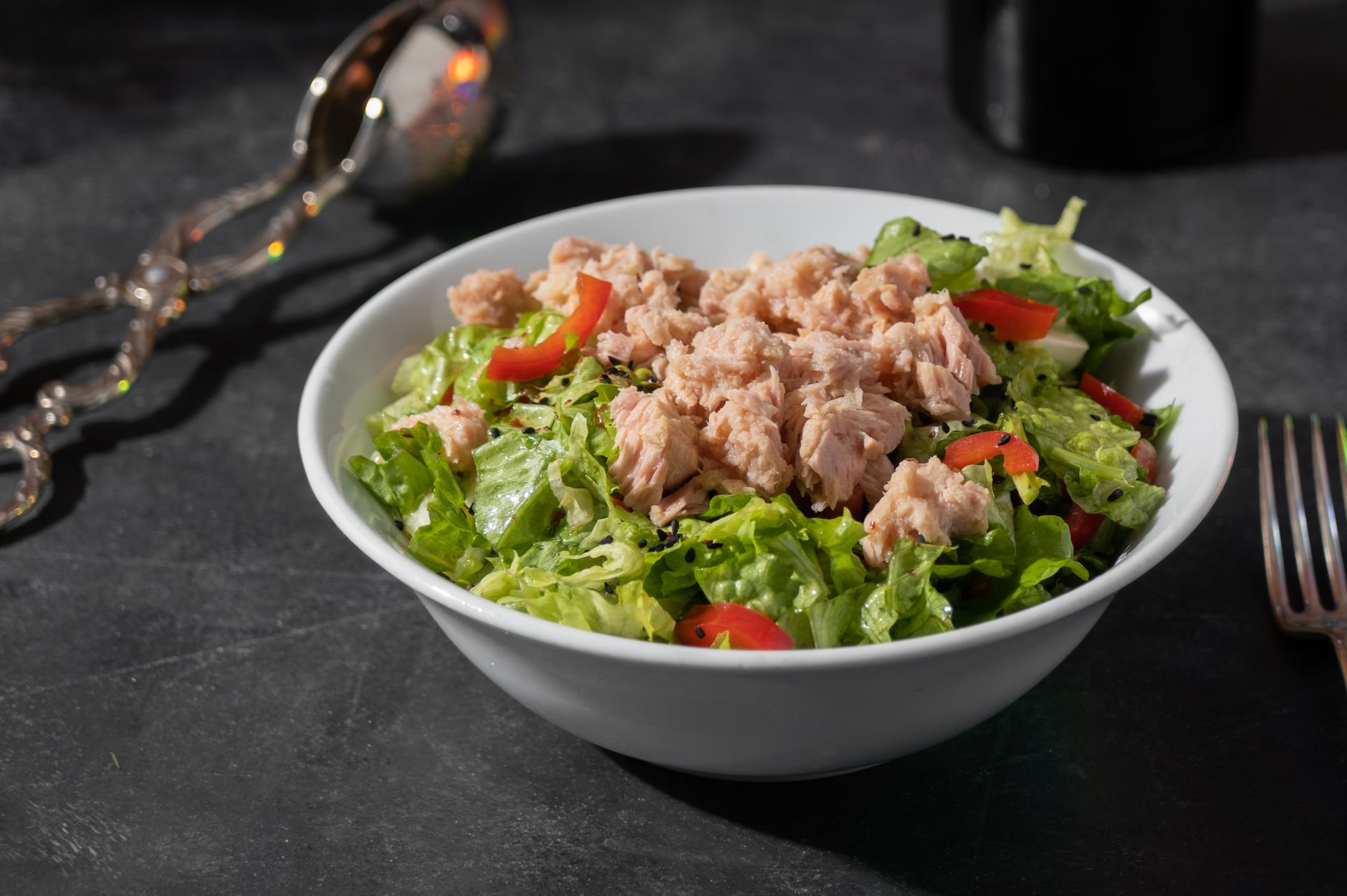
Tuna is a popular seafood choice, enjoyed in various forms around the world. Many people wonder about its health implications, particularly its nutritional benefits and potential risks. In this article, we delve into the nutritional profile of tuna, explore its health benefits, and discuss considerations regarding its consumption.
As discussions around health and diet continue to evolve, understanding whether tuna is a healthy option is essential for those looking to improve their eating habits. This guide covers everything you need to know about tuna’s nutritional content, benefits, potential drawbacks, and cooking methods.
Is Tuna Healthy for You?
Yes, tuna can be a healthy addition to your diet. It is rich in protein, omega-3 fatty acids, and various nutrients. However, it’s important to consider factors such as mercury content and how tuna is prepared, as these can affect its health impacts.
Nutritional Profile of Tuna
Tuna is not only delicious but also packed with nutrients. Below is a breakdown of its primary nutritional components.
Protein Content
One of the standout features of tuna is its high protein content. An average serving size of canned tuna (about 165 grams) contains around 42 grams of protein, making it an excellent option for those looking to boost their protein intake.
Omega-3 Fatty Acids
Tuna is a great source of omega-3 fatty acids, which are essential for heart health, cognitive function, and reducing inflammation. A serving of tuna can provide approximately 1.5 grams of omega-3 fatty acids, though this can vary depending on the type of tuna.
Vitamins and Minerals
Tuna is also rich in several important vitamins and minerals:
- Vitamin D: Essential for bone health and immune function.
- Vitamin B12: Important for nerve function and the production of DNA and red blood cells.
- Selenium: Acts as an antioxidant and plays a role in metabolism.
- Iodine: Necessary for proper thyroid function.
Caloric Content
Most types of tuna are relatively low in calories, with a serving of canned tuna containing approximately 220 calories. This makes tuna a suitable option for those watching their caloric intake while still needing adequate nutrition.
Health Benefits of Tuna
The consumption of tuna can provide several health advantages. Here are some of the key benefits associated with eating tuna regularly:
Heart Health
The omega-3 fatty acids found in tuna are known to support heart health. These essential fats can help reduce triglyceride levels, lower blood pressure, and decrease the risk of heart disease.
Cognitive Function
Regular intake of omega-3 fatty acids is also linked to improved cognitive function and a lower risk of neurodegenerative diseases such as Alzheimer’s. Including tuna in your diet can support better brain health.
Weight Management
The high protein content of tuna helps to promote satiety, making it easier to manage weight. A protein-rich diet can help reduce hunger levels and promote fat loss.
Supports Muscle Growth and Repair
For those who are physically active, the protein in tuna supports muscle growth and recovery post-exercise. Including tuna in meals can help enhance muscle repair and synthesis.
Considerations When Eating Tuna
While tuna is generally considered healthy, there are some important considerations to keep in mind.
Mercury Content
One of the primary concerns with tuna consumption is the mercury content found in some species of tuna. Mercury is a toxic heavy metal that can accumulate in the body over time, leading to potential health issues. Here are a few key points:
- Species Matters: Larger species such as tuna tend to accumulate higher levels of mercury. For example, albacore and bluefin tuna contain more mercury than skipjack tuna.
- FDA Guidelines: The U.S. Food and Drug Administration (FDA) recommends limiting consumption of high-mercury fish, especially for pregnant women, nursing mothers, and young children.
Preparation Methods
How you prepare tuna plays a significant role in its overall health benefits. Some common preparation methods and their health implications include:
- Canned Tuna: Often packed in water or oil, canned tuna can be a healthy option, but be mindful of added sodium if you choose the salted variety.
- Grilled or Seared Tuna: Cooking fresh tuna steaks can enhance flavor, but avoid added fats or heavy sauces that may negate the health benefits.
- Raw Tuna (Sushi/Tartare): While raw tuna can be safe if sourced correctly, it carries a risk of foodborne illness and should be from reputable sources.
Allergic Reactions and Sensitivities
Some individuals may experience allergic reactions to fish, including tuna. If you notice symptoms such as hives, difficulty breathing, or swelling after consuming tuna, seek medical advice.
Practical Tips for Incorporating Tuna into Your Diet
If you’re looking to add tuna to your meals, here are some practical tips to help you incorporate it into your diet:
Choosing the Right Tuna
When purchasing tuna, consider the following tips:
- Look for sustainably sourced tuna to support ocean conservation efforts.
- Check labels for mercury levels, preferably opting for species recognized for lower mercury content.
- Choose canned tuna packed in water for a leaner option, while also considering those packed in olive oil for additional healthy fats.
Meal Ideas with Tuna
Here are a few delicious ways to enjoy tuna:
- Tuna Salad: Mix canned tuna with Greek yogurt, mustard, diced celery, and pickles for a healthier twist on traditional tuna salad.
- Tuna Poke Bowl: Combine diced raw tuna with soy sauce, sesame oil, avocado, and vegetables served over brown rice.
- Grilled Tuna Steaks: Marinate and grill fresh tuna steaks, serving with a side of roasted vegetables.
Storage and Shelf Life
Proper storage will help maintain the freshness and safety of tuna:
- Canned tuna can typically be stored in a cool, dry place for up to five years, but always check the expiration date.
- Fresh tuna should be kept in the refrigerator and consumed within 1-2 days. When frozen, it can last for 2-3 months.
Common Questions About Tuna
Here are some frequently asked questions regarding tuna to clarify common uncertainties:
Can I eat tuna every day?
While tuna is nutritious, eating it daily may not be advisable due to potential mercury exposure. It is best to diversify your diet with other protein sources.
Is canned tuna better than fresh tuna?
This depends on personal preference and budget. Canned tuna is convenient and has a long shelf life, while fresh tuna may contain more omega-3s if prepared correctly.
What is the healthiest type of tuna to eat?
Skipjack tuna, which is often used in canned products, generally has lower mercury levels compared to other varieties. Albacore tuna, although higher in omega-3s, also has higher mercury levels and should be consumed in moderation.
Conclusion
Tuna can be a healthy and nutritious option when consumed in moderation and prepared thoughtfully. With its excellent nutrient profile and delicious flavor, it can fit well into a balanced diet. Consider incorporating tuna into your meals, while being mindful of mercury levels and preparation methods for the best health outcomes.
Explore our related recipes for delicious ways to enjoy tuna, such as a healthy tuna salad recipe or try making a tuna burger recipe for a nutritious and tasty meal.