
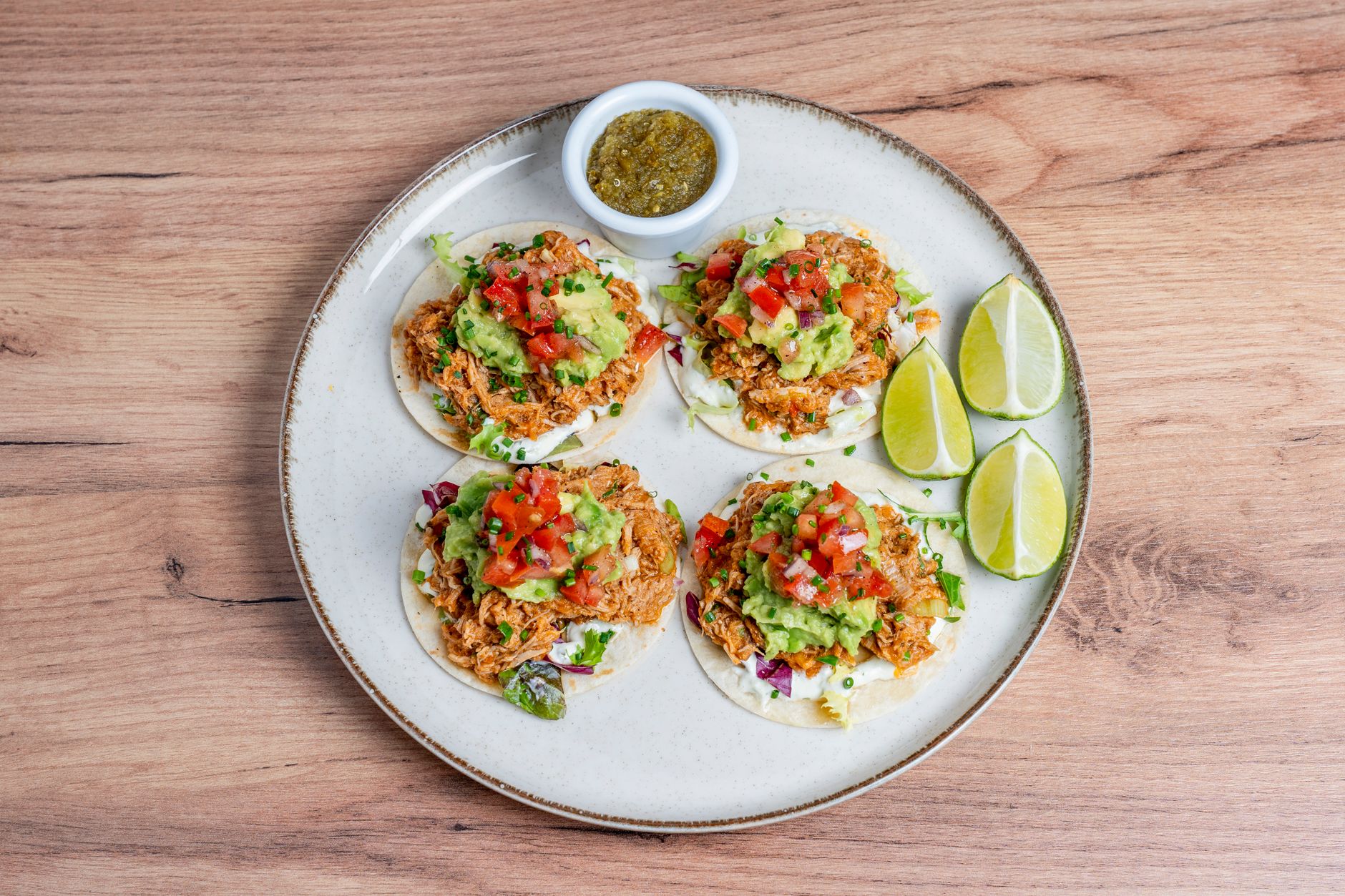
Tinga, a dish originating from Puebla, Mexico, is known for its shredded meats enveloped in a flavorful tomato and chipotle sauce. It’s often served in tacos or as a topping for other dishes. But is this dish healthy? In this article, we will explore the nutritional aspects of tinga, portion considerations, and any relevant dietary implications.
There are many variations of tinga, incorporating diverse ingredients depending on personal or regional preferences. Understanding its nutritional value can help you make informed choices about including it in your diet.
Is Tinga Healthy?
Tinga can be a healthy option, especially when prepared with lean meats and served with fresh vegetables. Its main ingredients include tomatoes, onions, and chipotle peppers, contributing both fiber and vitamins. However, the health aspect can vary depending on portion sizes and additional toppings.
Nutritional Breakdown of Tinga
To determine if tinga is a healthy meal choice, it’s essential to look at its individual components. Here’s a simple breakdown of the common ingredients:
- Meat: Typically chicken, pork, or beef, which provide protein and essential nutrients. Chicken breast, for example, is lower in fat and calories compared to other meats.
- Tomatoes: A great source of vitamins A, C, and K, as well as antioxidants. Their fiber content helps with digestion.
- Onions: Contain vitamins B and C, along with antioxidants, which may help reduce inflammation.
- Chipotle Peppers: These add flavor and some heat, containing vitamin C and supporting a healthy metabolic rate.
- Tortillas: A common base for tinga, which can be either corn or flour. Corn tortillas are typically lower in calories and higher in fiber.
Serving Sizes and Their Implications
Portion sizes play a critical role in determining the healthfulness of tinga. A standard serving of tinga might consist of:
- 1 cup of shredded meat in the tinga sauce
- 2 small corn tortillas
- 1/2 cup of diced vegetables (like lettuce, tomato, or avocado) for topping
Consuming the dish in these controlled portions can lead to a balanced meal rich in nutrients while respecting calorie intake.
Healthy Eating Considerations
When enjoying tinga, consider the following to maximize its health benefits:
Choose Lean Meats
Selecting lean cuts of meat, such as chicken breast or lean pork loin, can significantly reduce the fat content of the dish. For a healthier twist, consider using plant-based proteins like jackfruit or tofu for a vegetarian version.
Limit Added Fats
While cooking tinga, it’s easy to go overboard with added oils for sautéing. Try using a non-stick pan or utilizing cooking sprays to minimize added fats.
Add Plenty of Vegetables
Boosting your tinga with fresh vegetables can enhance its nutritional profile. You can include toppings like lettuce, radishes, or avocado to provide additional vitamins, minerals, and healthy fats.
Common Variations of Tinga
Tinga can be easily adapted to suit various dietary preferences. Below are some common variations:
Vegetarian/Vegan Tinga
For a plant-based version, substitute traditional meat with jackfruit, mushrooms, or lentils. This not only reduces fat and cholesterol but also makes the dish accessible for vegans.
Low-Carb Tinga
Skip tortillas altogether or opt for lettuce wraps to reduce carb intake. This variation is suitable for individuals following a keto or low-carb diet.
Gluten-Free Tinga
Selecting corn tortillas or serving tinga over rice or quinoa can provide a gluten-free alternative without sacrificing flavor.
Possible Health Risks and Allergens
While tinga can certainly fit into a healthy diet, there are some factors to consider:
Sodium Content
Commercially prepared sauces can contain high levels of sodium, which can impact heart health. If making tinga at home, opt for low-sodium broth or canned tomatoes to control salt levels.
Allergens
Common allergens may be present, depending on the ingredients used. Those sensitive to certain spices or gluten should double-check all components, including sauces and tortillas.
Cooking Techniques for Tinga
To prepare a flavorful tinga, you can follow a straightforward cooking technique that enhances the overall flavor. Here’s how:
Essential Equipment
- Dutch oven or large saucepan
- Cutting board and knife
- Blender or food processor (optional for sauce)
- Wooden spoon or spatula
Basic Method for Making Tinga
- Start by sautéing chopped onions in a Dutch oven over medium heat until translucent.
- Add minced garlic after the onions are cooked for an additional minute.
- Add your choice of meat to the Dutch oven, browning it on all sides.
- Add chopped tomatoes, chipotle peppers, and a splash of chicken or vegetable broth to incorporate moisture and flavor.
- Cover and simmer on low heat for 30-40 minutes, or until the meat is tender and easily shreddable.
- Once cooked, shred the meat using forks and stir it back into the sauce.
- Serve warm with tortillas and your choice of toppings.
Serving Suggestions
Tinga is versatile and can be enjoyed in several ways. Here are some serving ideas:
- As tacos or burritos with a variety of fresh toppings.
- Over a bed of rice or quinoa to create a filling bowl.
- With a side salad for a balanced meal.
Storage and Reheating Tips
To keep your tinga fresh, store it properly and follow these guidelines:
Storage
Allow tinga to cool completely before transferring it to an airtight container. It can be safely stored in the refrigerator for up to three days.
Freezing
If you wish to store it longer, consider freezing the tinga. Place it in a freezer-safe container, where it can last for up to three months.
Reheating
When reheating, ensure that the tinga reaches an internal temperature of 165°F (74°C) for safety. You can reheat it on the stovetop over medium-low heat or in the microwave until hot throughout.
Conclusion
Tinga is a delightful dish that can be healthy when prepared mindfully. By considering its ingredients, portion sizes, and possible adaptations, you can enjoy tinga as a nutritious part of your meal repertoire. Remember that moderation and balance are key to a healthy diet.
If you’re interested in exploring more about meal health and nutrition, consider checking out our guides on Is Pozole Healthy and Is Taco Bell Chicken Quesadilla Healthy. Each of these articles will give you further insights into making informed food choices.