
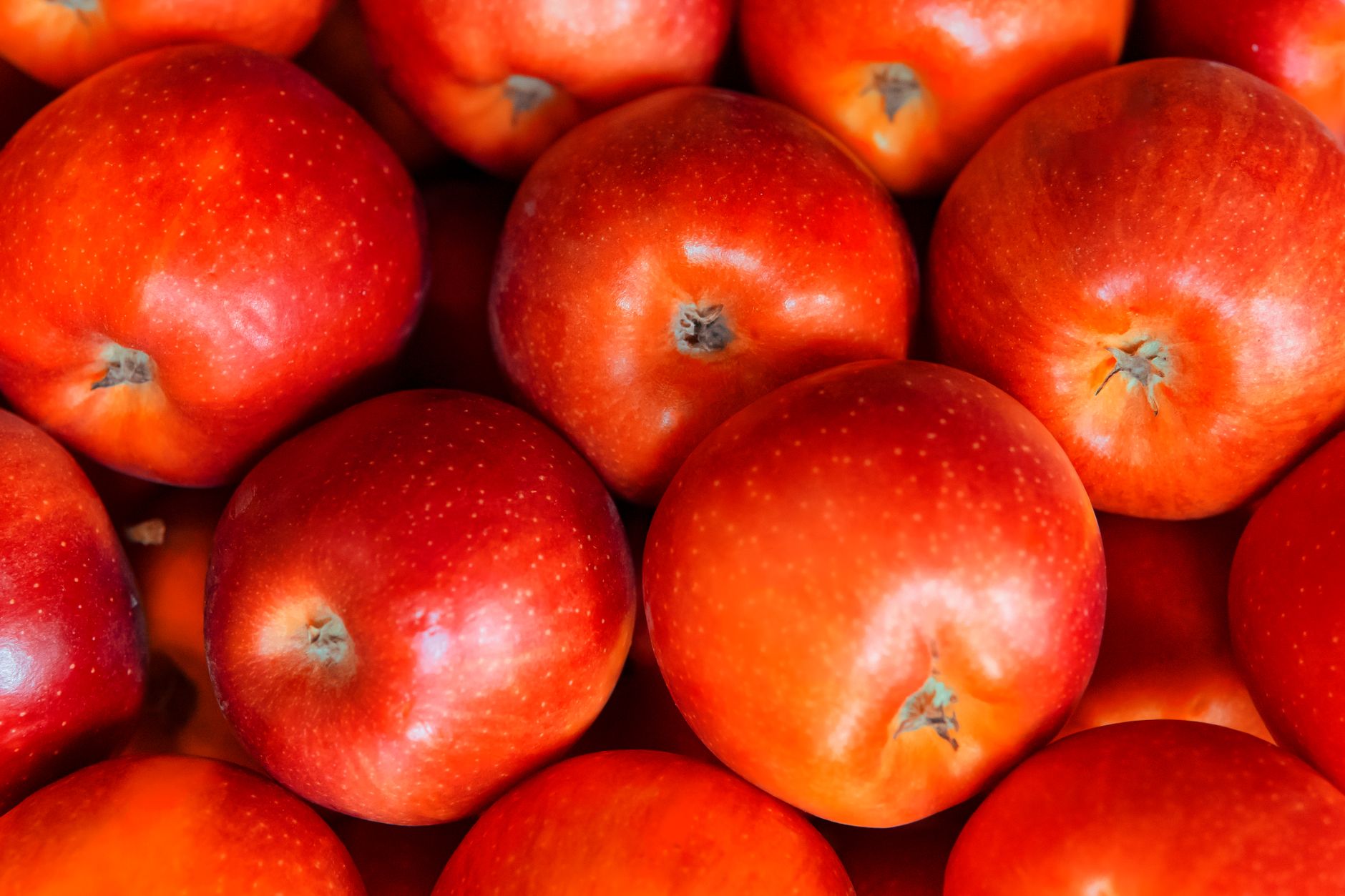
Apples are often seen as one of the most popular and versatile fruits, enjoyed by many in various forms. However, one common question that arises is whether there is wax on apples when they are purchased from the store.
The short answer is yes; many apples sold in grocery stores are coated with a food-grade wax. This article will explore the reasons behind this practice, the types of wax used, the impact on eating and cooking, and how to prepare and enjoy apples while considering the wax coating.
Is There Wax on Apples?
Yes, many commercially sold apples are coated in a layer of wax. This food-grade wax serves several purposes, including preserving freshness, enhancing appearance, and slowing down spoilage. Various types of wax are used to achieve these results, making it an integral part of apple handling in the food industry.
Why Are Apples Waxed?
The primary reasons for waxing apples include:
- Preservation: Wax acts as a moisture barrier, reducing moisture loss and preventing the apples from shriveling. This helps prolong the shelf life of apples, allowing them to stay fresh for longer periods.
- Aesthetic Appeal: A wax coating gives apples a glossy sheen, enhancing their visual appeal. This is important for retail, as consumers are often attracted to shiny fruits.
- Protection: Wax helps protect apples from physical damage, but it also minimizes bruising and protects against diseases and pests during transportation and storage.
Types of Wax Used on Apples
Several types of food-grade wax can coat apples, including:
- Carnauba Wax: This is a natural wax derived from the leaves of the Brazilian carnauba palm. It is considered one of the hardest natural waxes and provides a strong barrier against moisture loss.
- Beeswax: A natural wax produced by honeybees, beeswax is often used in combination with other waxes. It offers excellent adherence and a glossy finish.
- Shellac: Shellac is a resin secreted by the female lac bug, not a wax but often used as a coating for apples. It provides a durable protective layer and is safe for consumption.
- Paraffin Wax: This is a petroleum-based wax that is sometimes used but is less common than the other options due to consumer preferences for natural products.
Is Wax on Apples Safe to Eat?
Yes, the wax used on apples is generally safe to eat. The Food and Drug Administration (FDA) recognizes these wax coatings as food-grade and acceptable for consumption. However, some consumers may prefer to avoid wax altogether.
How to Remove Wax from Apples
If you’d like to remove the wax before consuming apples, here are some effective methods:
- Wash with Water: Rinse apples under warm running water while scrubbing the surface with your hands. This method can help remove some wax and any pesticide residue.
- Use a Produce Brush: A produce brush can effectively scrub the wax off the surface. Be sure to clean the entire surface of the apple to ensure you remove any dirt or wax.
- Vinegar Solution: Prepare a solution of one part vinegar to three parts water. Soak the apples for 5-10 minutes, then rinse under warm water. The vinegar can help break down wax while also disinfecting.
- Baking Soda Solution: Mix a tablespoon of baking soda in a bowl of water and soak the apples for 5-10 minutes. Rinse afterwards. Baking soda helps to eliminate residues without harsh chemicals.
The Impact of Wax on Flavor and Texture
The wax coating does not significantly alter the flavor or texture of apples. Consumers generally enjoy apples as they are intended, with the wax serving as a barrier rather than altering the sensory experience. However, some people might find the texture slightly slick when biting into a waxed apple.
Cooking and Using Apples with Wax
The wax on apples does not negatively affect their culinary uses. Here are several delicious ways to incorporate apples into your dishes:
Raw Applications
- Snacking: Wash apples thoroughly and slice them for a nutritious snack that’s high in fiber and vitamin C. Serve with nut butter or yogurt for added protein.
- Salads: Add diced or sliced apples to salads for a crunchy texture and sweet note that balances savory ingredients.
- Fruit Platters: Include sliced apples on fruit platters for a fresh and colorful addition to parties or gatherings.
Cooking Applications
- Baking: Use apples in pies, crisps, or cakes, as their natural sweetness is enhanced during baking. Consider popular recipes like apple pie or apple cinnamon muffins.
- Sauces and Spreads: Cook apples down to make homemade applesauce or apple butter, effectively using their sweetness and flavor without the wax affecting the final product.
- Sautéing: Sauté apples with cinnamon and sugar or mix them into savory dishes with roasts or meats for added flavor.
Health Benefits of Eating Apples
Eating apples, waxed or not, offers numerous health benefits:
- Rich in Nutrients: Apples are a great source of dietary fiber, vitamin C, and several antioxidants, contributing to overall health.
- Heart Health: The soluble fiber in apples, particularly pectin, can help lower cholesterol levels, which may support heart health.
- Weight Management: High in fiber and water content, apples can promote satiety, making them an ideal snack for weight control.
- Digestive Health: Dietary fiber aids digestion and promotes regular bowel movements, improving gut health.
Common Uses for Apples Beyond Eating
Apples can be utilized in many different applications beyond simply eating or cooking. Here are some innovative uses:
- Homemade Cider: Fermenting apples can yield delicious apple cider, perfect for enjoying during autumn or using in cocktails.
- Natural Cleaning Products: Apple peels can be repurposed to create homemade cleaning solutions, taking advantage of their natural acids.
- Beauty Treatments: Apples contain malic acid, which can help exfoliate skin. Apple slices can be used in DIY face masks or treatments.
Storing Apples Correctly
Properly storing apples will ensure they maintain their freshness and flavor. Keep the following tips in mind:
- Refrigeration: Store apples in the refrigerator to slow down ripening. Place them in the crisper drawer where the temperature remains consistent.
- Avoiding Ethylene Gas: Keep apples away from ethylene-producing fruits like bananas and avocados, as they can cause apples to ripen and spoil faster.
- Inspect Regularly: Check apples regularly and remove any that show signs of bruising or spoilage to prevent them from affecting other apples.
Apples Varieties and Their Uses
With a variety of apple types available, each has its unique flavor and culinary application:
Popular Apple Varieties:
- Granny Smith: Tart and crisp, perfect for pies and baking.
- Honeycrisp: Sweet and juicy, great for snacking and salads.
- Fuji: Sweet with a dense flesh, excellent for eating or cooking.
- Gala: Sweet and refreshing, ideal for kids and salads.
- Golden Delicious: Mild and sweet, perfect for sauces and baking.
Common Mistakes to Avoid When Handling Apples
To ensure you enjoy apples to their fullest, avoid these common mistakes:
- Storage Issues: Neglecting proper storage can lead to accelerated spoilage. Always refrigerate apples and inspect regularly.
- Inadequate Washing: Failing to wash apples before consumption can leave wax and pesticide residues intact. Always wash before eating or using.
- Ignoring Ripeness: Using apples that are overripe can lead to mushy textures in baked goods. Always choose apples based on intended use.
Cooking with Waxed vs. Unwaxed Apples
While waxed apples are common, some consumers prefer unwaxed varieties, particularly when seeking organic options. Here’s an overview of the key differences:
- Flavor: Unwaxed apples may have a slightly more natural flavor as the wax can somewhat mask inherent sweetness.
- Texture: The texture of the apple may be different, with unwaxed apples sometimes feeling more textured on the skin.
- Availability: Unwaxed or organic apples may be less common in some grocery stores but can often be found at farmer’s markets or specialty shops.
Conclusion
Many apples sold in stores are coated with a food-grade wax to extend shelf life, enhance appearance, and protect the fruit during storage. This wax is safe to consume, and with proper washing methods, you can enjoy apples in their full glory. Whether eaten raw, baked, or used in sauces, apples remain a versatile and healthy fruit. Explore this culinary delight by trying out your favorite ways to enjoy them, and consider experimenting with different apple varieties in your next recipes.
For more ideas, check out our recipes for homemade apple pie filling, or indulge in our caramel apple dip recipe for a festive treat. Happy cooking!