
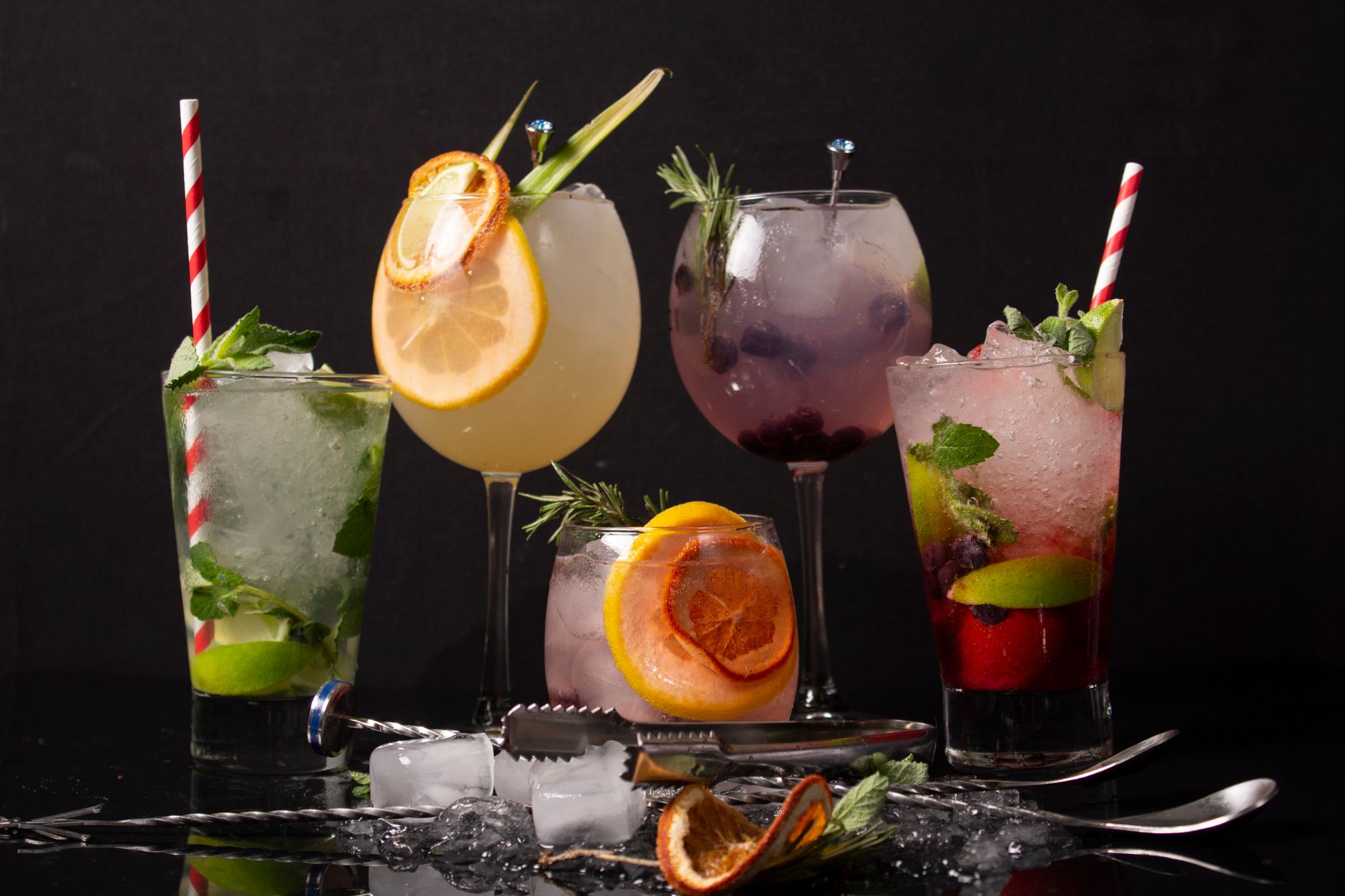
Gin is a popular spirit known for its unique botanical flavors and versatility in cocktails. Many people wonder about its sugar content and how it affects the flavor and character of gin. This article will explore whether there is sugar in gin, how it is made, and what it means for your drink choices.
Understanding the sugar content in gin can also help you make informed decisions when it comes to mixing drinks or selecting an appropriate cocktail for your lifestyle or dietary preferences. Read on to uncover the relationship between gin and sugar, along with some serving ideas and cocktail recipes.
Is There Sugar in Gin?
The primary ingredient in gin is distilled grain or malt, which is then flavored with botanicals, primarily juniper berries, along with other herbs, spices, and fruit. Most gins contain little to no sugar after the distillation process, with dry gins often having less than 1 gram of sugar per serving. However, some flavored or specialty gins may have added sugars to enhance their taste, resulting in a slightly sweeter profile.
Understanding How Gin is Made
To fully understand the sugar content in gin, it’s important to grasp how gin is produced. The gin-making process can be broken down into several key steps:
- Fermentation: Yeast is added to a mixture of water and grains, typically barley or corn, to create alcohol.
- Distillation: The fermented mixture is heated, allowing the alcohol to evaporate and then condense into liquid form. During distillation, impurities and unwanted elements are removed.
- Flavoring: After distillation, botanicals are added. The primary botanical is juniper, but many distillers integrate a wide variety of herbs and spices to create unique flavor profiles.
- Bottling: Once flavored, the gin may be diluted to a desired alcohol content and bottled. This is typically when any additional sweetness from sugar can be introduced.
Types of Gin and Their Sugar Content
There are several types of gin available, each with distinct flavor profiles and sugar content. Understanding these types can help you make informed choices depending on your preferences.
1. London Dry Gin
London Dry Gin is the most well-known style. It is typically characterized by its juniper-forward flavor and is often free from added sugar, containing less than 1 gram per serving. This gin is commonly used in classic cocktails.
2. Plymouth Gin
Plymouth Gin is a geographical indication, meaning it must be made in Plymouth, England. This style is slightly sweeter than London Dry Gin but still has low sugar content. It offers a more earthy and fruity flavor profile.
3. Old Tom Gin
Old Tom Gin is a sweeter style of gin that often includes added sugar during the distillation process. It is less popular than London Dry but can be a great option for some cocktails. Look for brands with sugar content clearly labeled.
4. Flavored Gin
Flavored gins, such as those with floral or fruit infusions, may have noticeable sugar added to balance the flavors. Sugar content in these gins can vary significantly, so consumers should check product labels for specifics.
How to Choose Gin Based on Sugar Content
If you are mindful of sugar intake, consider the following when selecting your gin:
- Read Labels: Look for nutritional information on the label to identify sugar content. Distillers may provide details on the amount of sugar per serving.
- Choose Dry Options: Opt for London Dry or Plymouth gins if you prefer lower sugar counts.
- Experiment with Flavors: If you enjoy sweeter gins for cocktails, try limiting the amount of additional sweeteners you introduce in your mixers.
Common Misconceptions About Gin and Sugar
Understanding the context around gin and its sugar content can help clarify some common misconceptions:
- All gins contain sugar: This is not true. While some gins, especially flavored ones, have added sugar, traditional dry gins do not.
- Sweetness in cocktails comes from gin: Sweetness in cocktails often comes from mixers, liqueurs, or syrups added to the drink rather than from the gin itself.
- Less sugar means less flavor: Although some associate sweetness with flavor, many gins are crafted to deliver complex tastes through botanicals without relying on sugar.
Serving Ideas for Gin
Gin is incredibly versatile, making it an excellent choice for various cocktails. Here are some ideas for enjoying gin based on its unique flavor profiles:
Classic Gin and Tonic
A gin and tonic is a quintessential gin cocktail that highlights the spirit’s botanicals. Use a London Dry or Plymouth gin, a high-quality tonic water, and fresh lime wedges for the best taste.
- Fill a glass with ice.
- Add 1.5 ounces of gin.
- Top with tonic water (about 4 to 6 ounces).
- Garnish with a lime wedge or cucumber slice, if desired.
Negroni
The Negroni is a classic aperitif cocktail made with equal parts gin, Campari, and sweet vermouth. It can be a bit sweeter due to the sweet vermouth, so use a drier gin to balance it.
- In a mixing glass, combine 1 ounce of gin, 1 ounce of Campari, and 1 ounce of sweet vermouth.
- Fill the mixing glass with ice and stir until chilled.
- Strain into a rocks glass filled with ice.
- Garnish with an orange twist.
Gin Fizz
A Gin Fizz delivers a refreshing burst of flavor, ideal for warm weather. This cocktail contains gin, lemon juice, and soda water.
- In a shaker, combine 2 ounces of gin, 1 ounce of fresh lemon juice, and 0.5 ounces of simple syrup (adjust according to taste).
- Add ice and shake vigorously.
- Strain into a glass filled with ice and top with soda water.
- Garnish with a lemon slice or mint sprig.
Alternatives to Sugar in Gin Cocktails
If you want to avoid sugar but still enjoy cocktails, consider alternative sweeteners or techniques:
- Use Fresh Fruit: Fresh citrus, berries, or other fruits can add natural sweetness and flavor without added sugar.
- Flavored Seltzers: A flavored sparkling water can provide taste without the sugars found in sodas or tonic water.
- Herbs and Spices: Infusing your gin with herbs or spices can add sweetness perceived by the palate without adding sugar.
Common Mistakes with Gin Cocktails
While mixing gin cocktails, avoid these common pitfalls:
- Using Low-Quality Ingredients: The type of gin and mixers you select directly impacts the flavor. Always opt for quality, especially with tonic water.
- Over-Mixing: Overmixing can dilute the flavors. Stick to the recommended mixing time for your cocktails.
- Add Too Much Sweetener: Even if using sugar, be cautious with the amount. A little can enhance but too much can overpower the drink.
Storing and Preserving Gin
Proper storage can keep your gin fresh for longer. Follow these guidelines:
- Keep it Cool: Store gin in a cool, dark place, away from direct sunlight to preserve its flavor.
- Seal Properly: Ensure that the bottle is tightly sealed to protect it from oxidation; this will help maintain quality over time.
- Check Expiry Dates: While gin does not spoil, it is best consumed within a few years of purchase for optimal flavor.
Sugar and Dietary Considerations
If you are monitoring your sugar intake for health reasons, it’s beneficial to pay attention to the type of gin you choose:
- Low-Sugar Diets: Stick with traditional dry gins to meet lower sugar diet needs.
- Diabetic Considerations: Always check for sugar content if you are managing diabetes. Opt for straight gin with no mixers.
- Caloric Content: Remember that sugar does contribute to the caloric content of cocktails, depending on how it’s used.
Conclusion
Understanding the sugar content in gin can help you make better choices for your cocktails and drinks. Whether you prefer a classic gin and tonic or a specialty drink, knowing what is in your gin and its mixers is ideal for enjoying your experience. For an unexplored realm of cocktail-making, consider experimenting with unique gin recipes such as a refreshing gin and juice, or a refined lychee martini to elevate your gin experience.