
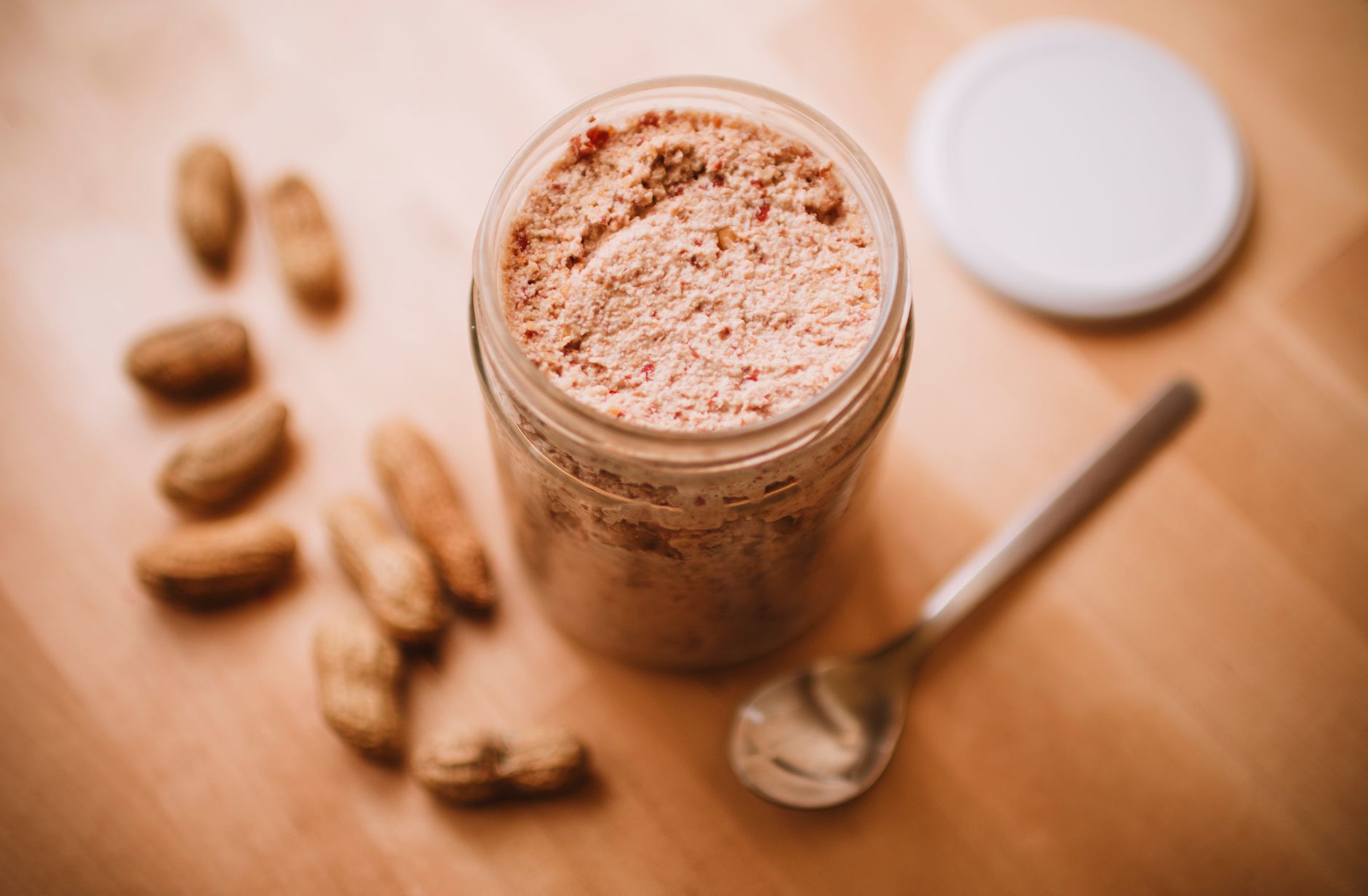
Peanut butter is a beloved staple in many kitchens, prized for its rich taste and versatility. However, for individuals with gluten sensitivities or celiac disease, the question of whether peanut butter contains gluten is critical. Understanding the composition of peanut butter can help make informed decisions about its consumption.
In this article, we will explore whether there is gluten in peanut butter, the factors to consider when selecting peanut butter, and tips for ensuring your peanut butter is gluten-free. We will also touch on relevant label information, popular brands, and practical advice for anyone concerned about gluten in their diet.
Is There Gluten in Peanut Butter?
Generally, pure peanut butter made from just peanuts and possibly a bit of salt is gluten-free. However, certain brands and varieties can contain gluten due to added ingredients or cross-contamination during processing. Always check the labels and choose certified gluten-free options for complete assurance.
Understanding Gluten
Gluten is a protein found in wheat, barley, and rye. It provides elasticity in dough and helps maintain the shape of baked goods. For individuals with gluten intolerance or celiac disease, consuming gluten can lead to severe health complications, making knowledge of gluten-containing products crucial.
The Nature of Peanut Butter
Peanut butter is traditionally made by grinding roasted peanuts into a creamy or chunky spread. Most commercially available peanut butter consists of peanuts and can include minimal ingredients like salt or sugar. Therefore, peanut butter itself, in its most basic form, does not contain gluten.
Ingredients to Watch For
While pure peanut butter is gluten-free, processed varieties may contain additional ingredients that can introduce gluten. Here are some common additives that may include gluten:
- Sweeteners: Some mass-produced peanut butters add sweeteners like maltodextrin derived from wheat.
- Stabilizers and emulsifiers: Thickening agents or oils may sometimes include gluten-related products.
- Flavorings: Artificial flavorings might also be a source of gluten.
Cross-Contamination
Cross-contamination is another concern when assessing peanut butter for gluten content. This can occur if peanut butter is produced in facilities that also handle gluten-containing products. Some brands take extra care to prevent cross-contamination, so look for labels indicating gluten-free production practices.
Choosing Gluten-Free Peanut Butter
To ensure your peanut butter is gluten-free, consider taking the following steps:
- Read Labels: Always check the ingredient list and look for gluten-free certifications.
- Look for Trusted Brands: Choose brands known for producing gluten-free products. Popular brands often label their peanut butter gluten-free.
- Consider Natural Options: Opt for peanut butter made from solely peanuts without added oils or preservatives.
Popular Gluten-Free Peanut Butter Brands
Here are some popular peanut butter brands that typically offer gluten-free options:
- Jif: Their creamy and crunchy peanut butter varieties are often labeled gluten-free but check individual jars.
- Skippy: Skippy’s regular peanut butter is generally gluten-free.
- Trader Joe’s: Known for its simple ingredient list, their peanut butter varieties are gluten-safe.
- Smucker’s: Their natural peanut butter is gluten-free, provided you choose the right version.
What About Homemade Peanut Butter?
Making peanut butter at home is an excellent way to ensure its gluten-free status. Here’s a quick guideline:
- Ingredients: Use only dry roasted peanuts or raw peanuts, and optionally some salt for flavor.
- Process: Blend peanuts in a food processor until smooth, scraping down the sides as necessary.
- Consistency: Adjust the blending time to achieve your desired creaminess or chunkiness.
- Storage: Transfer to a clean, airtight container for up to two weeks in the refrigerator.
Peanut Butter Substitutions for Gluten-Free Diets
If you or someone in your household cannot enjoy peanut butter, there are several gluten-free alternatives worth considering:
- Almond Butter: Made from ground almonds, it’s similar in flavor and consistency.
- Sunflower Seed Butter: A nut-free alternative that offers a distinct taste and a good source of healthy fats.
- Cashew Butter: Creamy and sweet, cashew butter is another excellent choice for those avoiding peanuts.
Common Questions About Gluten and Peanut Butter
Is all natural peanut butter gluten-free?
Most natural peanut butter with only peanuts and perhaps salt is gluten-free. However, always check the specific product label to confirm.
Can you have peanut butter if you have celiac disease?
If you choose 100% pure peanut butter or a brand certified gluten-free, you can typically enjoy peanut butter safely.
How can I store peanut butter to maintain its quality?
Store opened peanut butter in a cool, dry place. Natural varieties may separate, so stir well before storing and ensure the lid is always tightly closed to prevent moisture absorption.
Using Peanut Butter in Cooking and Baking
Peanut butter can lend depth and flavor to various dishes, from smoothies to baked goods. Here are some ideas:
- Peanut Butter Banana Smoothie: Blend together banana, peanut butter, milk (or non-dairy alternatives), and ice for a nutritious drink.
- Peanut Butter Cookies: Combine peanut butter, sugar, and an egg for simple gluten-free cookies.
- Asian Dishes: Peanut butter can be a key ingredient in sauces for dishes like pad Thai or dressing for salads.
Tips for Enjoying Peanut Butter Safely
For those focusing on gluten-free eating, here are additional tips:
- Avoid Cross-Contact: Use clean utensils dedicated to gluten-free foods when serving peanut butter.
- Baking Considerations: Always ensure any other ingredients like flour or mix-ins are gluten-free when baking with peanut butter.
- Consult Resources: Use reputable sources or chat with a dietitian if you’re uncertain about new foods in a gluten-sensitive diet.
The Bottom Line on Peanut Butter and Gluten
In summary, peanut butter can be a wholesome addition to a gluten-free diet if careful attention is paid to the ingredients and labels. By selecting pure peanut butter or brands that guarantee gluten-free status, individuals with gluten sensitivities can safely enjoy this delightful spread.
As a next step, consider exploring gluten-free recipes using peanut butter, or discover other gluten-free options to complement your meals. For instance, check out our informative guide on Basmati Rice and Gluten and try out our beloved Gluten-Free Waffle Recipe for breakfast ideas.