
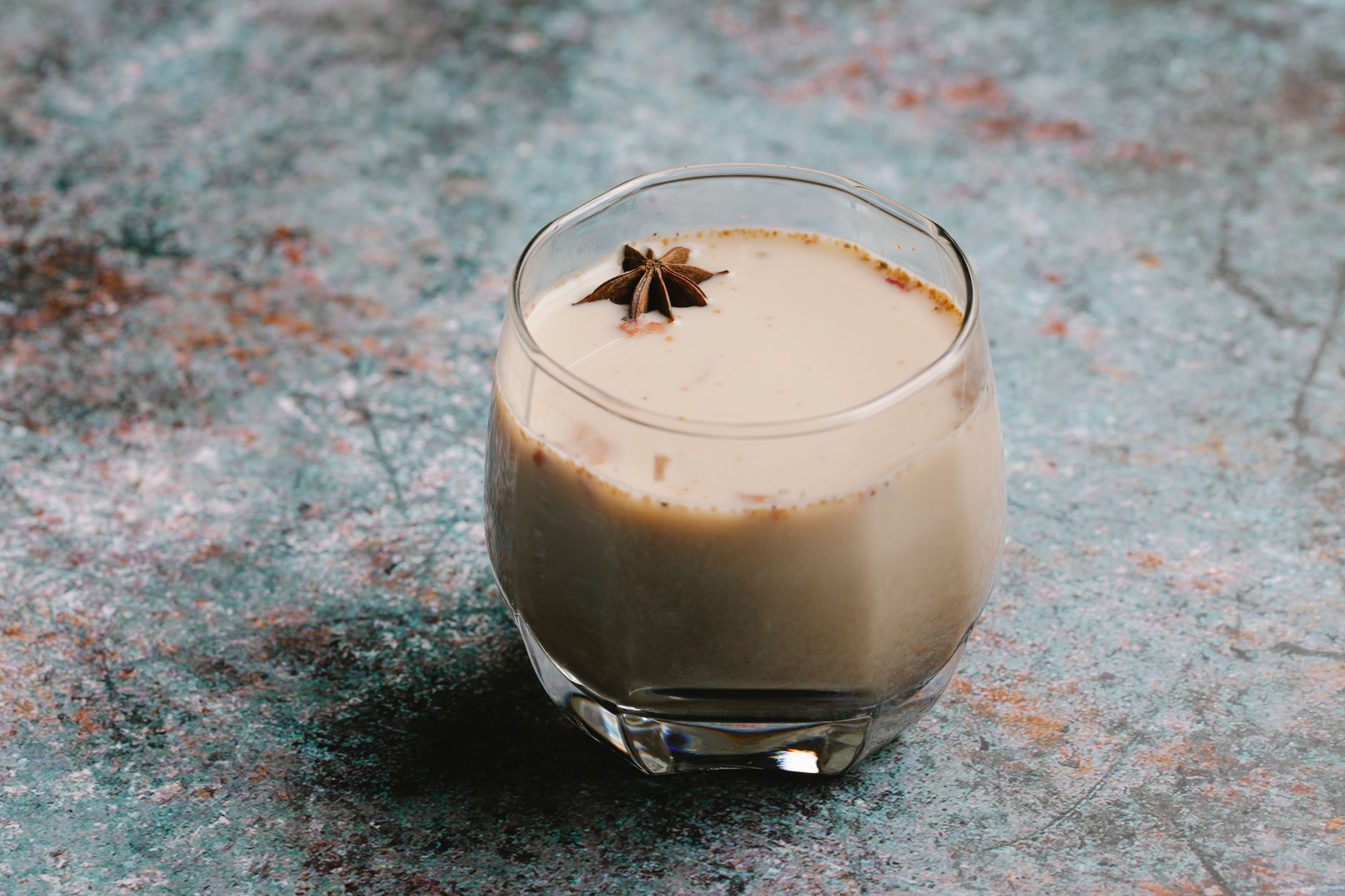
If you find yourself at Starbucks and are drawn to the aromatic allure of a Chai Latte, you may wonder about its caffeine content. This popular beverage blends spiced tea with steamed milk, making it a favorite among coffee enthusiasts and tea lovers alike. Understanding the caffeine levels can enhance your drink selection, especially if you’re sensitive to caffeine or simply monitoring intake.
The Chai Latte at Starbucks does contain caffeine, but the amount can vary based on various factors, such as the size of the drink and the specific amount of tea used. This article will explore the caffeine content in a Starbucks Chai Latte, how it compares to other drinks in the menu, and tips for customizing your order to fit your caffeine preferences.
Is There Caffeine in Chai Latte Starbucks?
Yes, there is caffeine in a Chai Latte from Starbucks. A standard serving contains approximately 95 milligrams of caffeine in a grande size (16 fl oz). Therefore, if you’re aiming to limit your caffeine consumption, it’s essential to consider these figures when ordering.
Understanding Caffeine in Chai Latte
Chai, traditionally known as masala chai, is a blend of black tea with spices like ginger, cardamom, cinnamon, and cloves, combined with steamed milk and sweetener. The black tea used in chai lattes is the primary source of caffeine. Here’s a breakdown of the aspects that influence caffeine levels in a Starbucks Chai Latte.
Caffeine Content Breakdown
In a typical Starbucks Chai Latte, the main factors that contribute to the caffeine content are:
- Type of tea: The black tea used in the chai blend contains caffeine.
- Serving size: A tall (12 fl oz), grande (16 fl oz), or venti (20 fl oz) will each have varying caffeine levels, with larger sizes containing more caffeine.
- Preparation: The way the chai concentrate is mixed with milk and water also alters the final caffeine count.
Comparing Caffeine Content: Starbucks Chai Latte vs. Other Beverages
To provide context, here’s how the caffeine content of a Chai Latte compares to other popular Starbucks beverages:
- Pike Place Brewed Coffee: Approximately 310 mg of caffeine in a grande.
- Caffè Americano: Roughly 150 mg of caffeine in a grande.
- Café Latte: About 150 mg of caffeine in a grande.
- Matcha Latte: Around 70 mg of caffeine in a grande.
- Hot Chocolate: Contains no caffeine unless you add espresso.
The Factors Impacting Your Chai Latte Experience
When indulging in a Starbucks Chai Latte, it’s beneficial to know the factors that impact your drinking experience. From personal preferences to dietary considerations, understanding these influences can help you customize your drink effectively.
Customization Options
Starbucks encourages customers to personalize their orders. Here are some ways you can adjust your Chai Latte:
- Milk Choices: You can choose from whole milk, nonfat milk, soy milk, almond milk, or oat milk. Each option may influence the creamy texture and flavor, but not the caffeine content.
- Syrup Adjustments: If you prefer it sweet, you can ask for extra syrup or opt for a sweetener of your choice to enhance the flavor.
- Strength Adjustments: If you’re concerned about caffeine intake, consider requesting half the chai concentrate, which will result in a more mellow flavor with less caffeine.
Caffeine Alternatives and Reductions
If you’re looking for a chai experience with less caffeine, you might consider:
- Decaf Chai Latte: Starbucks offers a decaffeinated version of chai tea, which retains the signature spiced flavor but with significantly less caffeine.
- Chai Tea Bags: At home, you can brew chai tea bags for a milder caffeine dose, especially if the brewing time is controlled.
Health Considerations Related to Caffeine
Monitoring caffeine intake is essential for many individuals due to its effects on health. Here’s what to keep in mind about caffeine consumption, particularly from a Chai Latte.
Caffeine Sensitivity
Some people are more sensitive to caffeine than others. Symptoms of caffeine sensitivity can include:
- Increased heart rate
- Anxiety or jitteriness
- Insomnia
- Digestive issues
If you experience any of these, consider a lower-caffeine option or a decaf variant.
Recommended Daily Limits
Health experts suggest that most adults can safely consume up to 400 mg of caffeine per day. This is roughly the equivalent of four 8-ounce cups of brewed coffee. However, individual tolerances can vary, and it’s advisable to listen to your body’s responses.
Enjoying Your Chai Latte Experience
Once you’ve made informed decisions about caffeine levels, it’s time to enjoy your Chai Latte. Here are some tips on savoring this beverage:
Serving Suggestions
Pair your Chai Latte with:
- Scones or baked goods to complement the warmth and spices of the chai.
- Light breakfast options, such as a muffin or oatmeal, to start your day on a comforting note.
Timing Your Consumption
Consider enjoying your Chai Latte as an afternoon treat. This can help avoid potential sleep disturbances if consumed late in the day. Timing can make a significant difference in how caffeine affects your overall well-being.
Final Thoughts on Caffeine in Chai Latte
Understanding the caffeine content in a Starbucks Chai Latte empowers you to make choices that align with your health and lifestyle preferences. Whether you’re indulging in a creamy drink or opting for a lighter caffeine option, being informed enhances your coffee shop experience.
Additional Resources
If you’re curious about other drinks, check out our guide on caffeine in chai tea or explore our delicious Caramel Ribbon Crunch Frappuccino recipe for your next treat at home!