
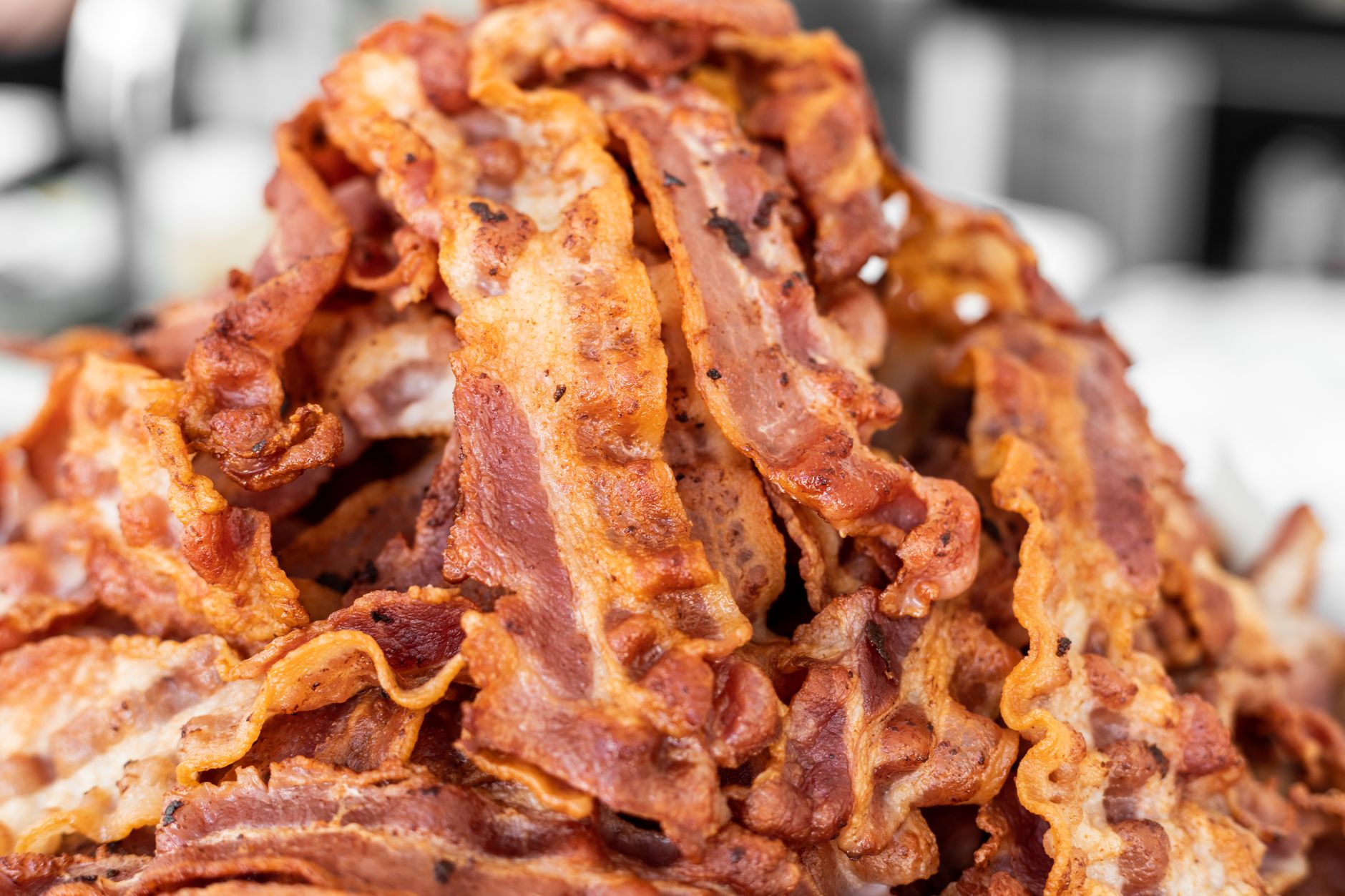
Bacon is a beloved breakfast staple and a popular ingredient in various dishes. However, like any other food product, it can sometimes be subject to recalls due to safety concerns. When a bacon recall occurs, it can raise questions about food safety and consumer health. This guide will address the question of whether there is currently a bacon recall while providing insights into food safety and handling.
Understanding food recalls is essential for consumers to ensure the safety of their meals. In this article, we will outline what a bacon recall means, how recalls happen, and the steps you can take to stay informed and safe while enjoying this delicious ingredient.
Is There A Bacon Recall?
As of now, the answer regarding a bacon recall is subject to change depending on current events and health department announcements. It is important to check reliable sources such as the USDA or the FDA for the most recent updates on food recalls. To obtain the latest information, visit these official sites regularly, as they provide immediate notifications about any recalls.
What Causes a Bacon Recall?
Bacon recalls can occur for a variety of reasons, primarily related to food safety. Here are some common causes:
- Pathogen Contamination: One of the primary reasons for recalls is the presence of harmful bacteria such as Salmonella or Listeria. These pathogens can cause serious illness when consumed and are often associated with improper cooking practices or cross-contamination.
- Undeclared Allergens: Sometimes, bacon products may contain ingredients that are not listed on the label, which can pose a risk for individuals with food allergies.
- Packaging Issues: If bacon is mishandled during packaging, it could lead to incorrect labeling or foreign objects being present in the product.
- Adulteration: This refers to the presence of undeclared or unsafe additives in products, which can result in recalls if they violate food safety regulations.
The Recall Process
The process leading to a bacon recall typically involves several steps:
- Detection: Issues are often identified through routine inspections, consumer complaints, or lab testing.
- Investigation: Once a potential problem is detected, food safety officials investigate to assess the severity and reach of the issue.
- Notification: If a recall is warranted, consumers and retailers will be notified through press releases and official channels, outlining what products are affected and how to respond.
- Response: In many cases, consumers are advised to return the affected products to the place of purchase or to dispose of them safely.
Staying Informed about Bacon Recalls
Staying informed about recalls is vital for consumers. Here are several ways to keep yourself updated:
- Official Websites: Regularly check the USDA Food Safety and Inspection Service (FSIS) and FDA websites for the latest recall announcements.
- Social Media: Follow their official social media accounts where they frequently post updates and relevant information.
- News Outlets: Local and national news stations often report on significant food recalls, including bacon products.
What Should You Do If There’s a Bacon Recall?
If you learn about a bacon recall and suspect you may have purchased the affected product, follow these steps:
- Check Labels: Look for product codes and purchase dates on the bacon packaging to determine if it’s part of the recall.
- Dispose of Affected Products: If your bacon is on the recall list, it’s advisable to discard it or return it to the point of purchase for a refund.
- Keep Records: Save receipts or packaging information in case you need to refer to it later.
Cooking Bacon Safely
To enjoy bacon safely, it’s important to handle and cook it properly. Here are some useful food safety tips:
- Buy Fresh Bacon: Always check the sell-by date and look for any signs of spoilage, such as unusual odor or discoloration.
- Store Bacon Properly: Keep bacon in the refrigerator and consume it before the expiration date. If you won’t use it within a week, consider freezing it.
- Thawing: If frozen, thaw bacon in the refrigerator, not on the counter, to prevent bacteria growth.
- Cook Thoroughly: Cook bacon until it reaches a crispy texture, which typically indicates that it has reached a safe internal temperature.
- Avoid Cross-Contamination: Use separate cutting boards for raw meat and fruits or vegetables and always wash hands, utensils, and surfaces after handling raw bacon.
Bacon Ingredient Guide
When using bacon in your recipes, it’s essential to choose high-quality bacon for the best flavor and texture. Understanding the different types of bacon available can help you select the best fit for various dishes.
Types of Bacon
Here are some popular types of bacon:
- Streaky Bacon: This is the most common type, cut from the belly, offering a good balance of meat and fat that’s ideal for frying or baking.
- Back Bacon: Cut from the loin, this type is leaner than streaky bacon and often referred to as Canadian bacon.
- Pancetta: An Italian cured meat, pancetta is made from pork belly but is not smoked, providing a different flavor profile compared to traditional bacon.
- Turkey Bacon: A healthier alternative to pork bacon, turkey bacon is lower in fat but can lack the same depth of flavor.
- Vegetarian/Vegan Bacon: Made from plant-based ingredients, these alternatives mimic the flavor and texture of traditional bacon, offering options for those who follow vegetarian or vegan diets.
Flavor and Texture
The flavor of bacon can vary significantly depending on how it’s processed. Different curing methods, such as smoking or adding sugar, can impart unique tastes. Consider your dish and choose bacon that complements the other flavors.
Bacon Recipe Ideas
When you have quality bacon on hand, here are a couple of popular recipe ideas to elevate your meals:
1. Candied Bacon
This sweet and salty treat is perfect for brunch or as a snack. The caramelization of sugar brings out the savory flavors of the bacon.
- Ingredients:
- 1 pound of thick-cut bacon
- 1/2 cup brown sugar
- 1/4 cup maple syrup
- 1 teaspoon black pepper (optional)
Method:
- Preheat the oven to 375°F (190°C) and line a baking sheet with parchment paper.
- In a bowl, mix brown sugar, maple syrup, and black pepper.
- Coat the bacon in the sugar mixture and lay the strips on the baking sheet.
- Bake for 15-20 minutes or until the bacon is caramelized and crispy.
2. Million Dollar Bacon
This recipe frames bacon in a luxurious, addictive glaze that’s perfect for serving at brunch or as a satisfying appetizer.
- Ingredients:
- 1 pound of thick-cut bacon
- 1/2 cup brown sugar
- 1/4 cup crushed red pepper flakes
- 1/4 cup maple syrup
- 1 tablespoon black pepper
Method:
- Preheat the oven to 350°F (175°C) and line a baking sheet with aluminum foil.
- Mix the sugars, pepper flakes, and maple syrup to form a glaze.
- Brush the mixture onto each bacon slice and lay it on the prepared sheet.
- Bake for 25-30 minutes or until glossy and crispy, flipping halfway through.
Common Mistakes with Bacon
There are a few mistakes that both novice and experienced cooks can make when working with bacon:
- Overcrowding the Pan: When cooking on the stovetop, avoid overcrowding the pan, as this can lead to uneven cooking and steaming instead of crisping.
- Not Using a Food Thermometer: For safety, ensure bacon is cooked to the right temperature. A thermometer can help check doneness without guesswork.
- Disregarding Storage Guidelines: Always follow guidelines for how long to store opened bacon in the fridge or freezer to prevent spoilage.
Storage and Reheating Guidance
Correct storage and reheating practices are essential to ensure your bacon remains safe to eat:
- Refrigeration: Unopened bacon can typically last up to two weeks in the fridge; opened bacon should be used within one week.
- Freezing: Bacon can be frozen for up to six months. Wrap it tightly in aluminum foil or use a freezer bag to prevent freezer burn.
- Reheating: When reheating cooked bacon, do so in a skillet over medium heat or in the microwave in short intervals to avoid overcooking.
Conclusion
Bacon recalls happen and can affect food safety for consumers. Staying informed and practicing safe handling of bacon can help you enjoy this flavorful ingredient while minimizing health risks. Always check for recalls and follow food safety guidelines to ensure a delicious and safe bacon experience.
Explore related recipes, cooking tips, or food guides, such as making candied bacon or learning how to concoct million dollar bacon for your next meal! Stay safe and savor every bite of your bacon dishes.